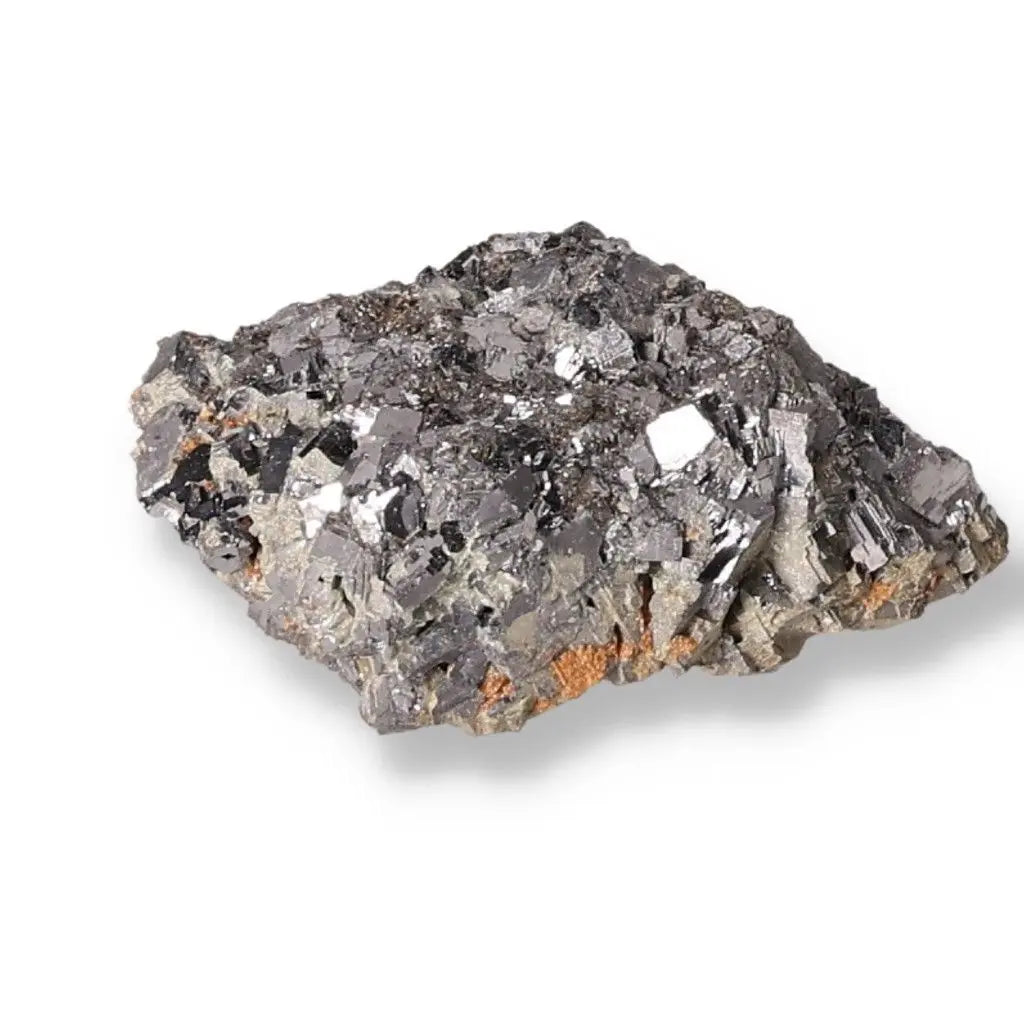
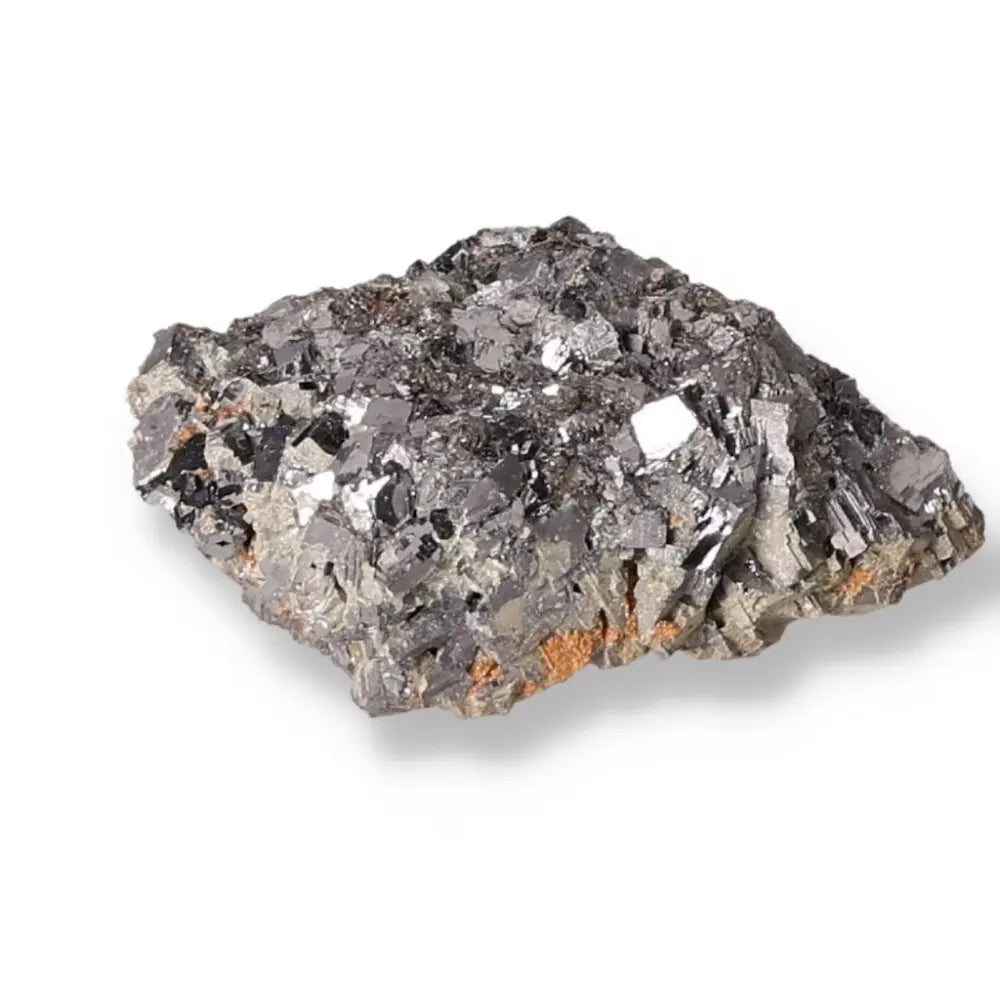
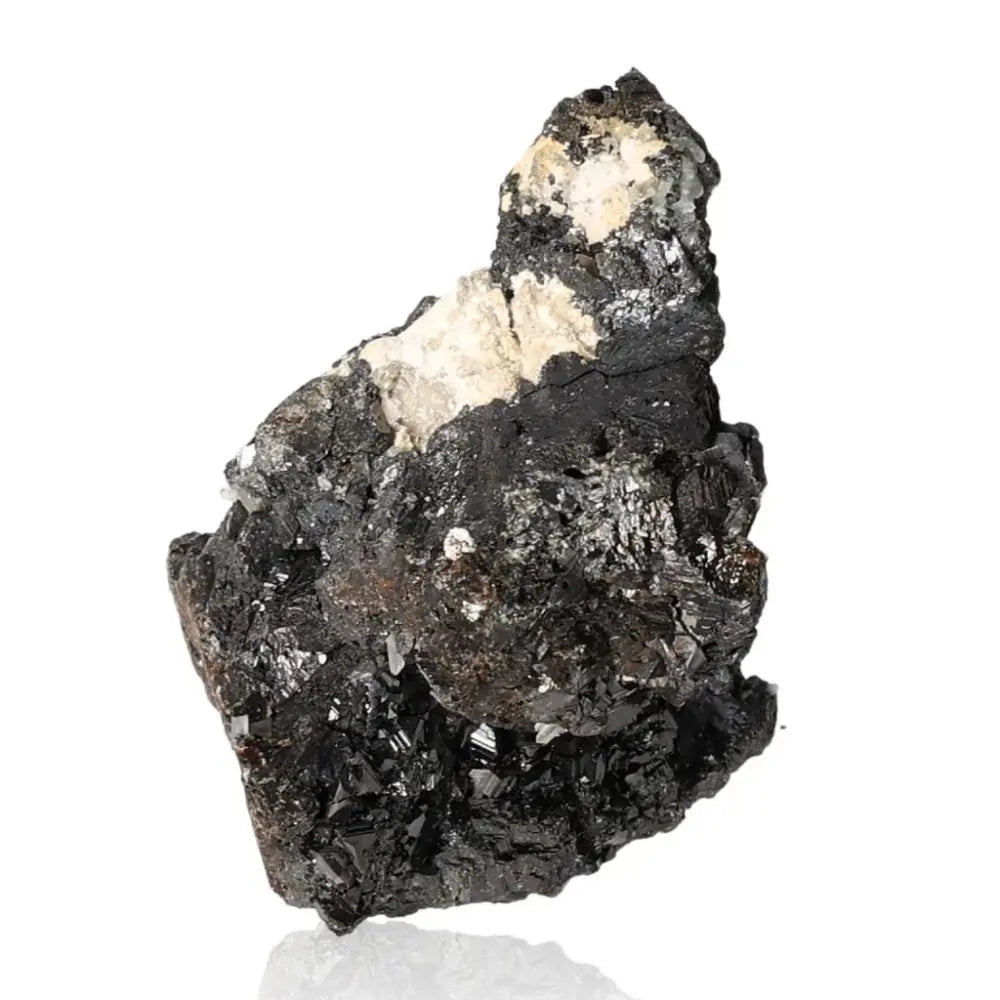
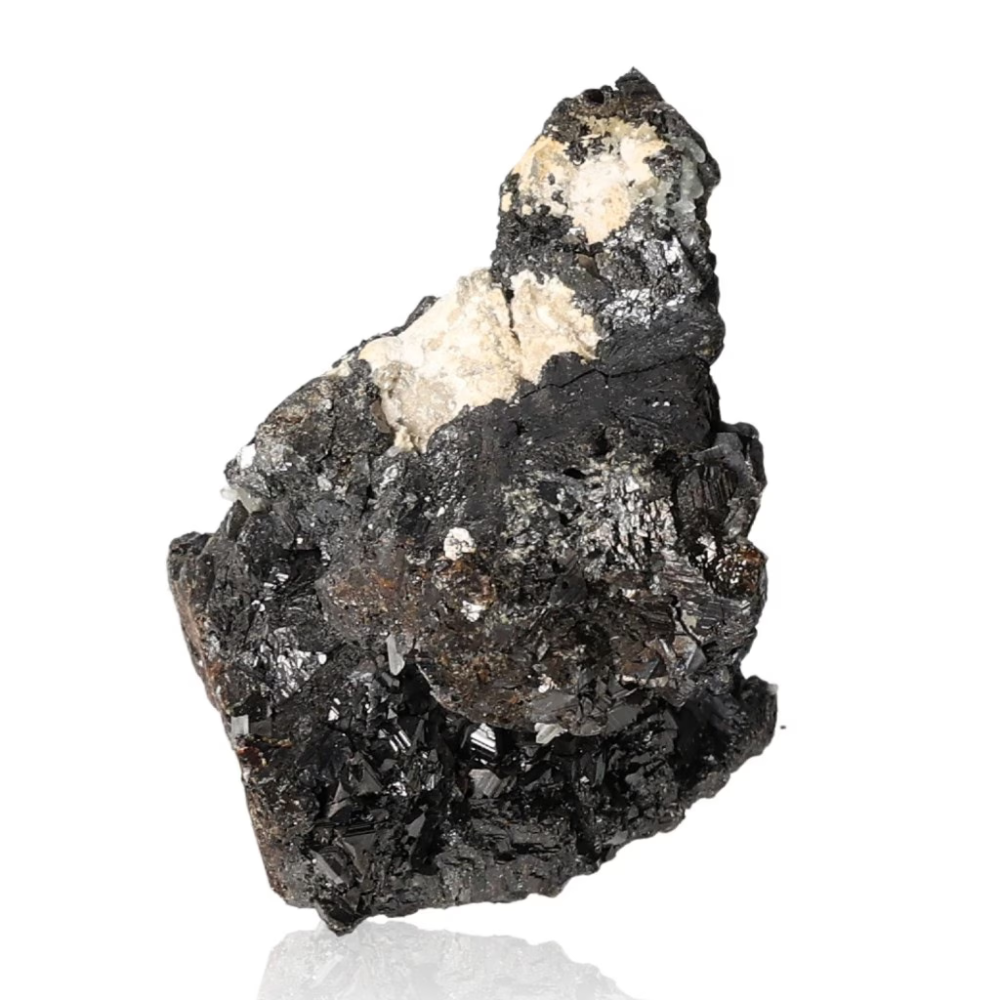
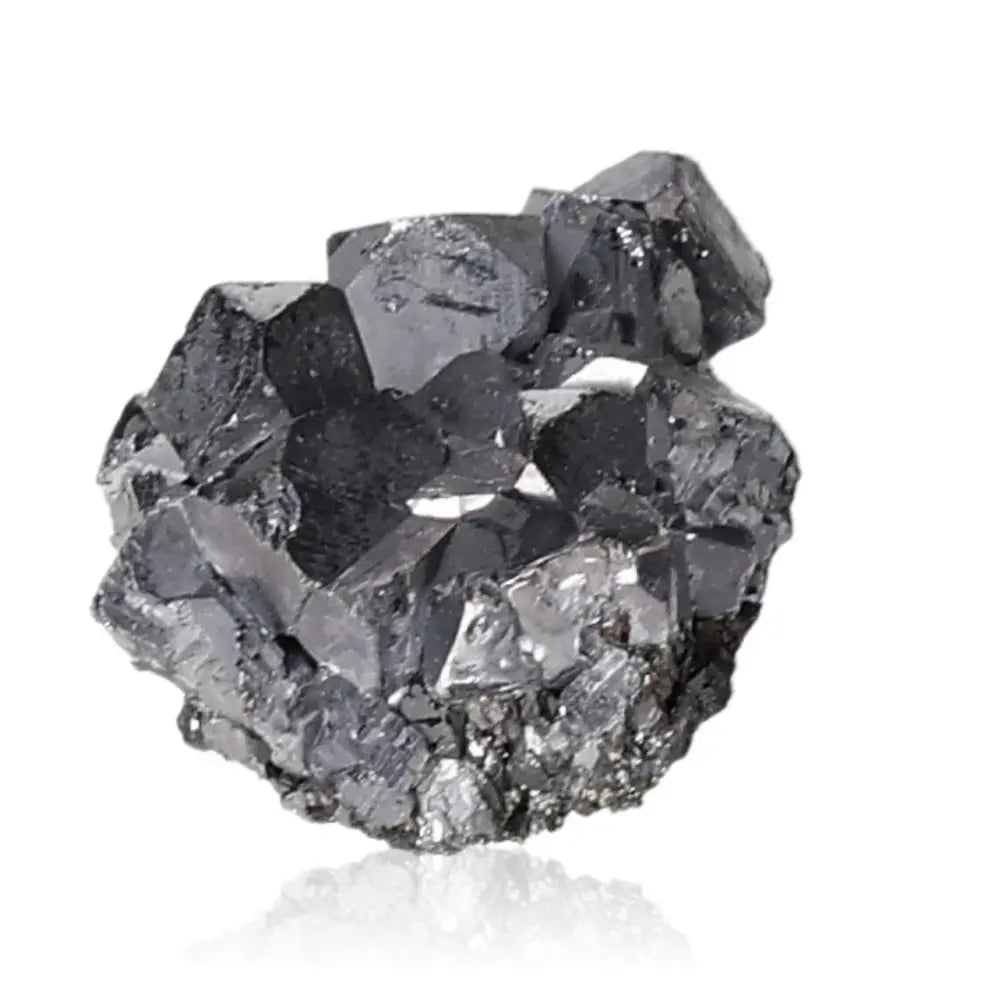
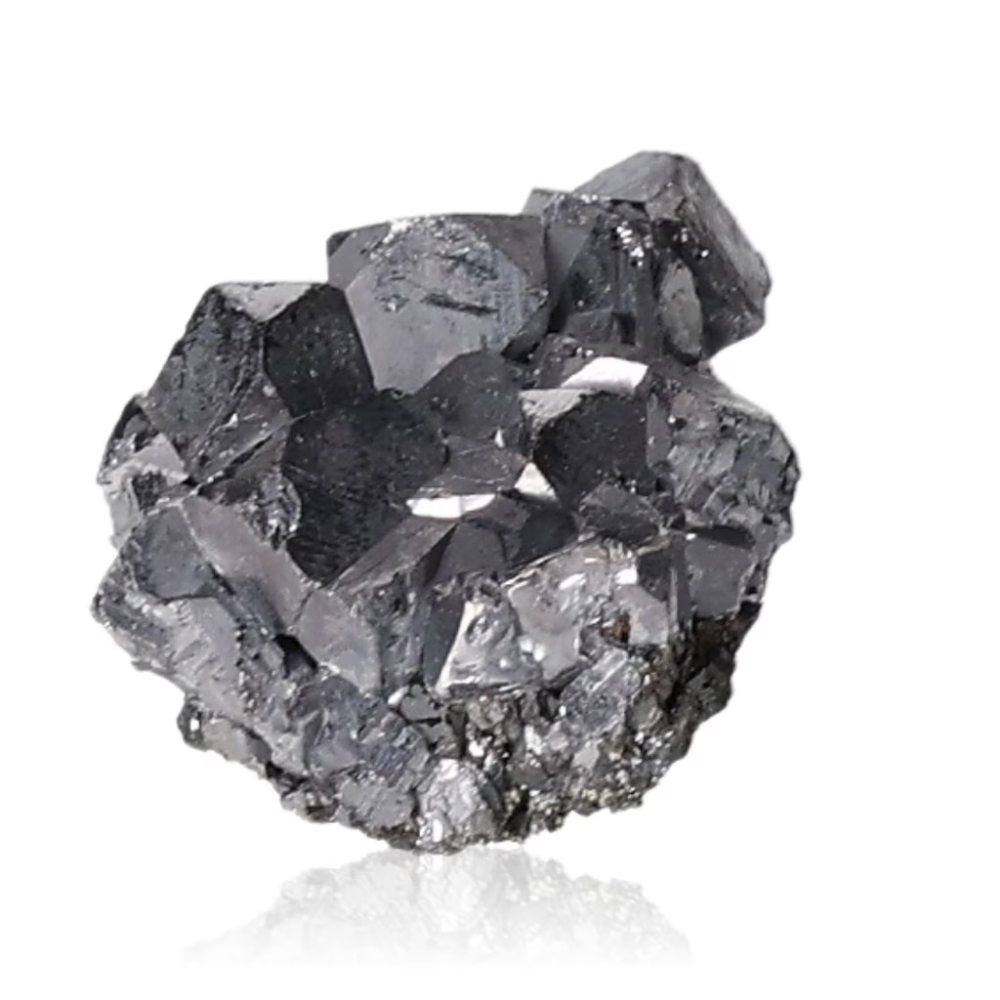
Galena
& Metallic Stone Varieties
PICK YOUR FORM:
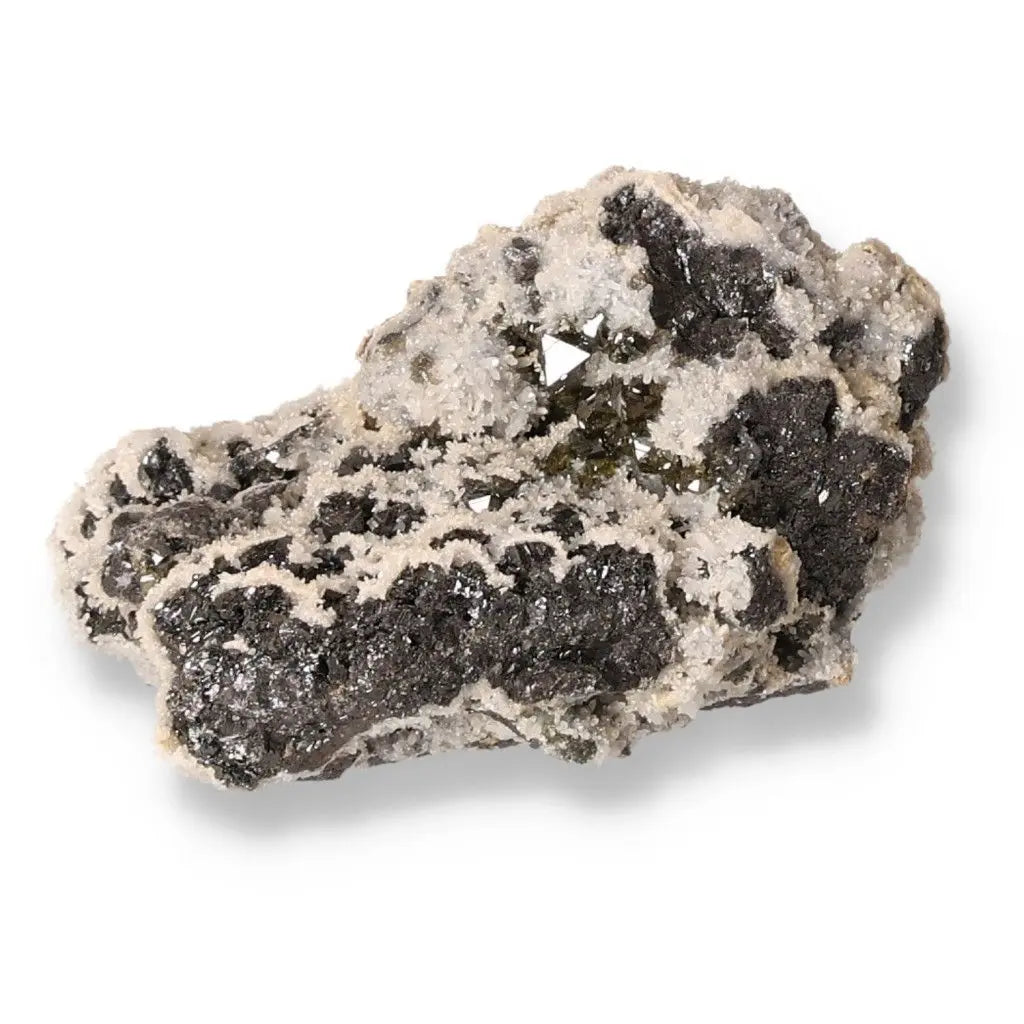
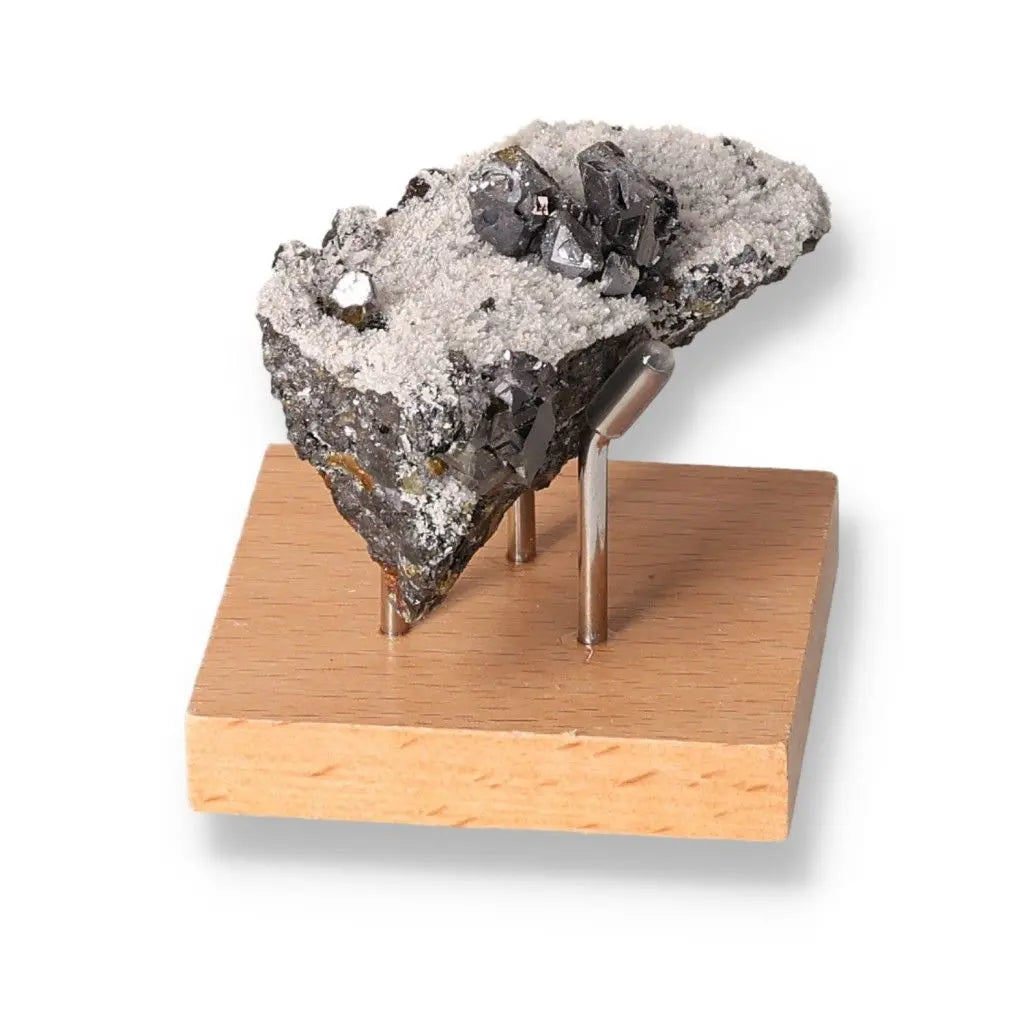
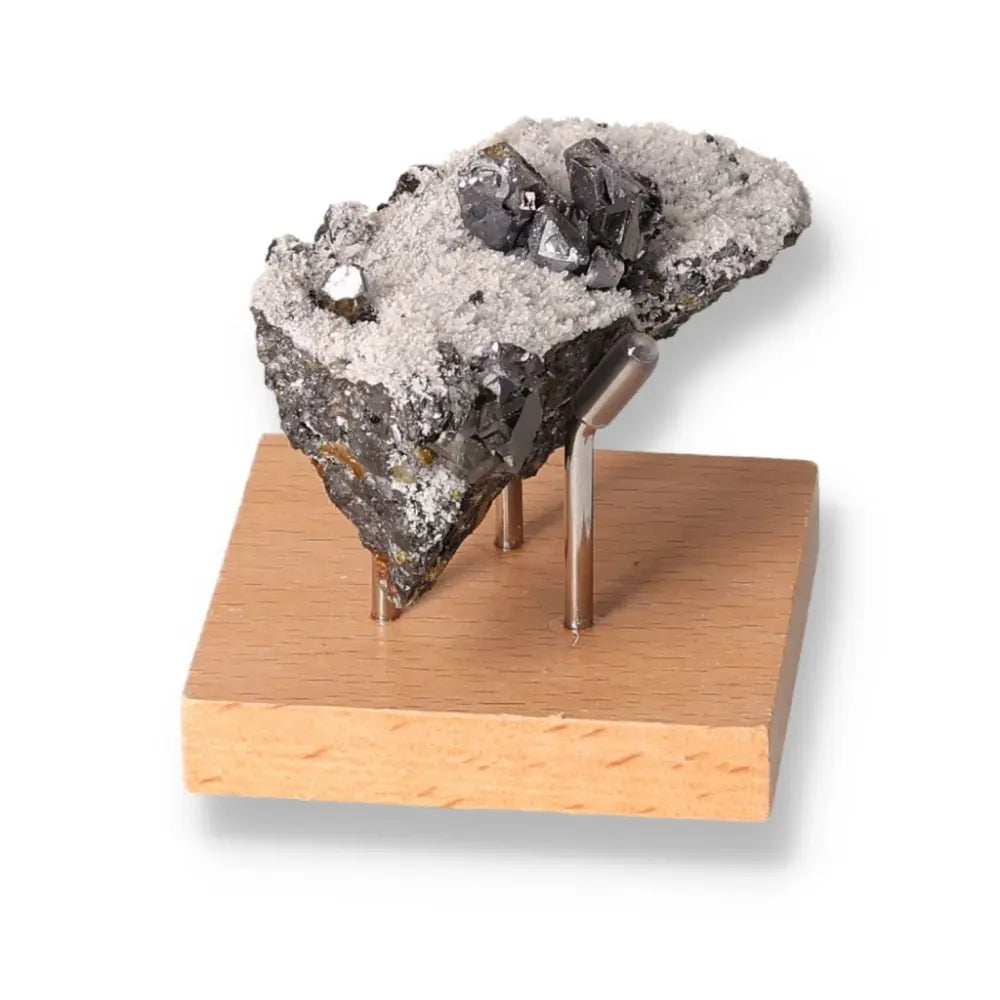
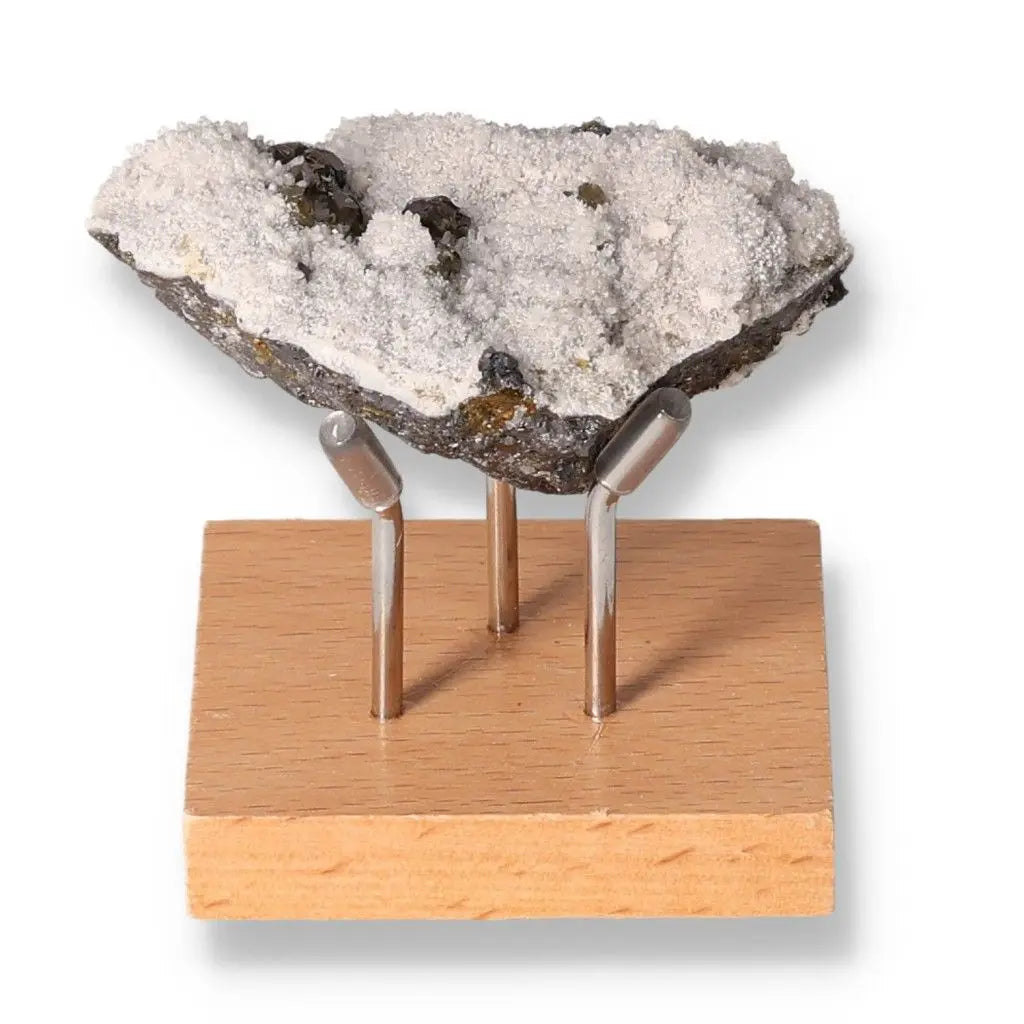
GALENA MINERAL COMBINATIONS
Galena: Everything You Need to Know
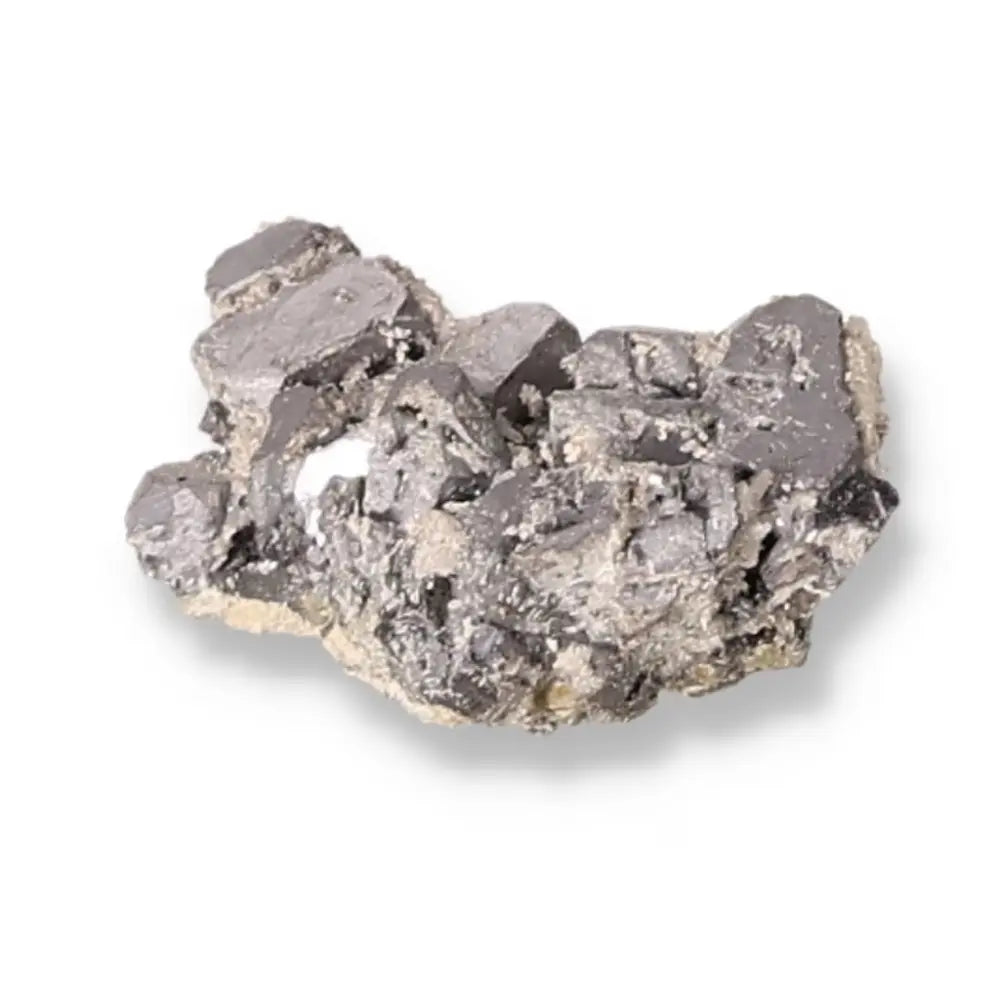
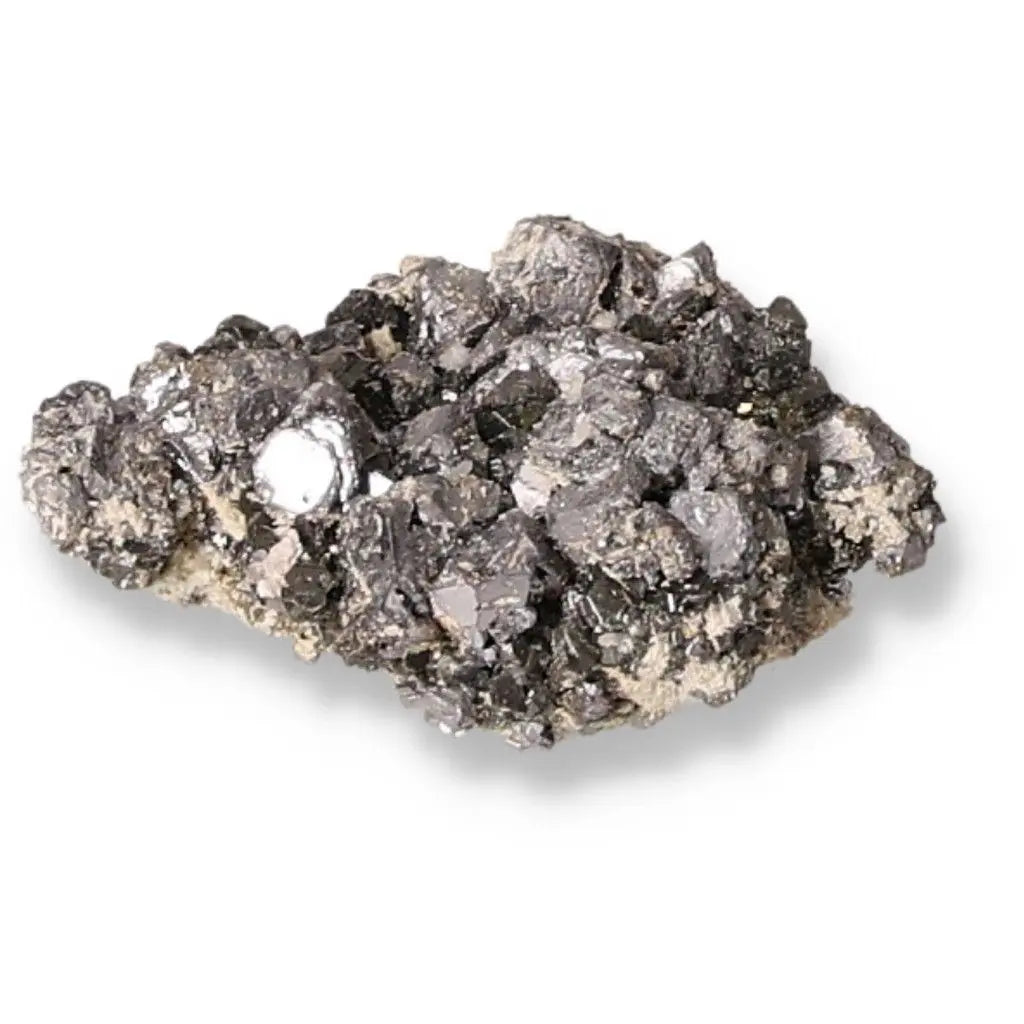
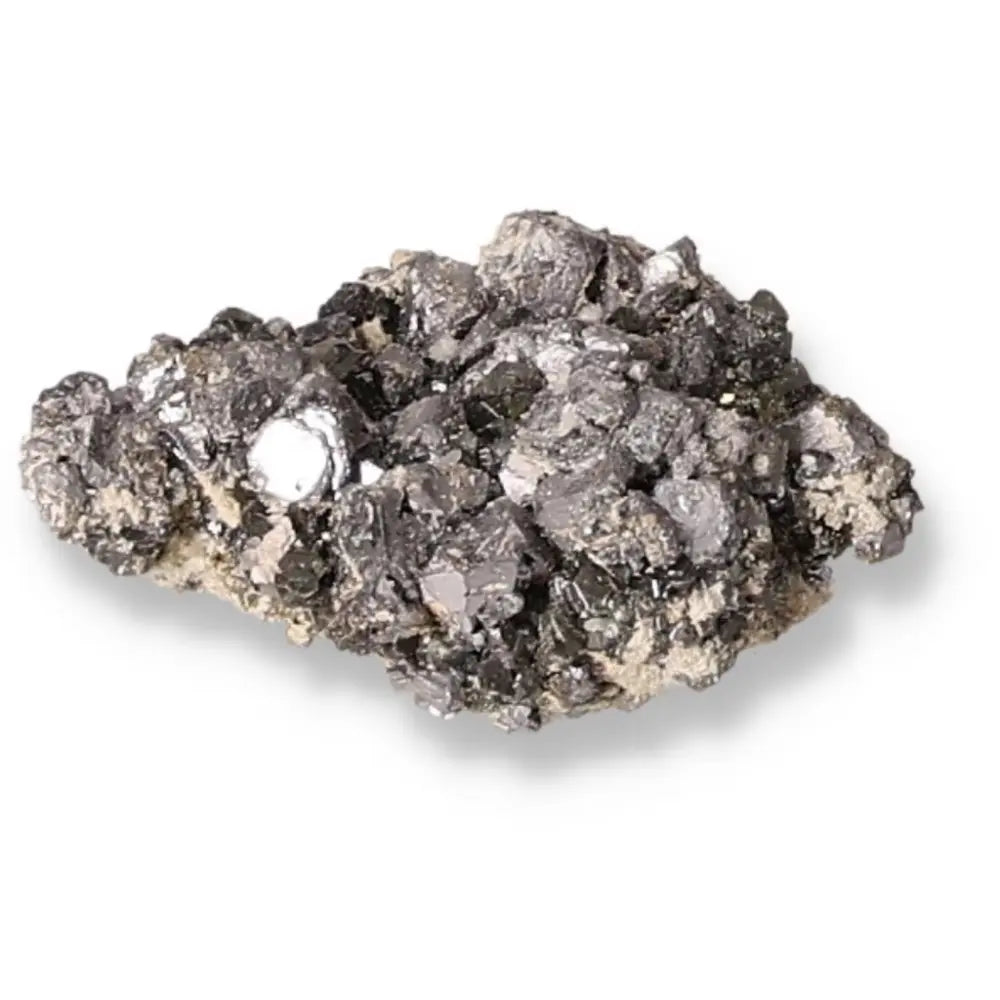
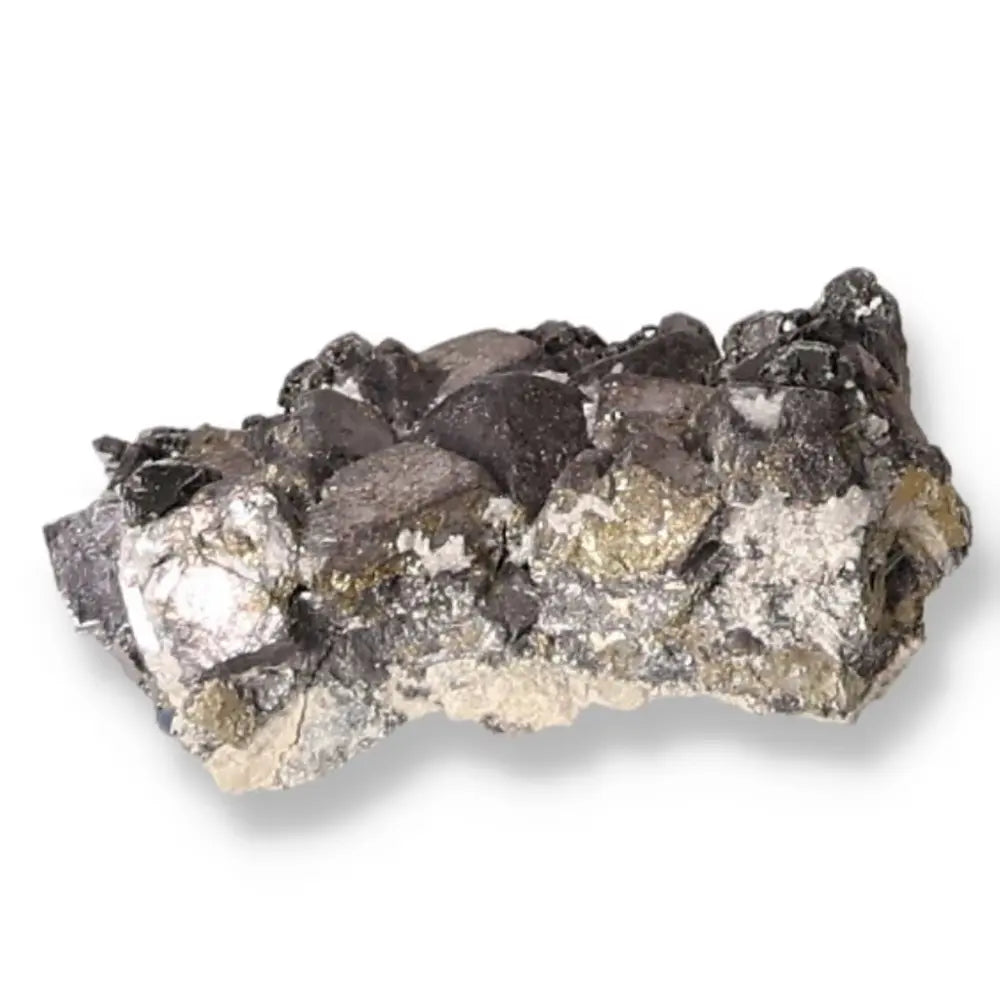
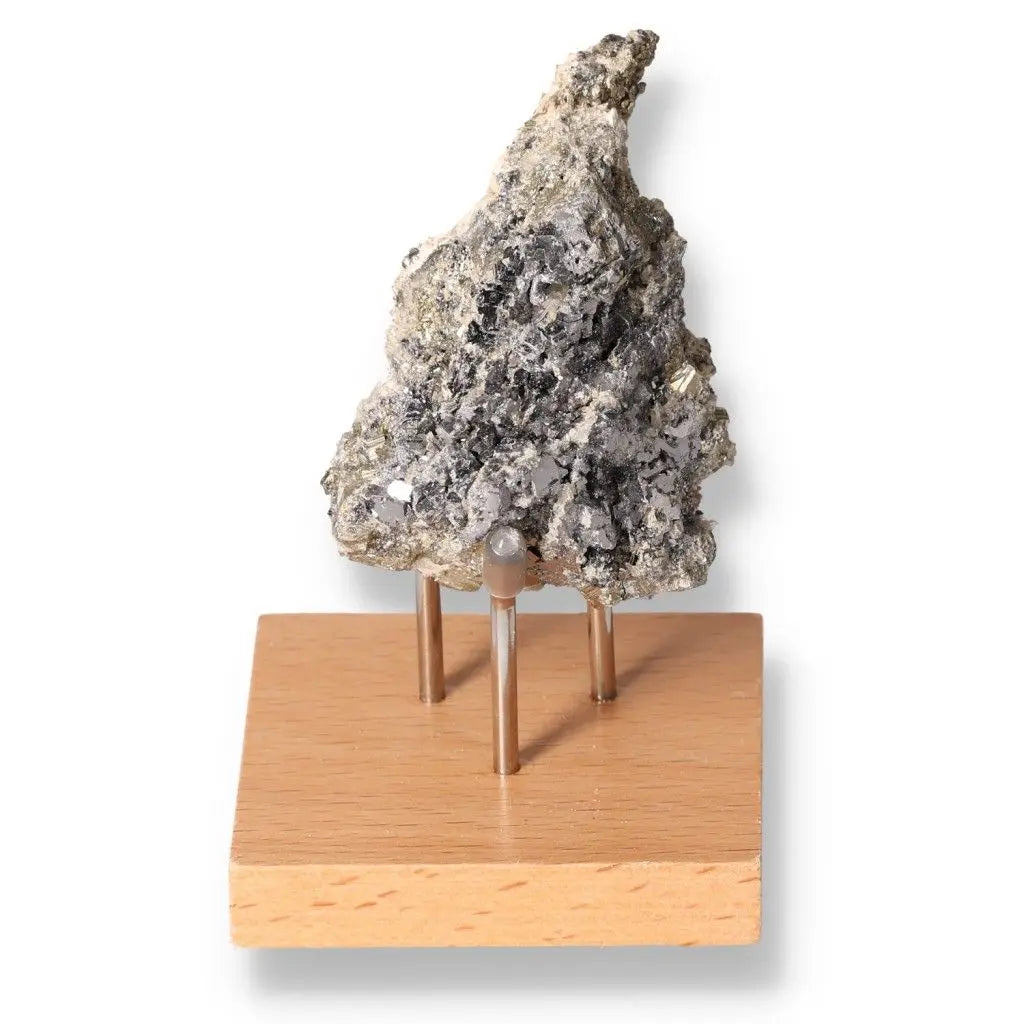
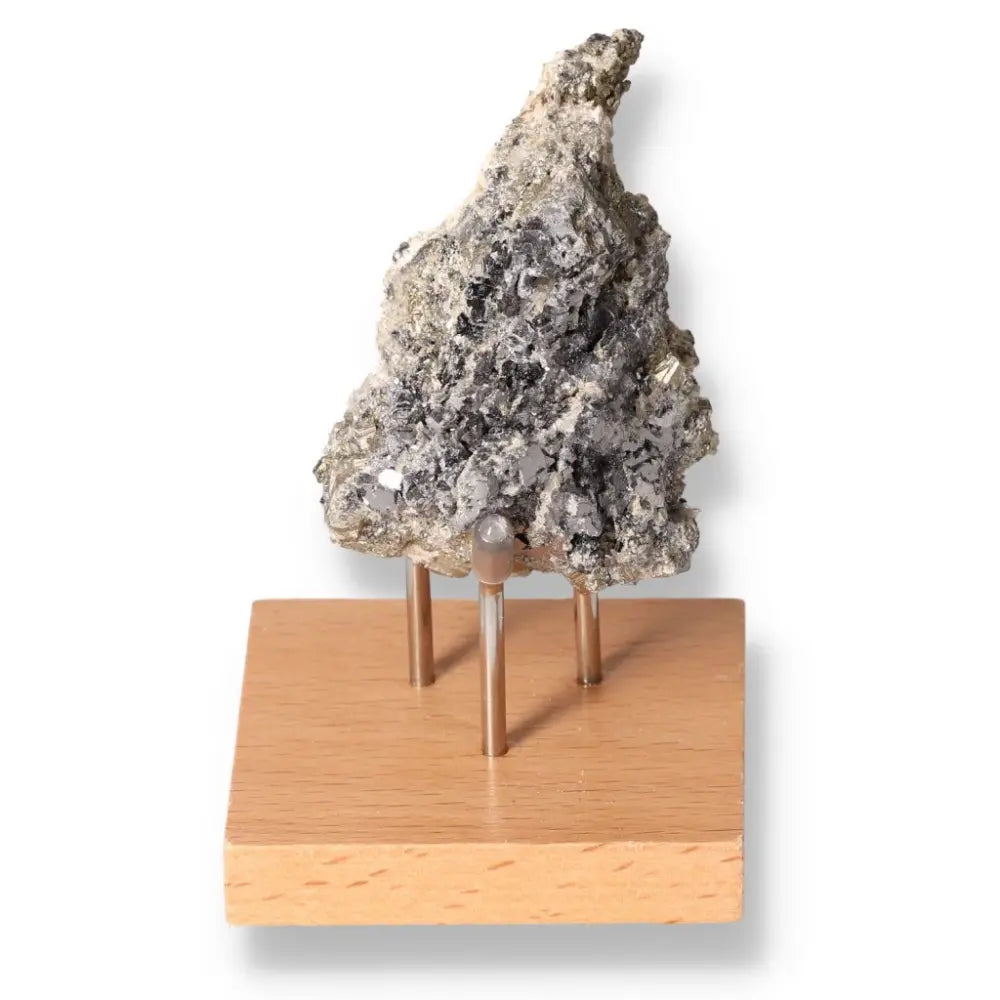
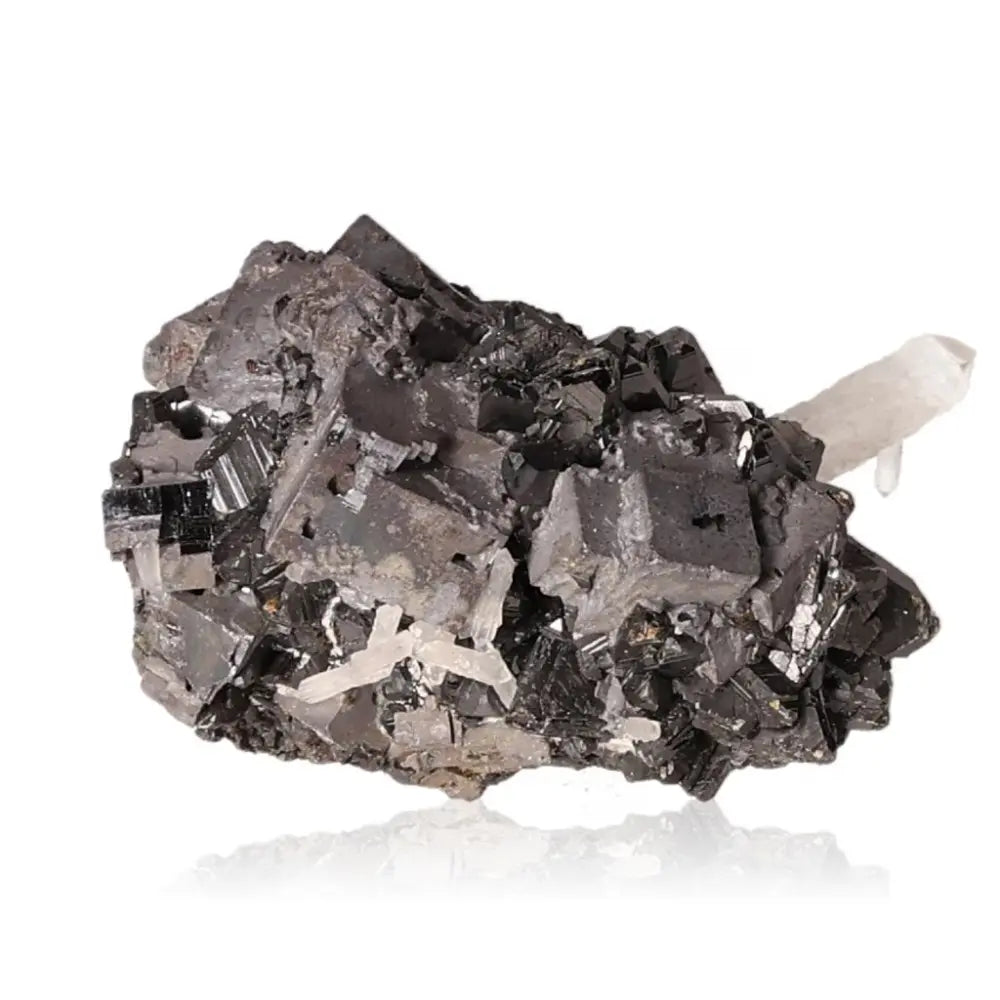
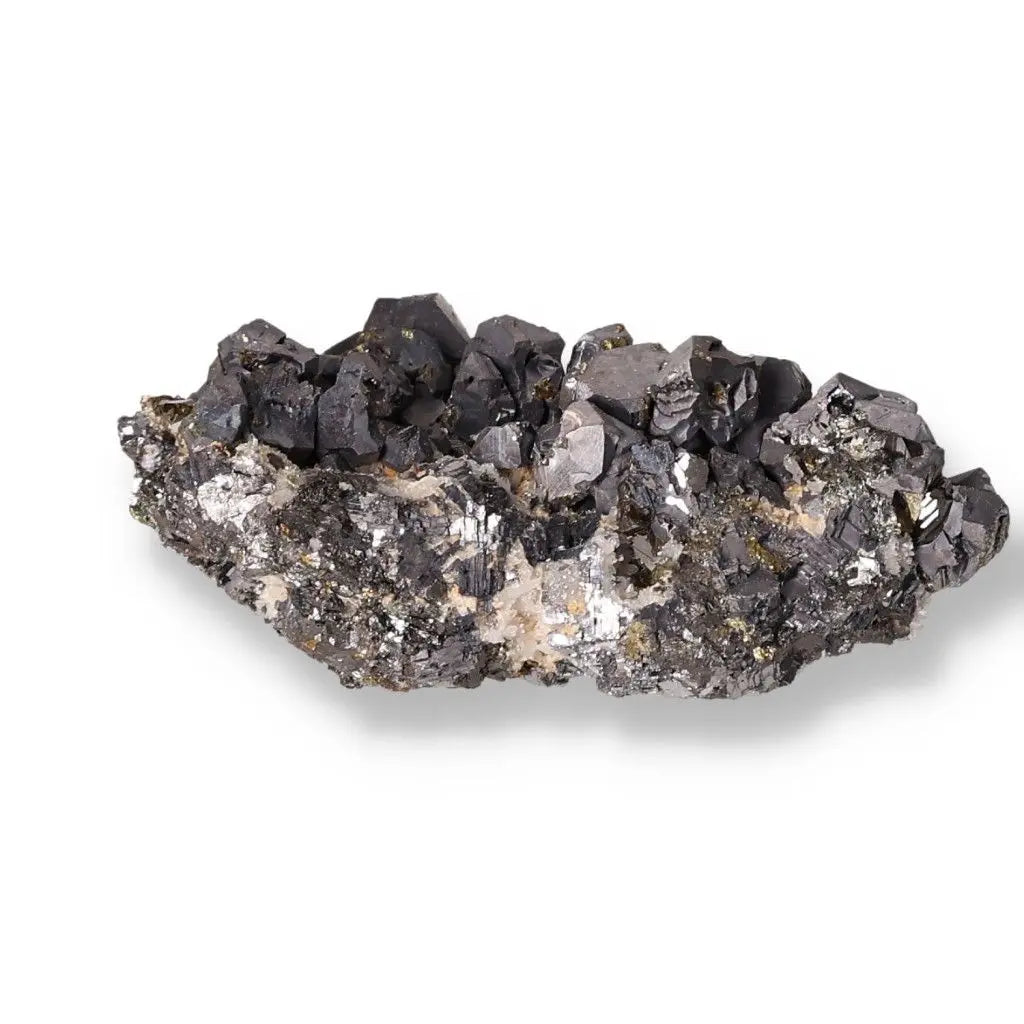
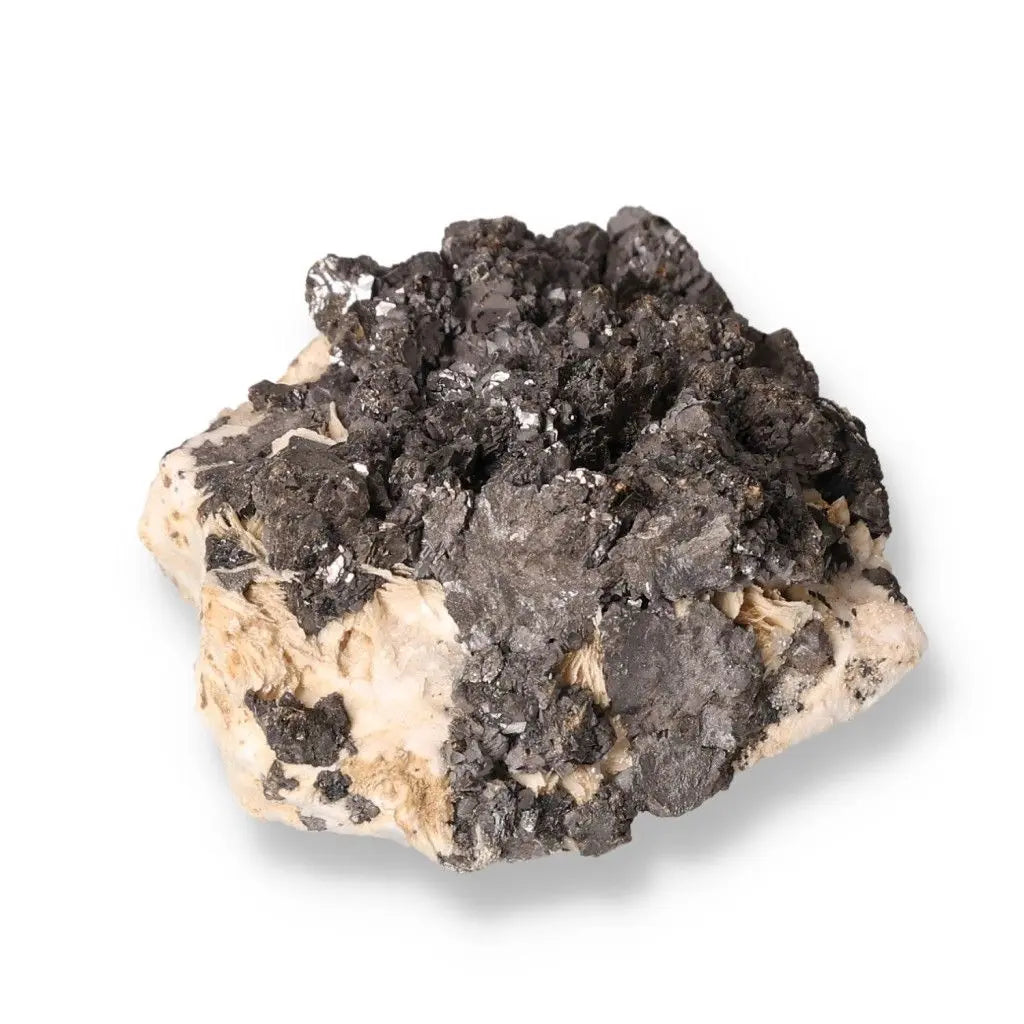
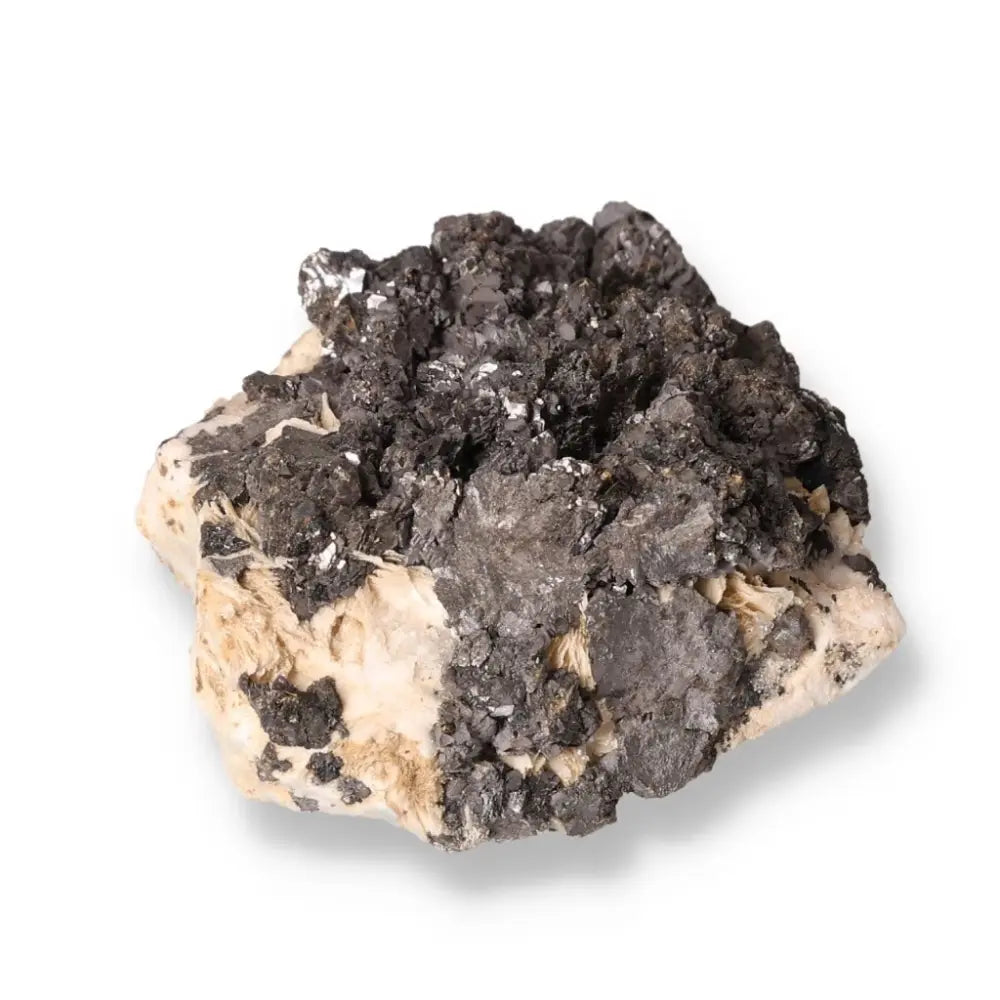
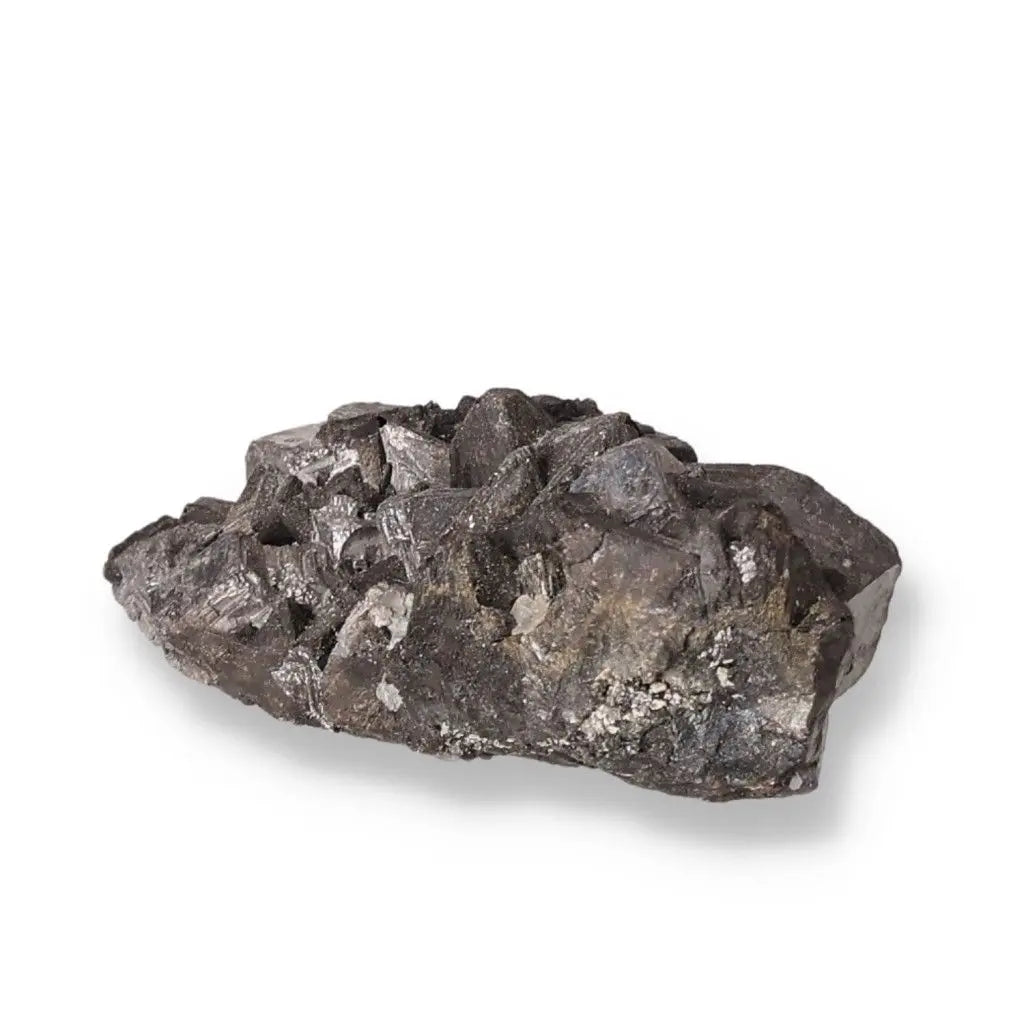
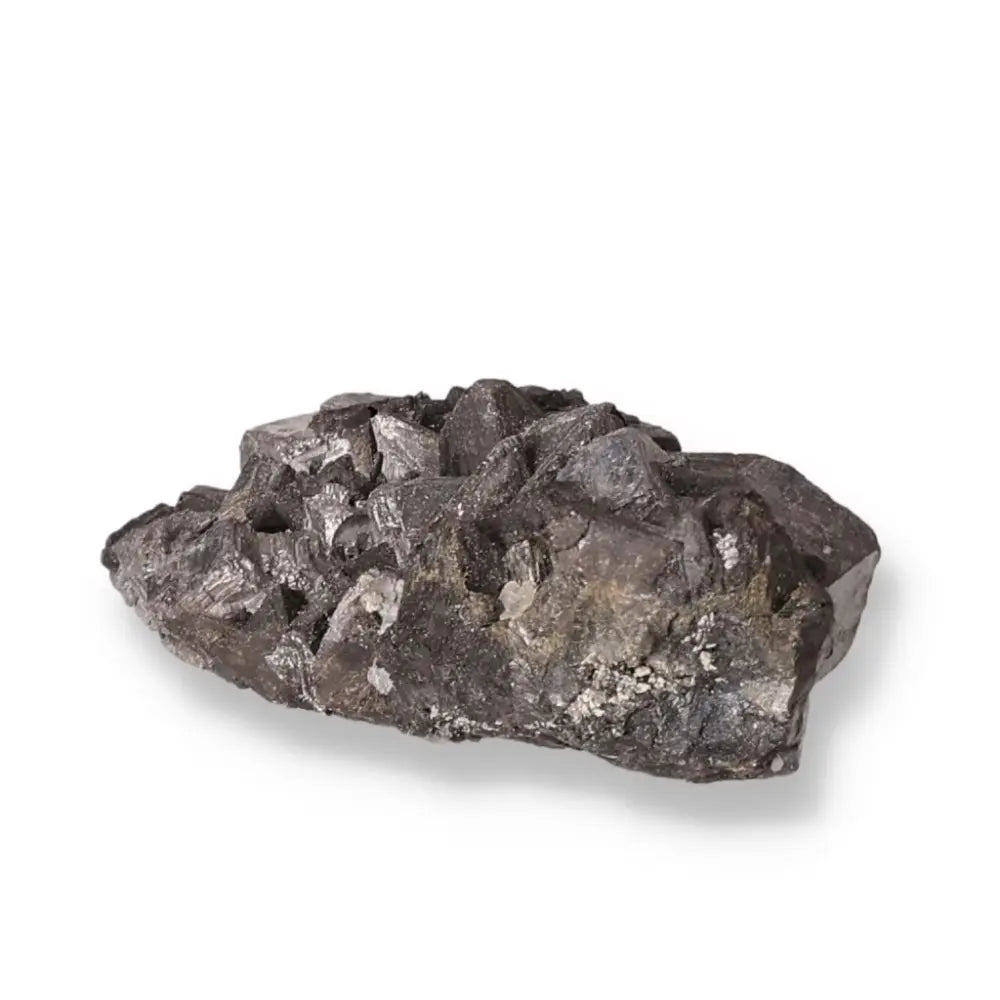
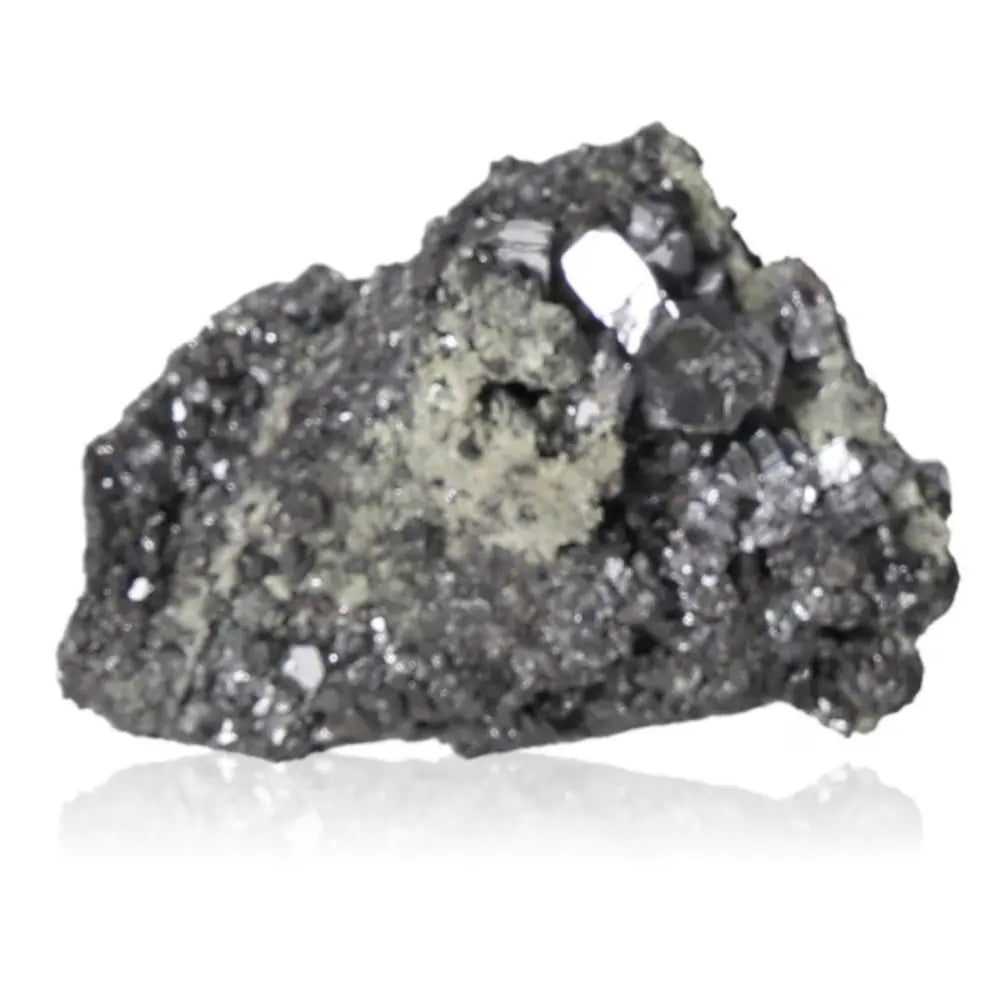
Galena is a fascinating lead sulfide mineral, instantly recognizable by its striking silvery-metallic luster and characteristic cubic crystal structure. As the world's most important source of lead, galena has been mined and used by humans for thousands of years — from ancient Egyptian eye makeup (kohl) to Roman water pipes. As a stone, it has long been regarded as a grounding and protective mineral — believed to bring balance, focus, and a sense of stability, while symbolizing a deep connection with the earth.
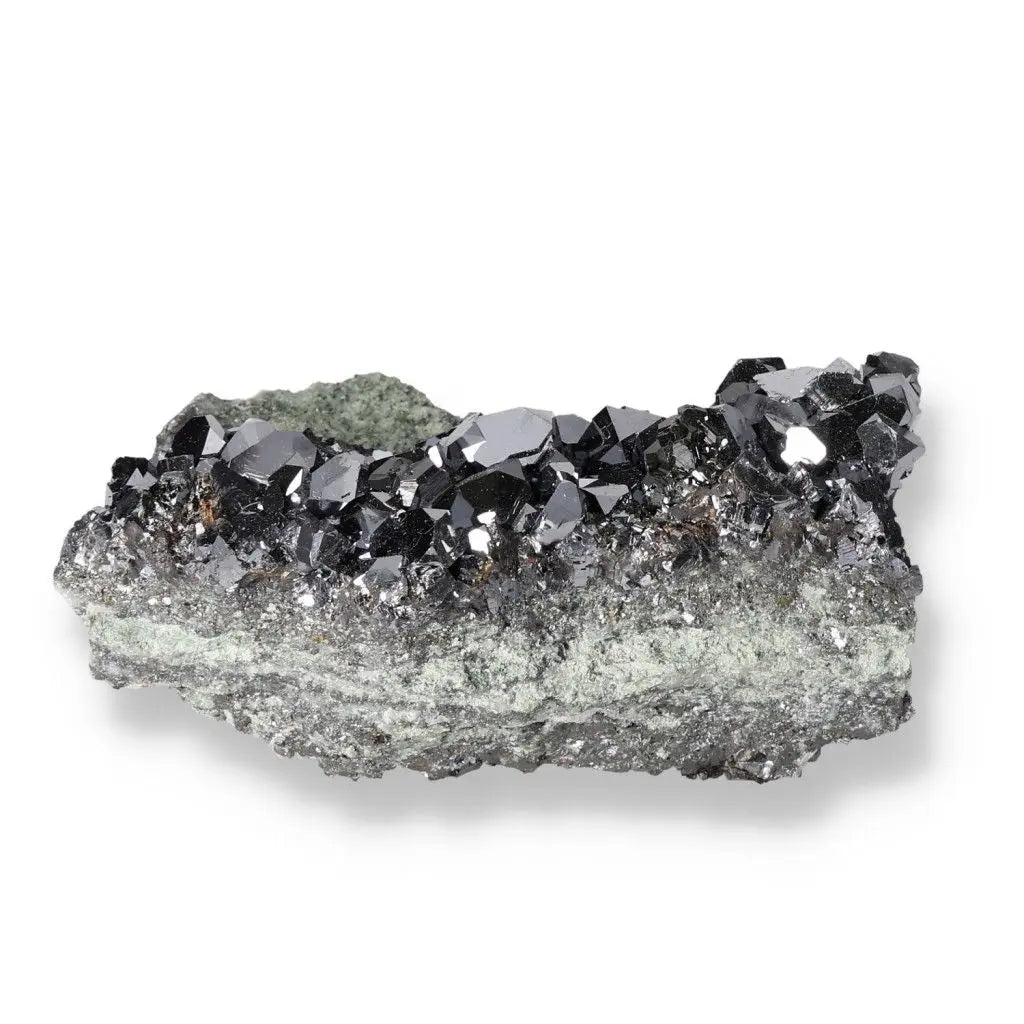
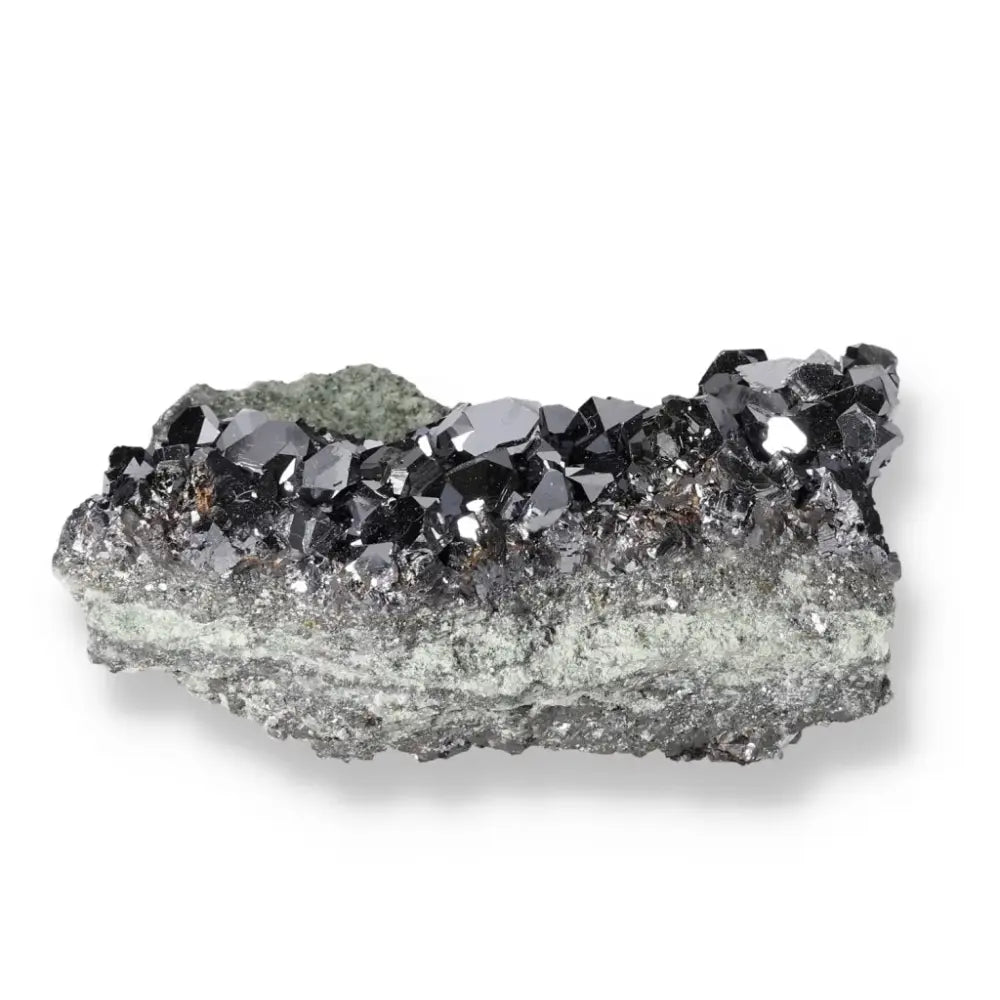
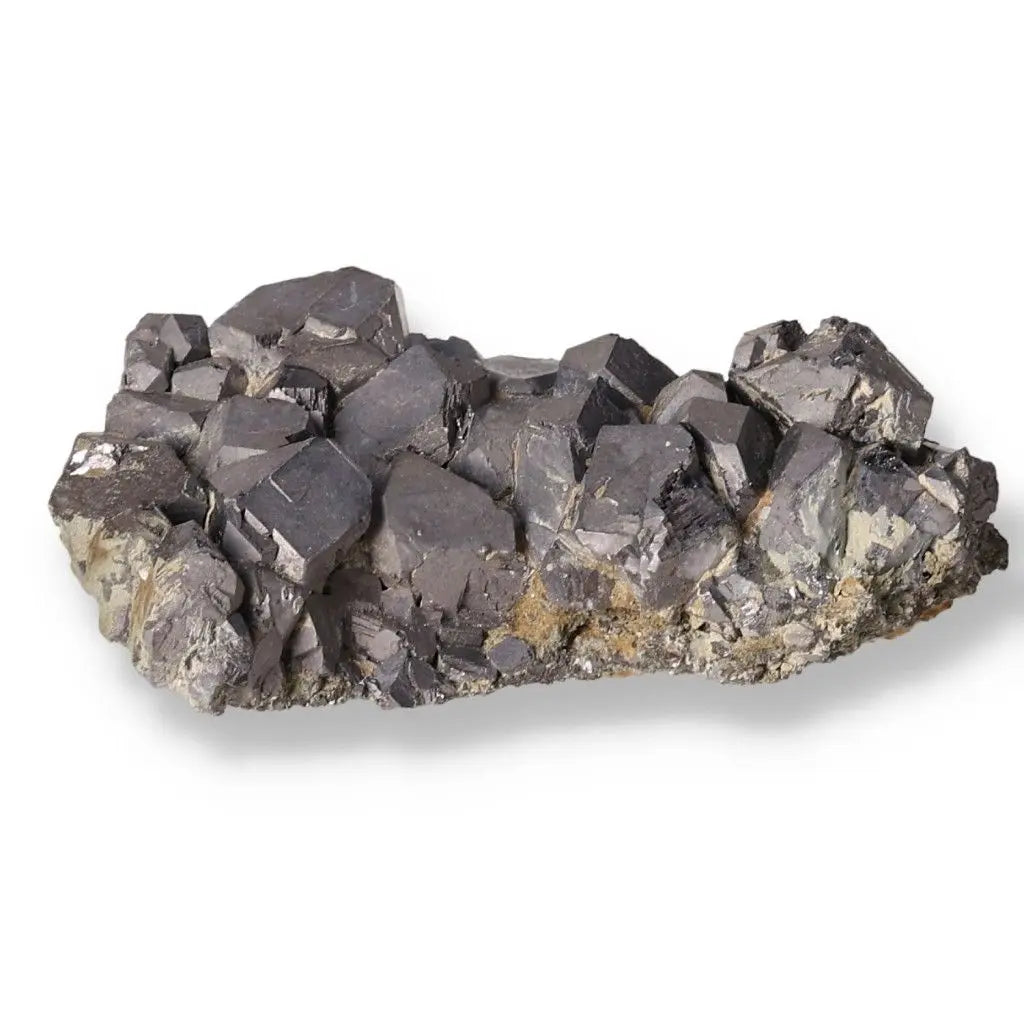
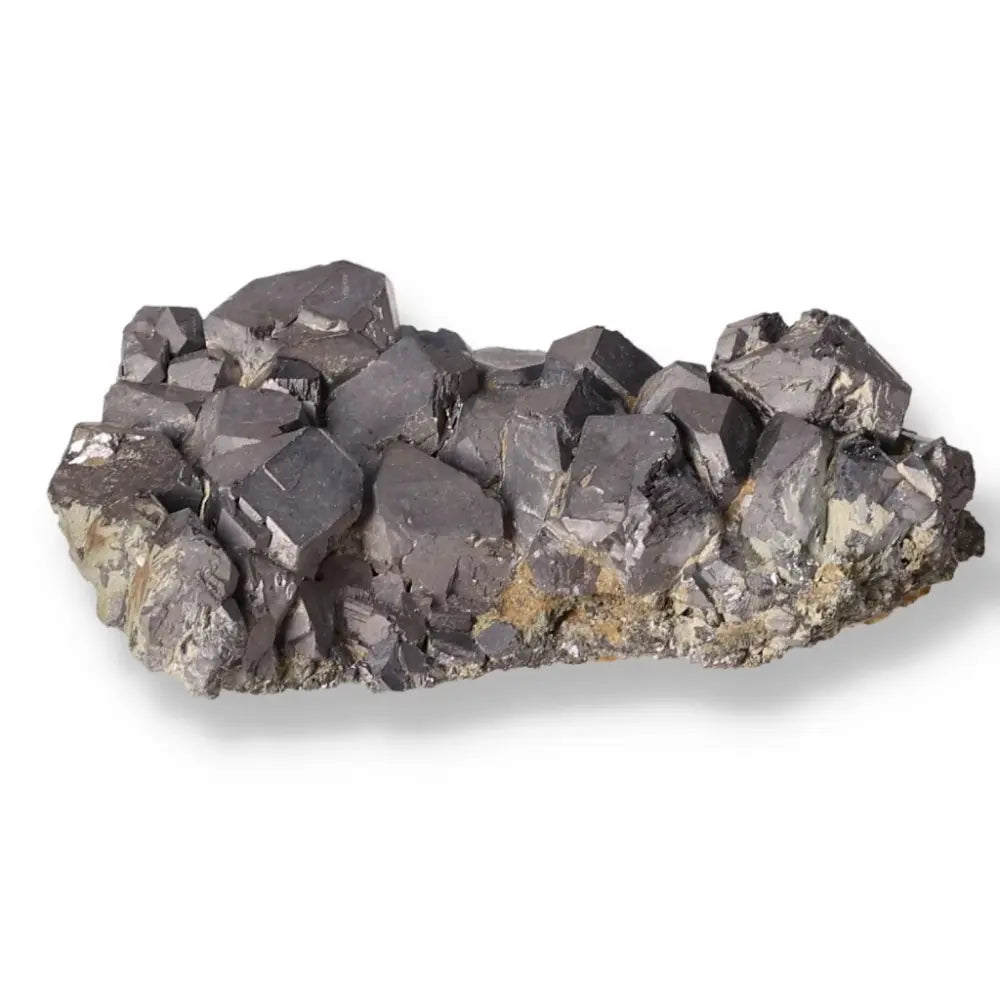
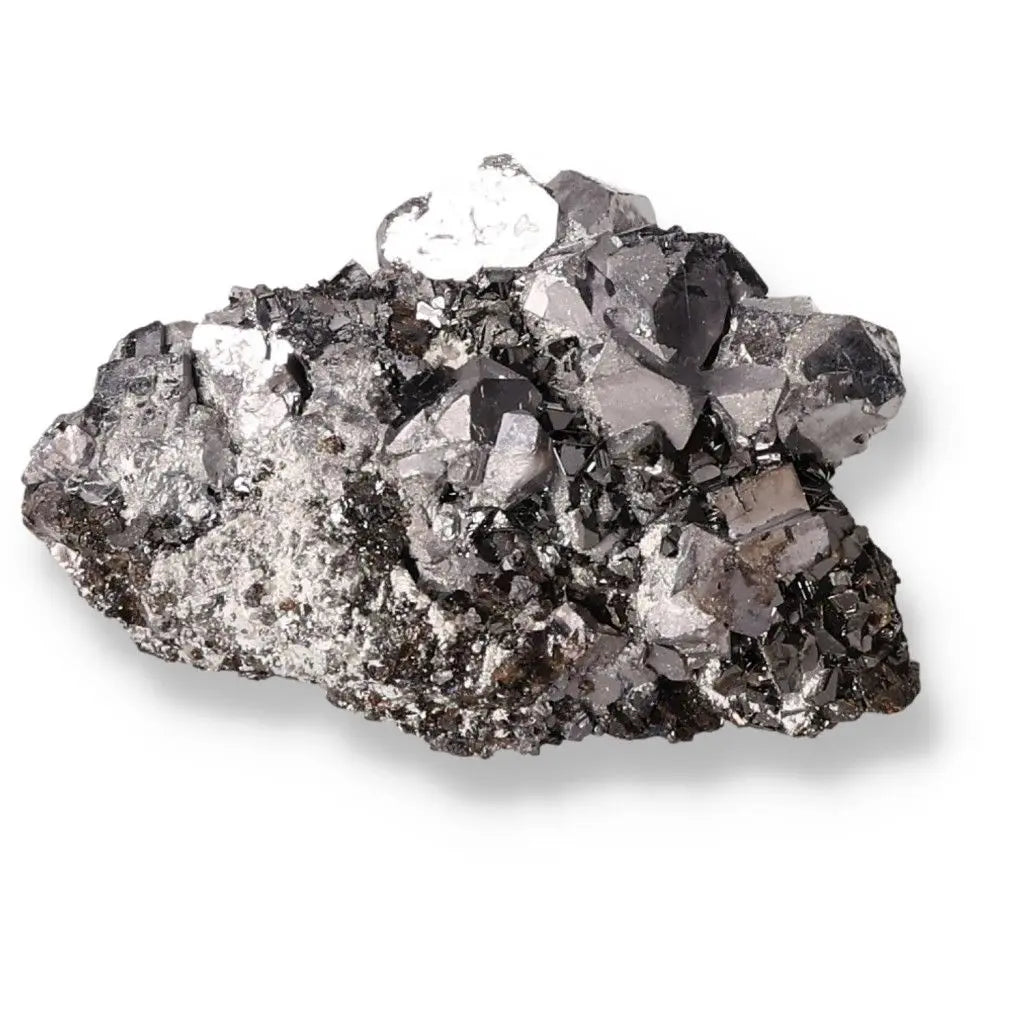
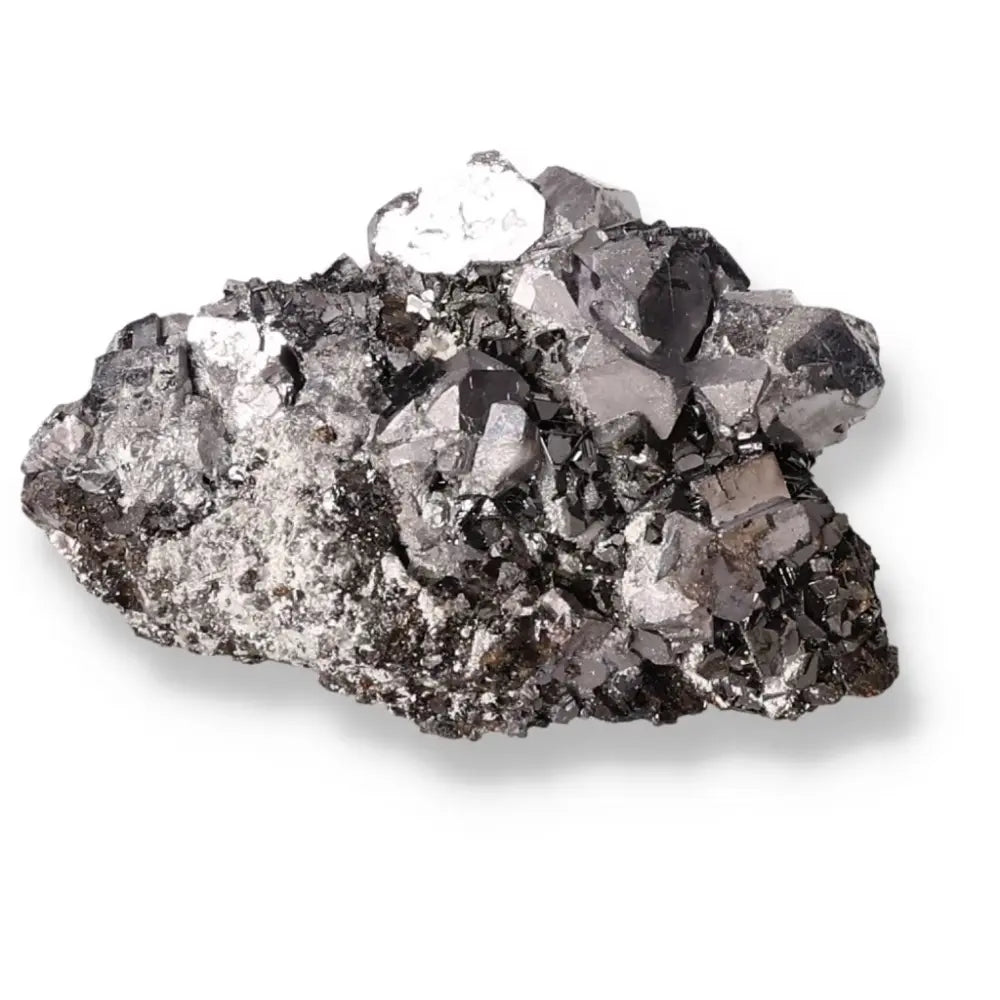
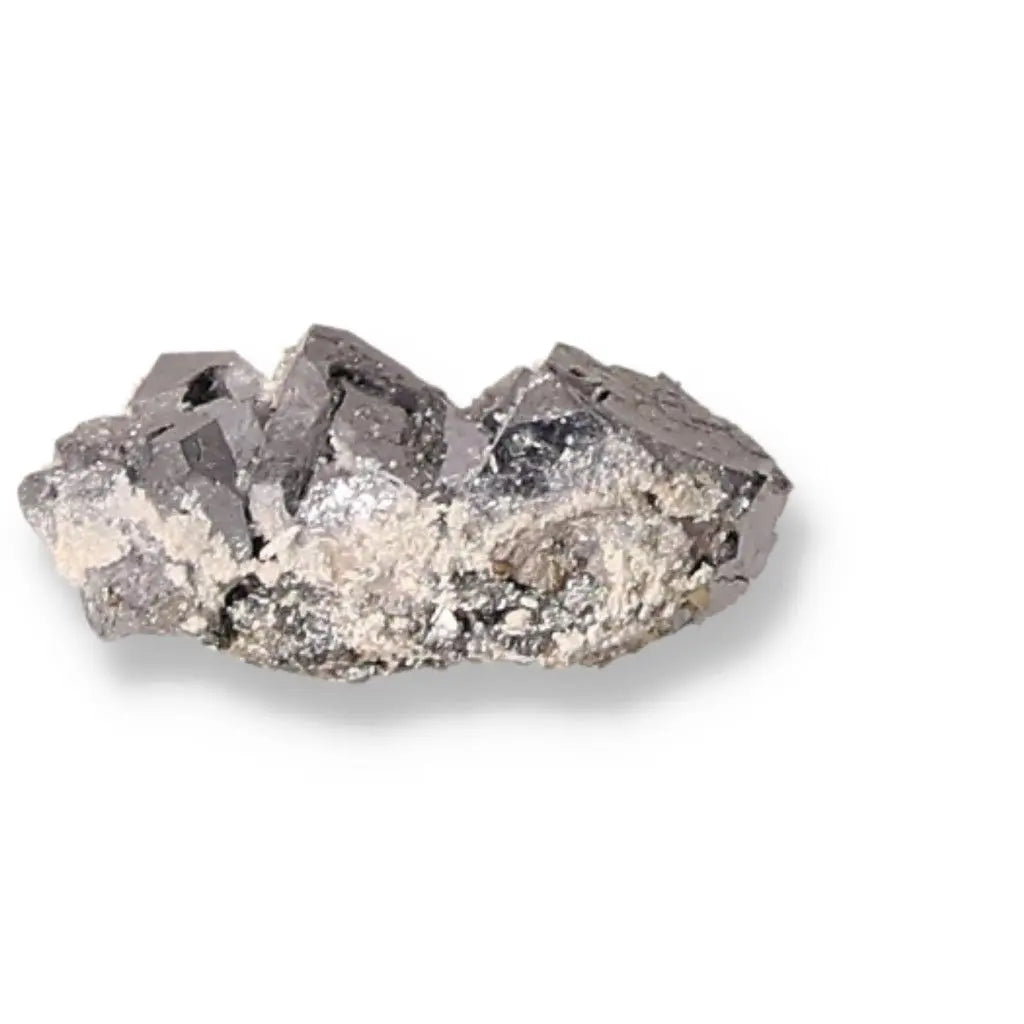
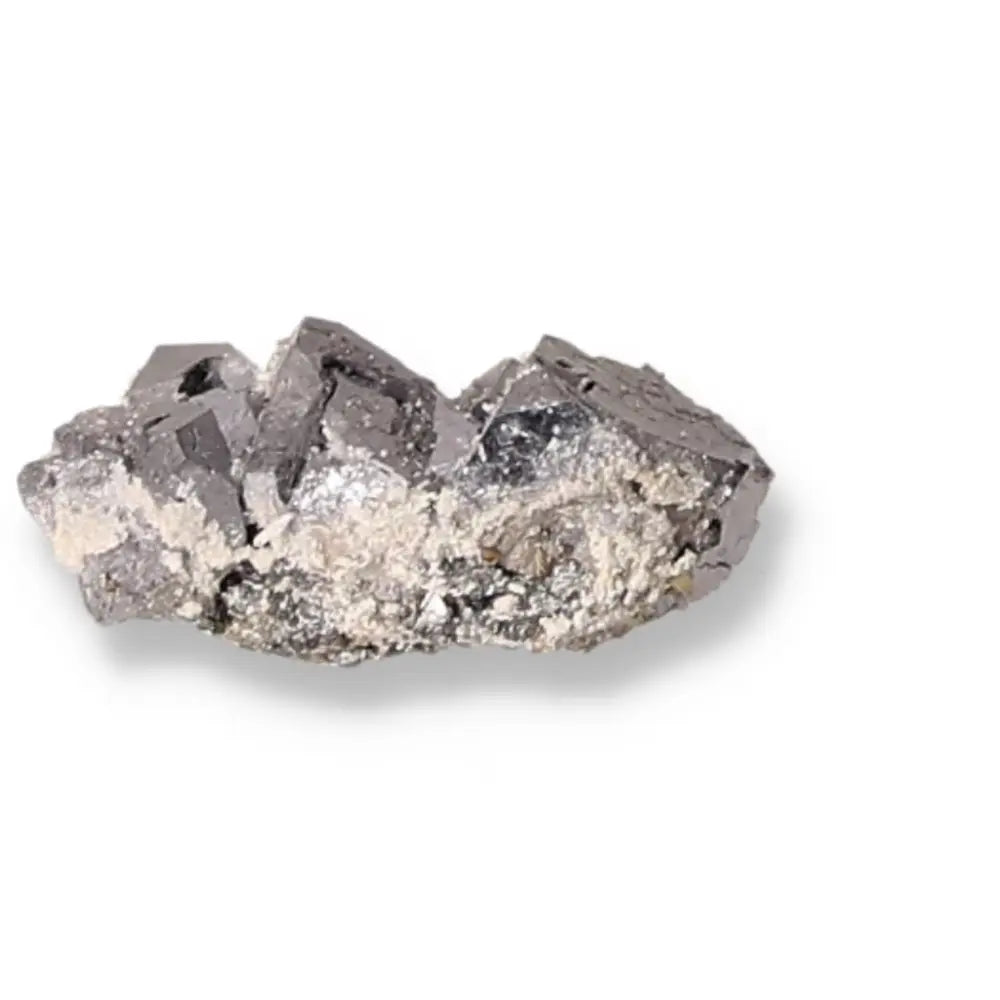
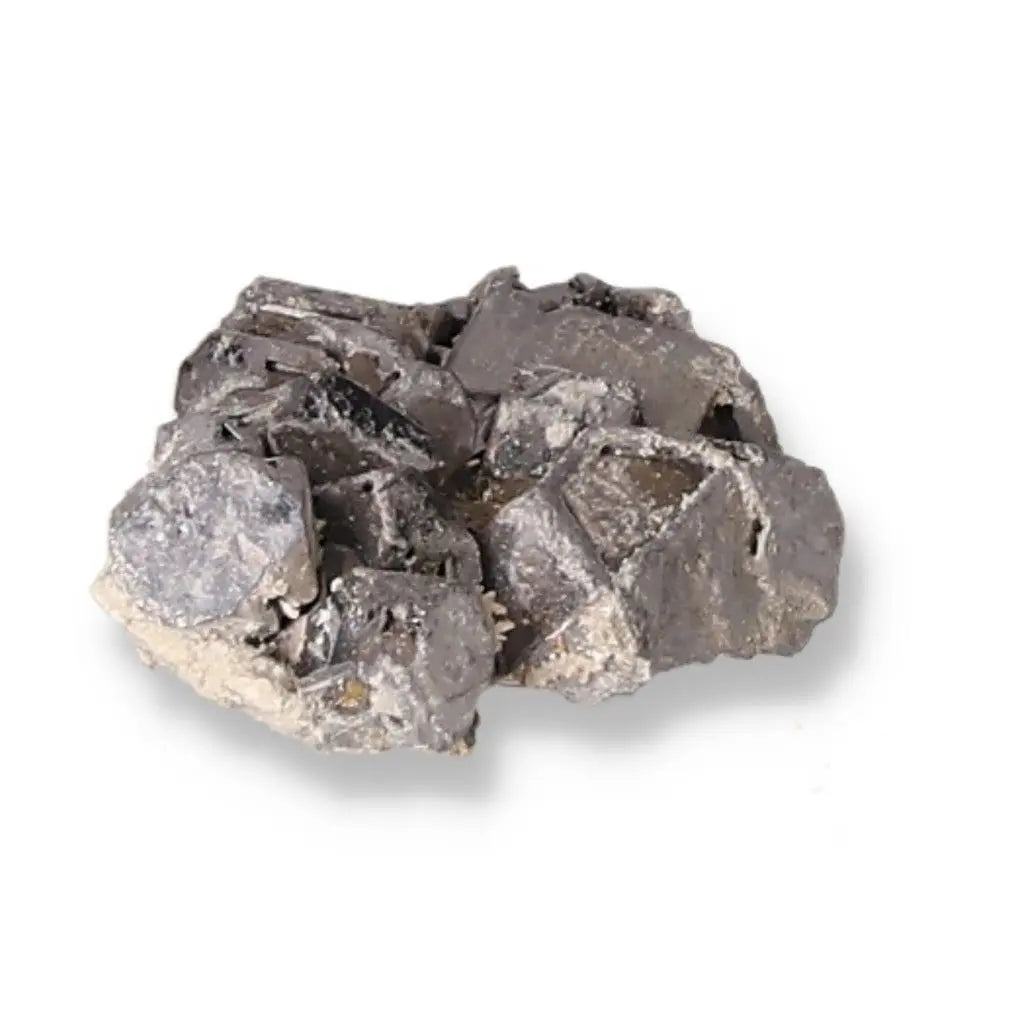
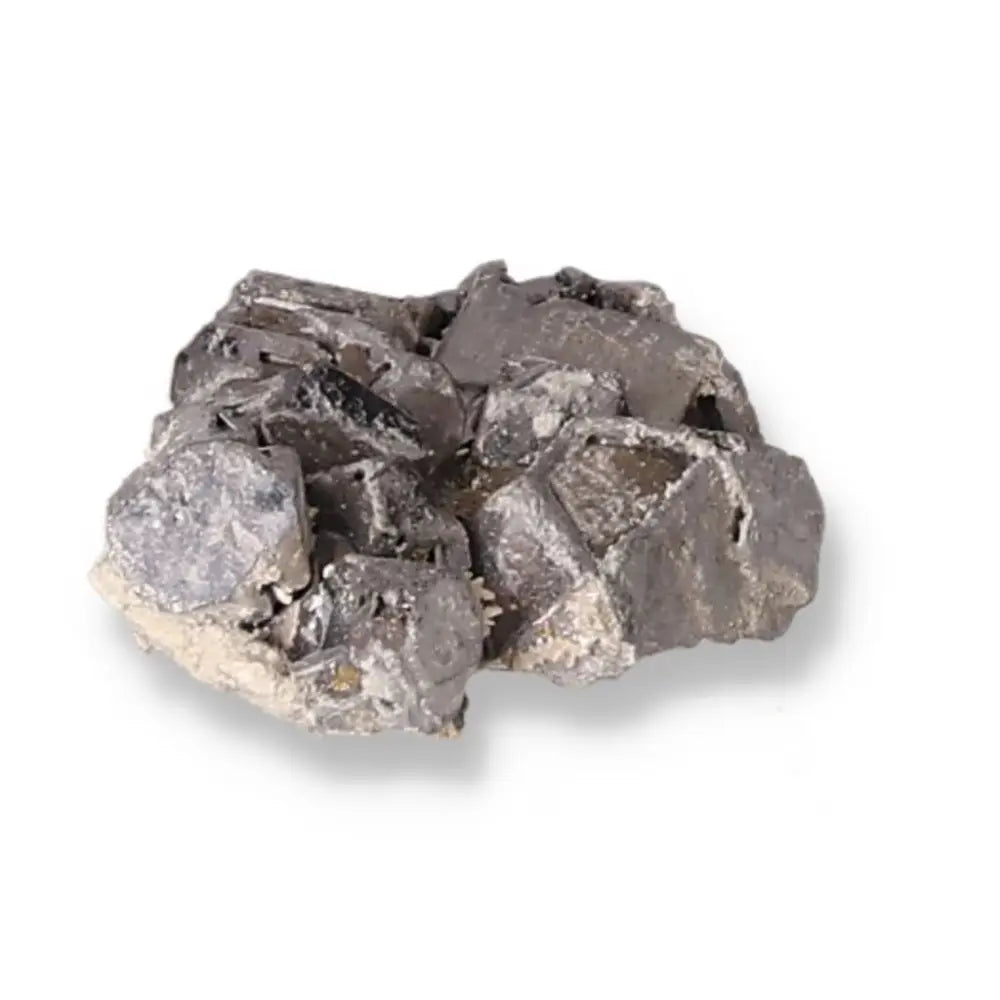
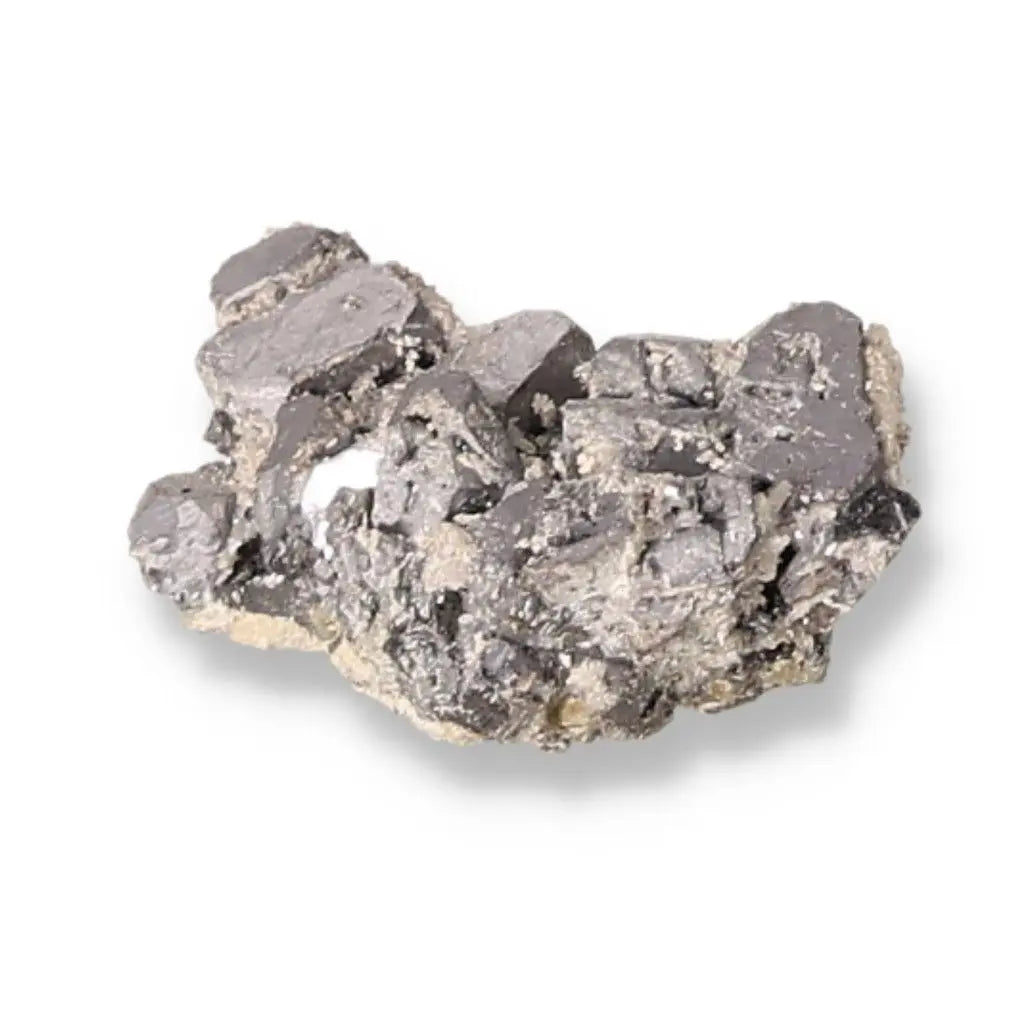
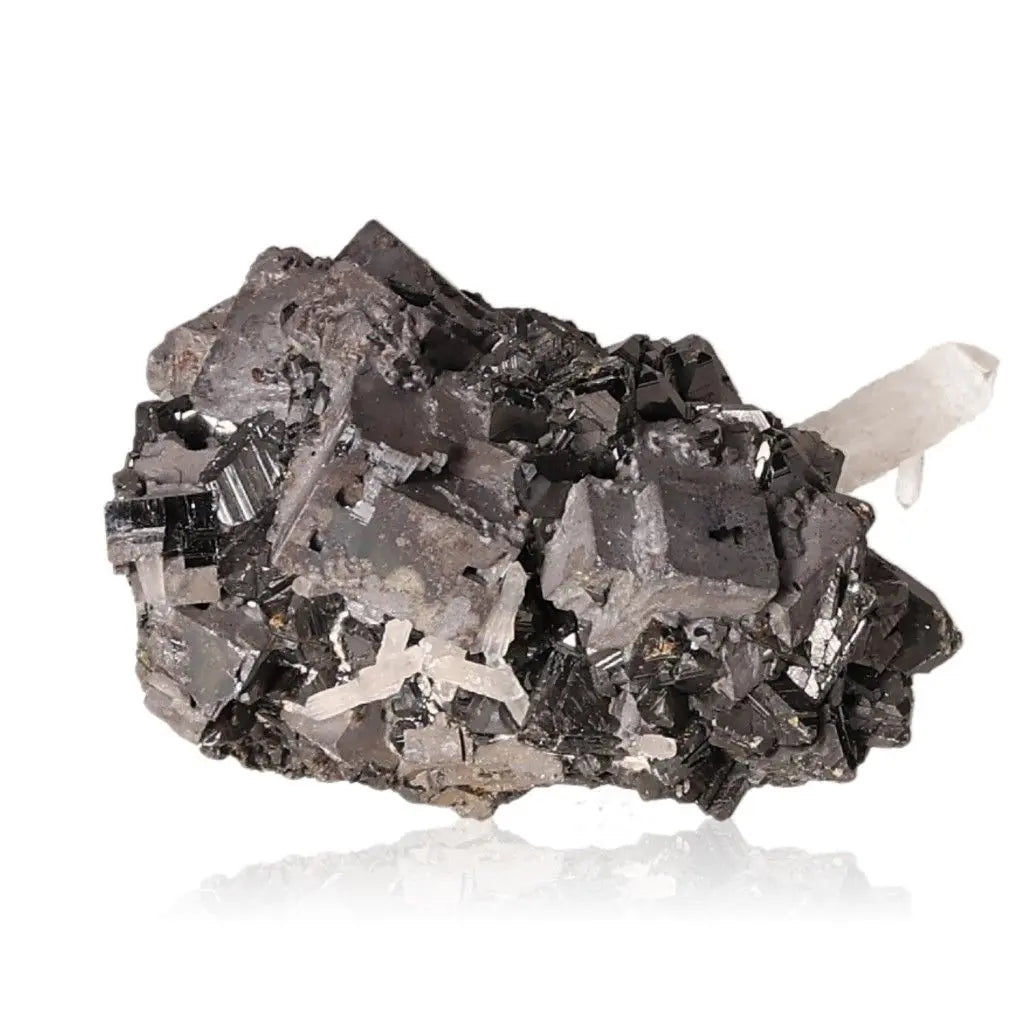
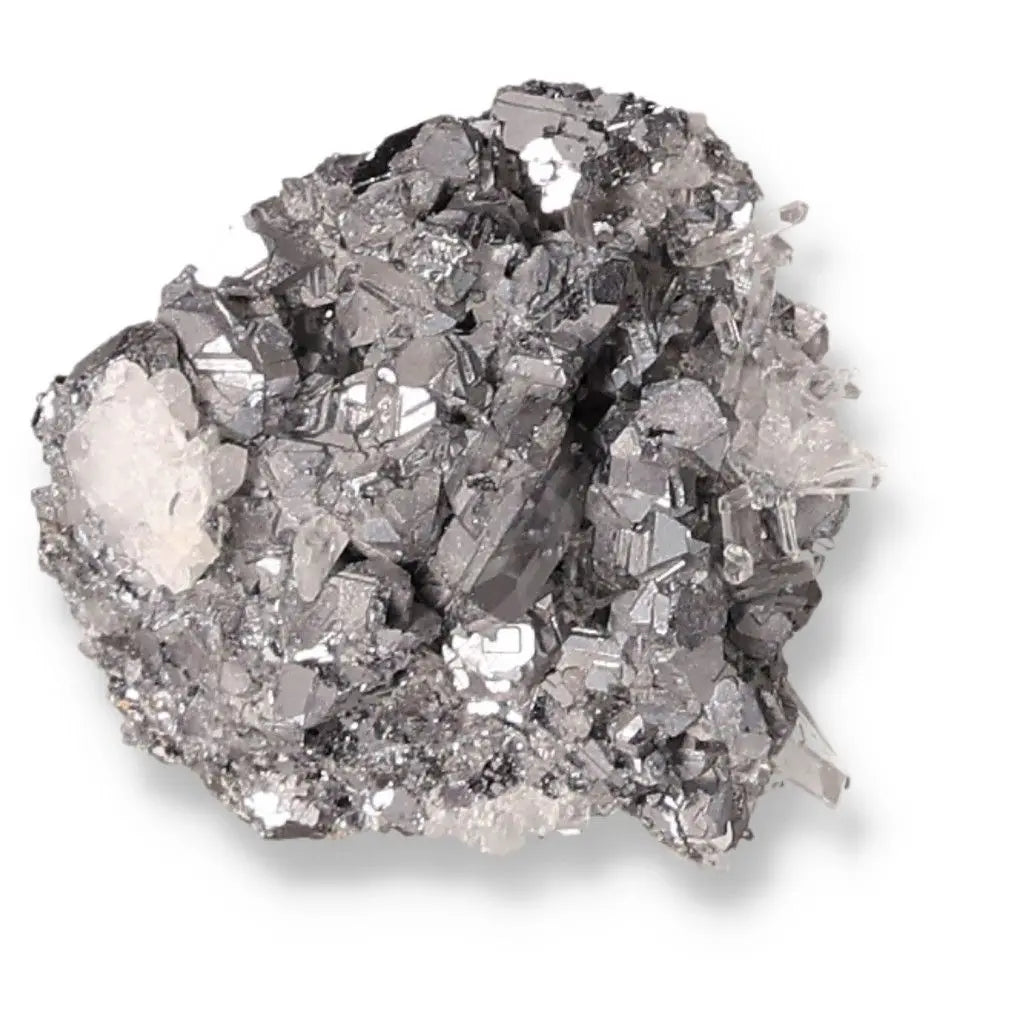
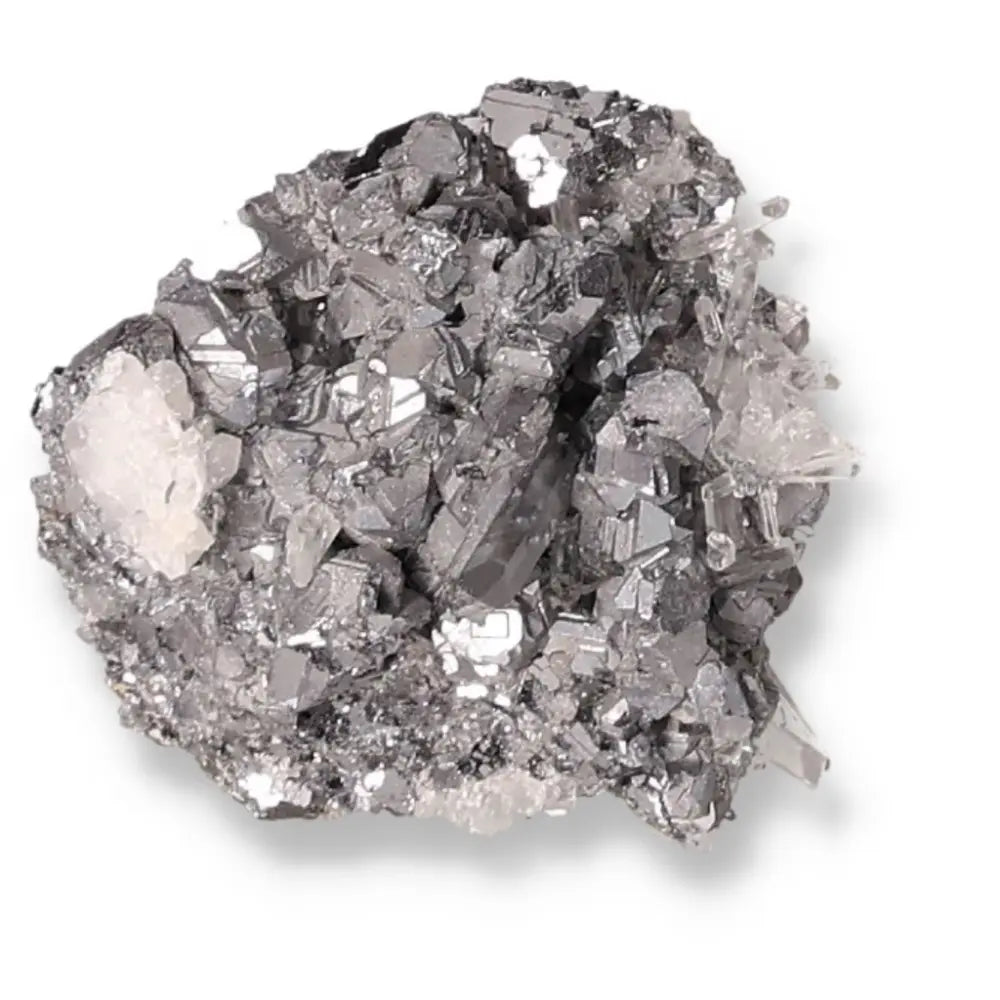
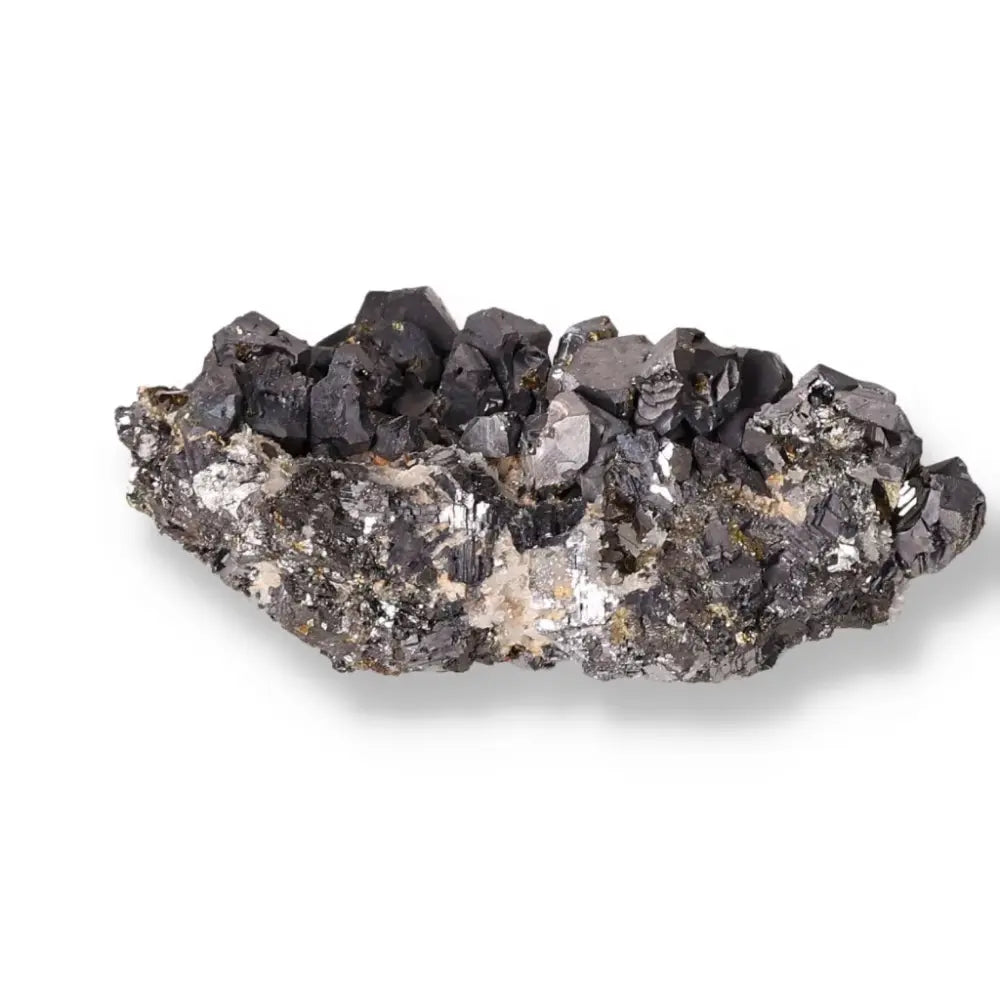
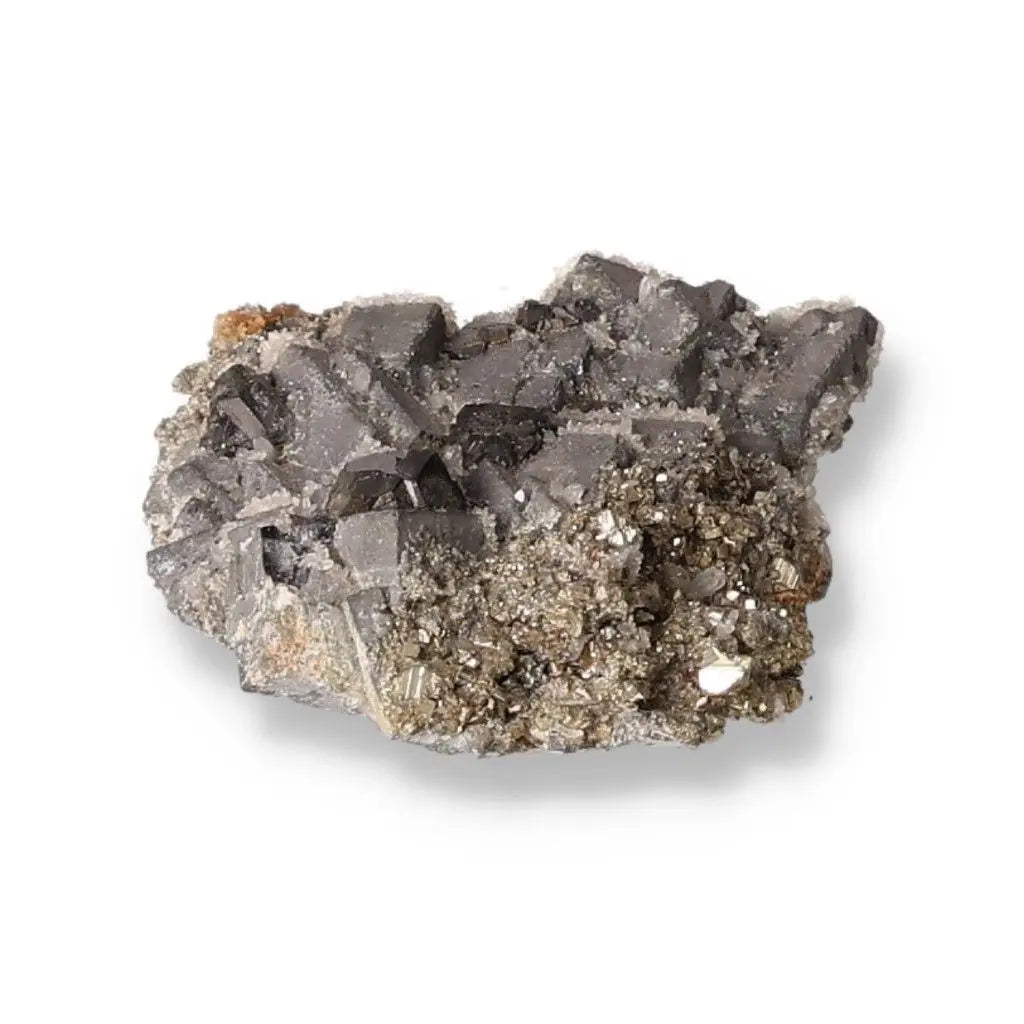
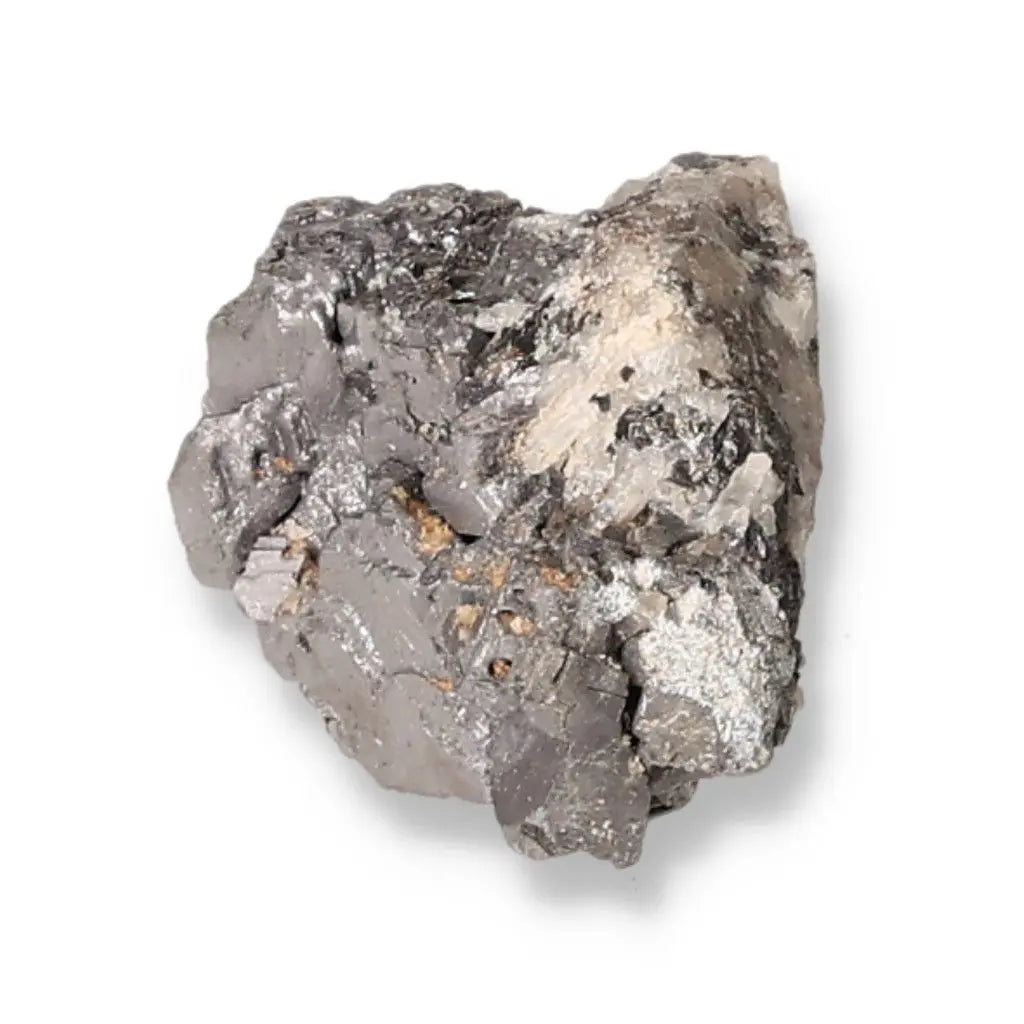
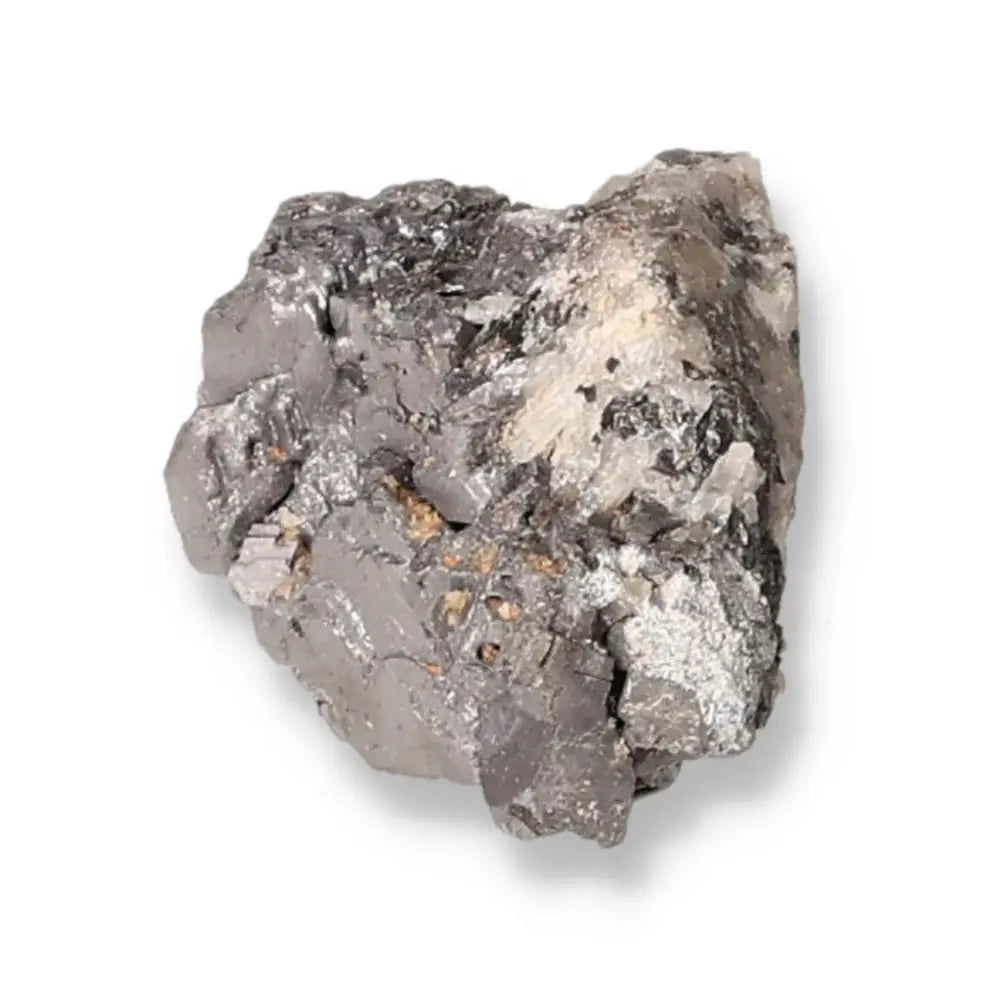
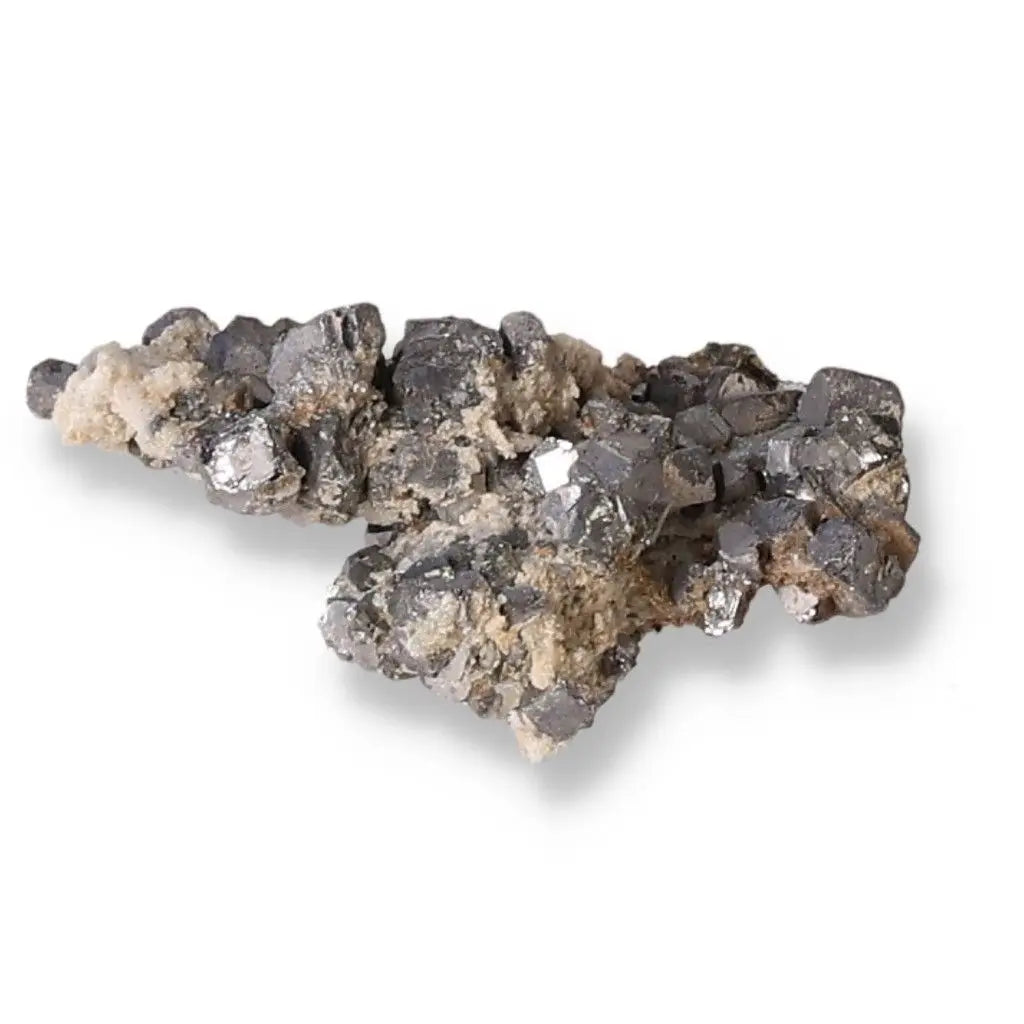
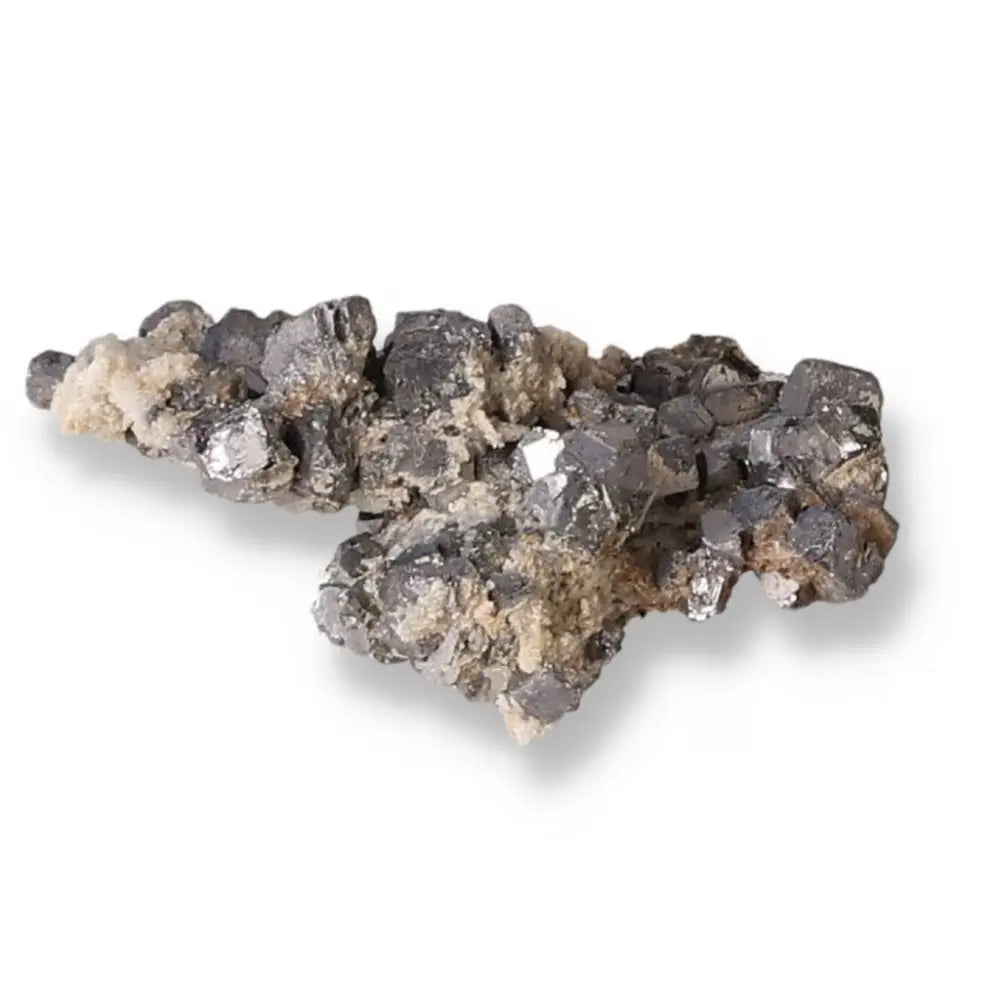
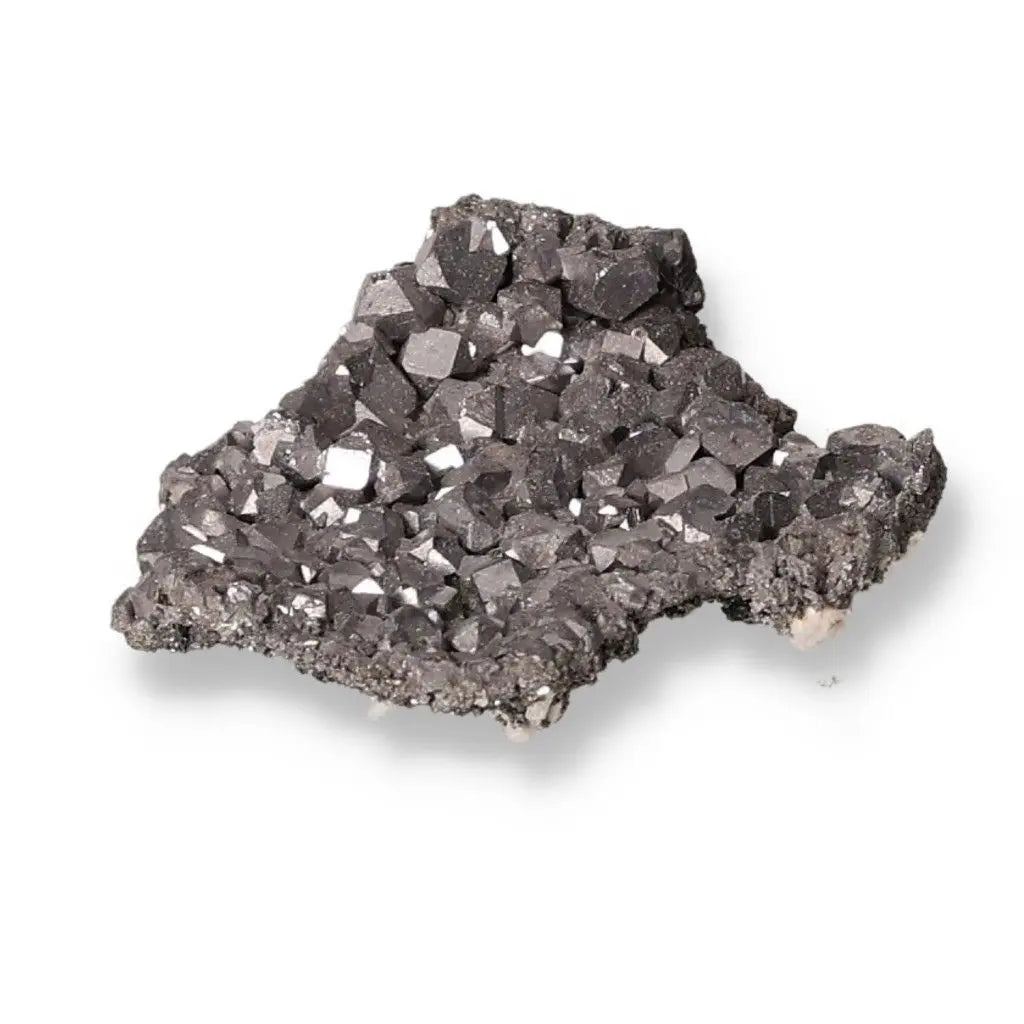
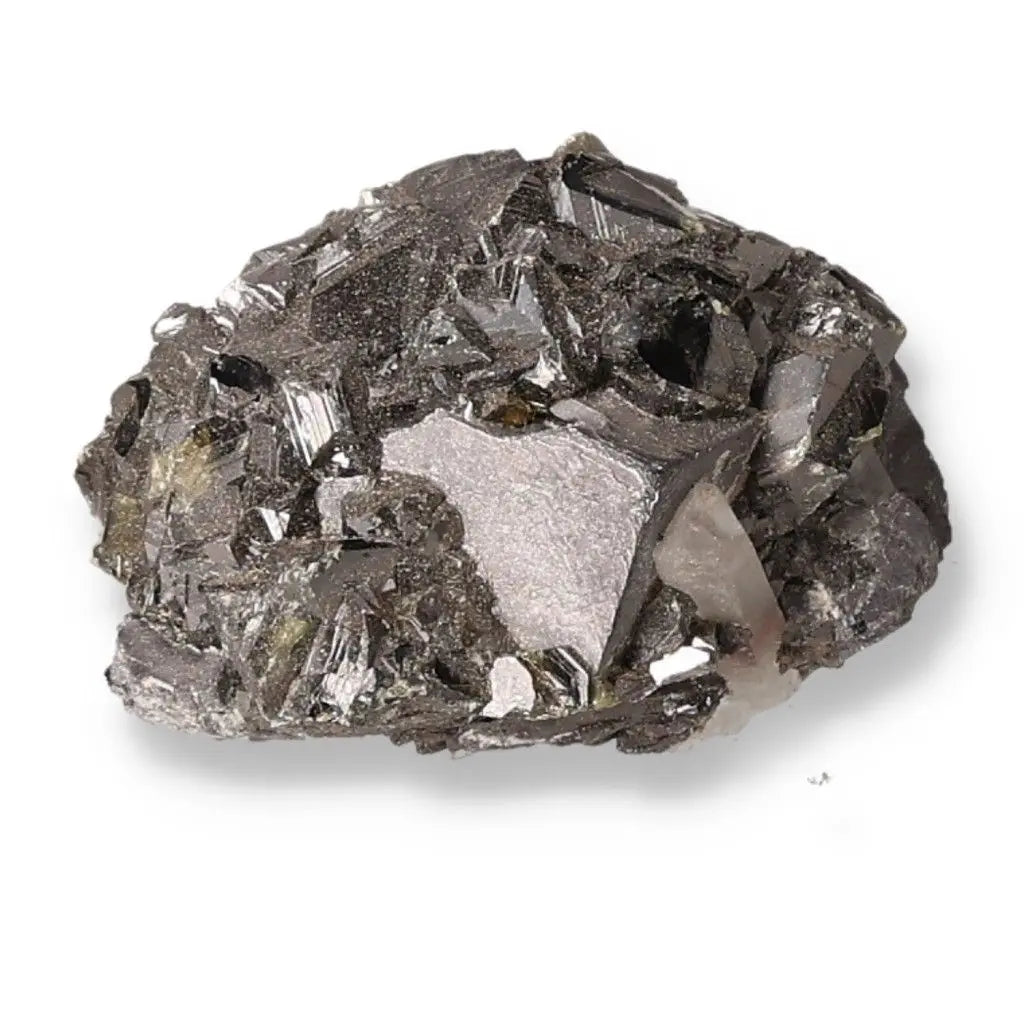
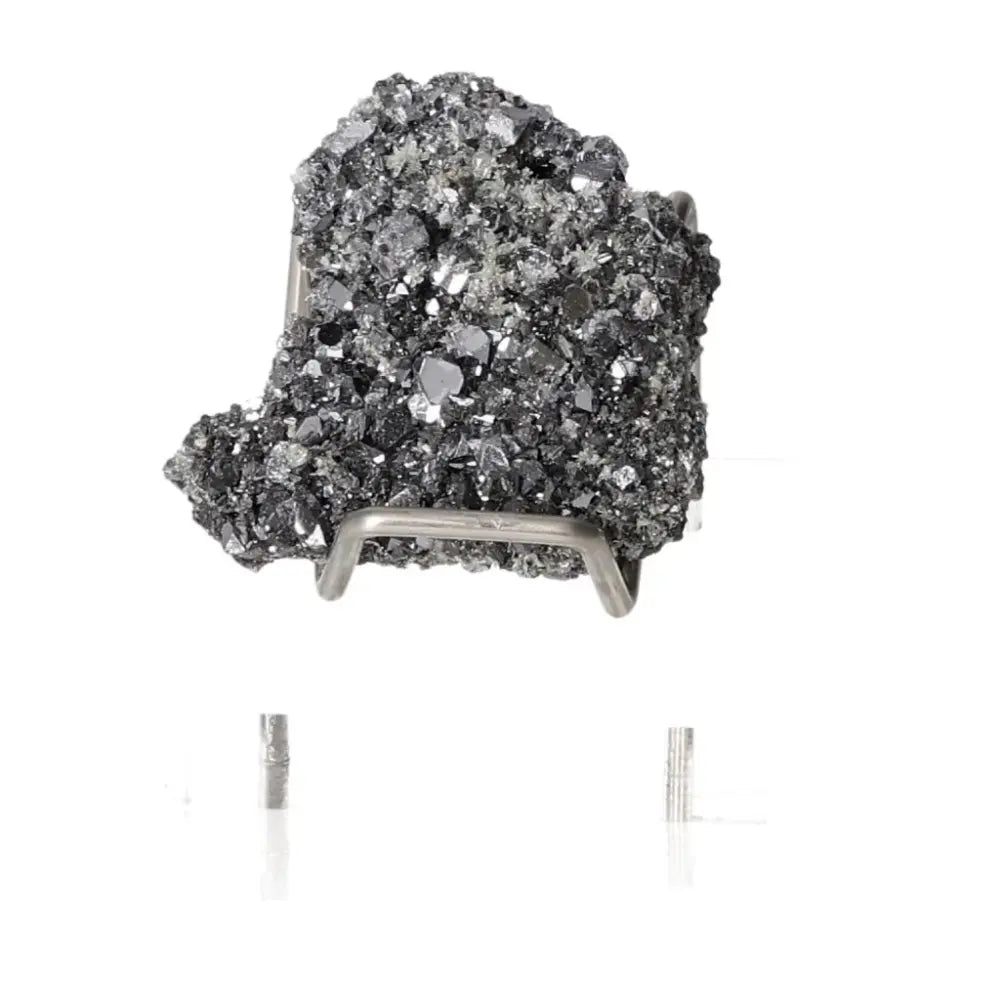
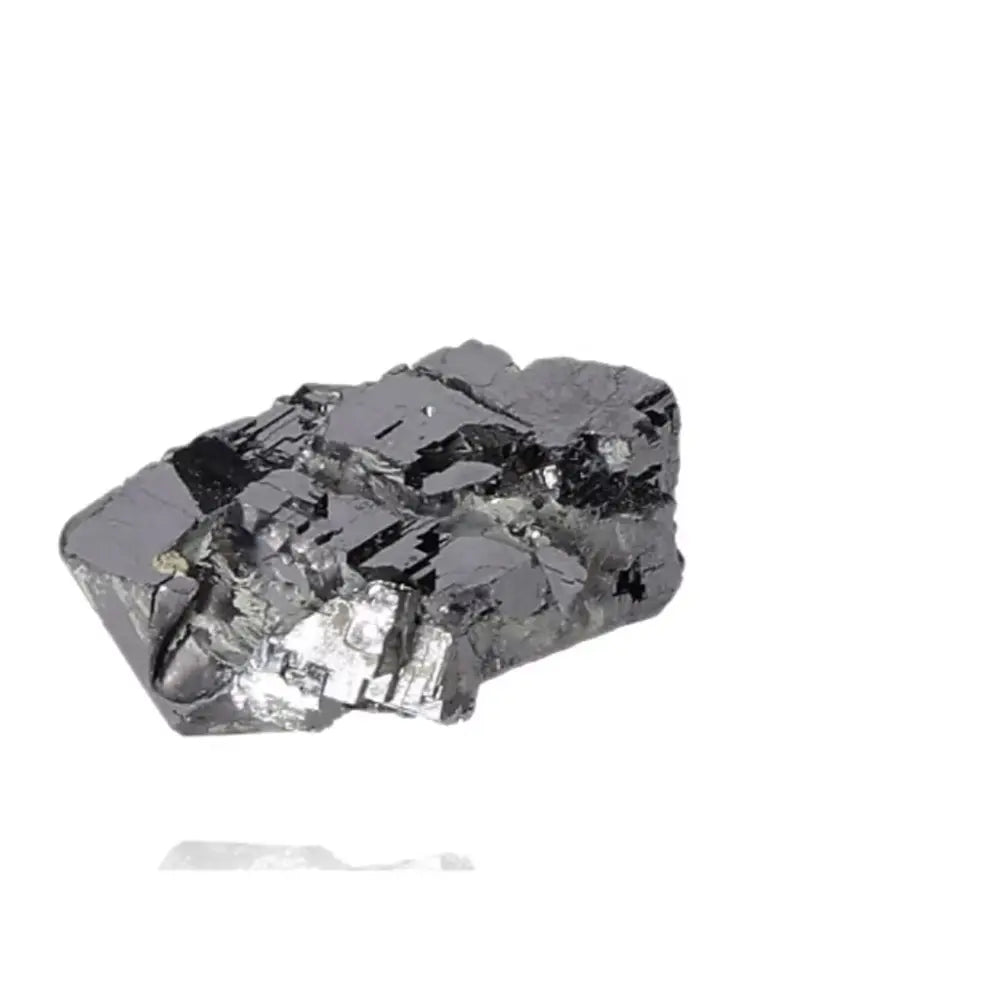
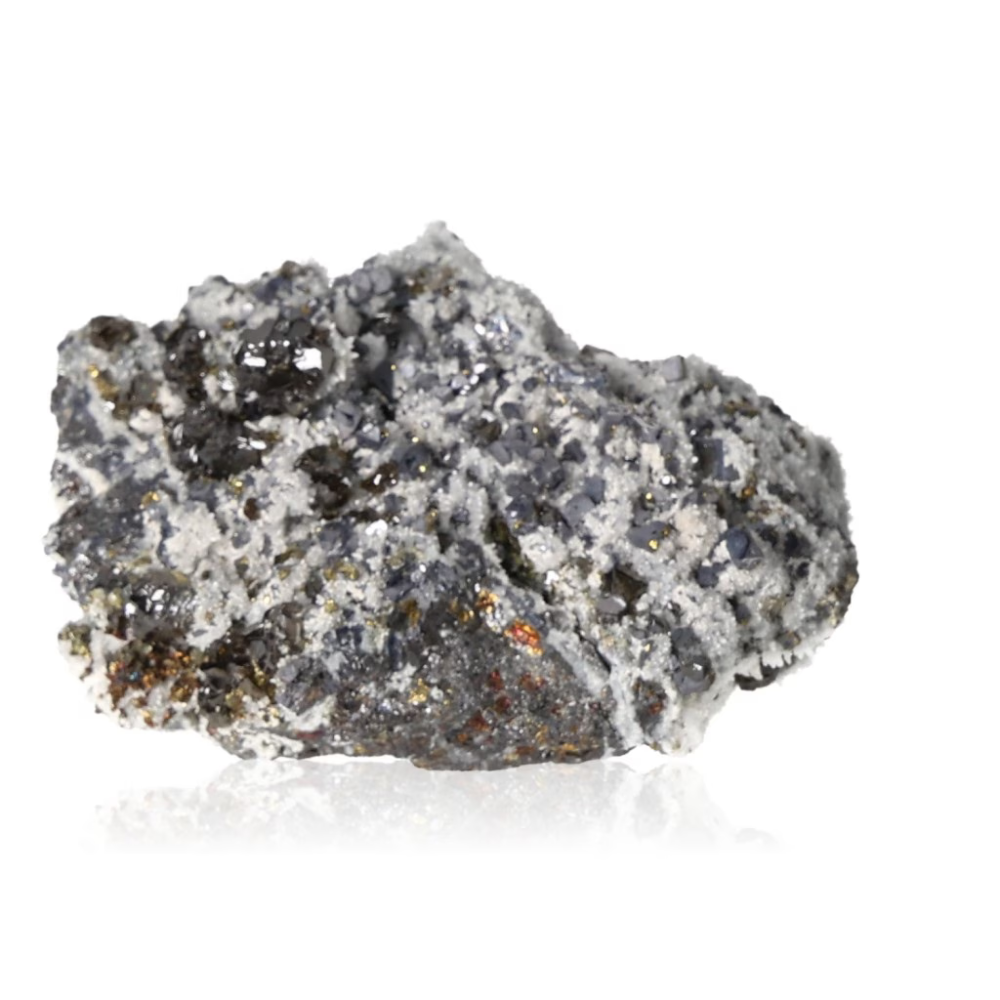
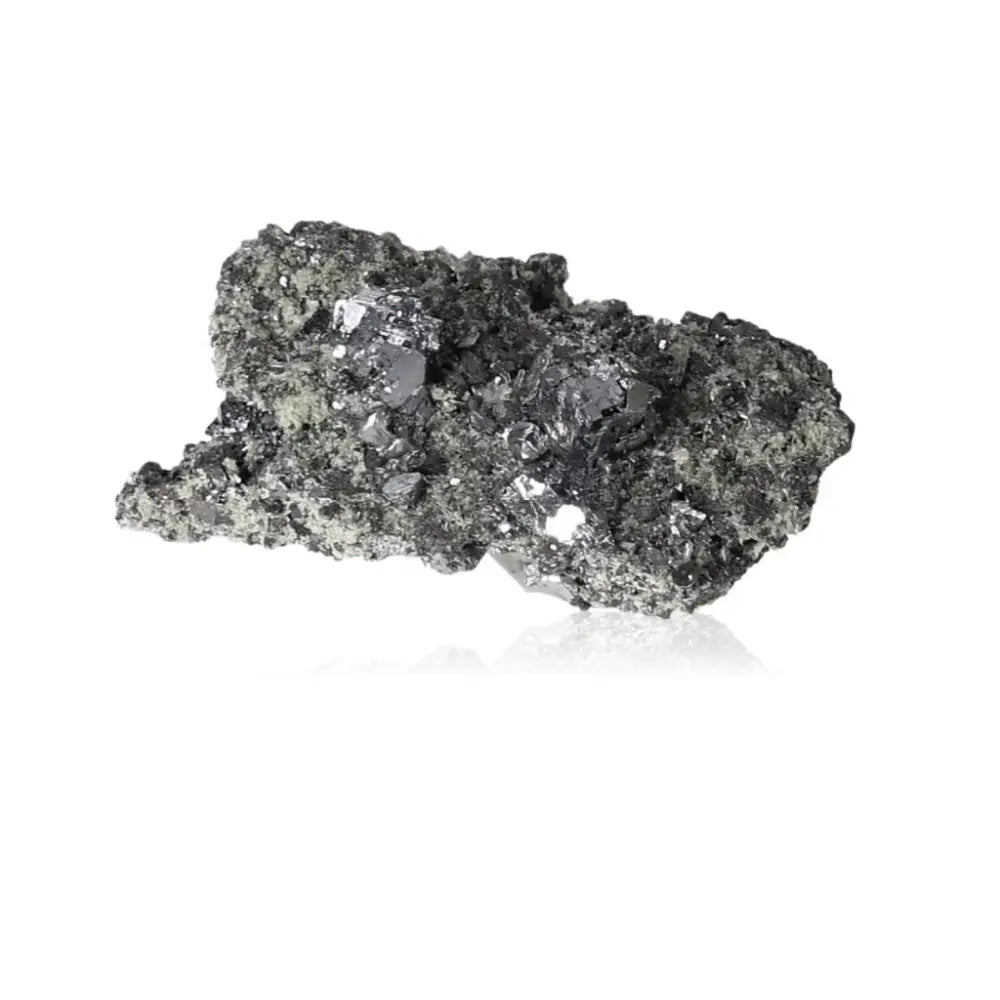
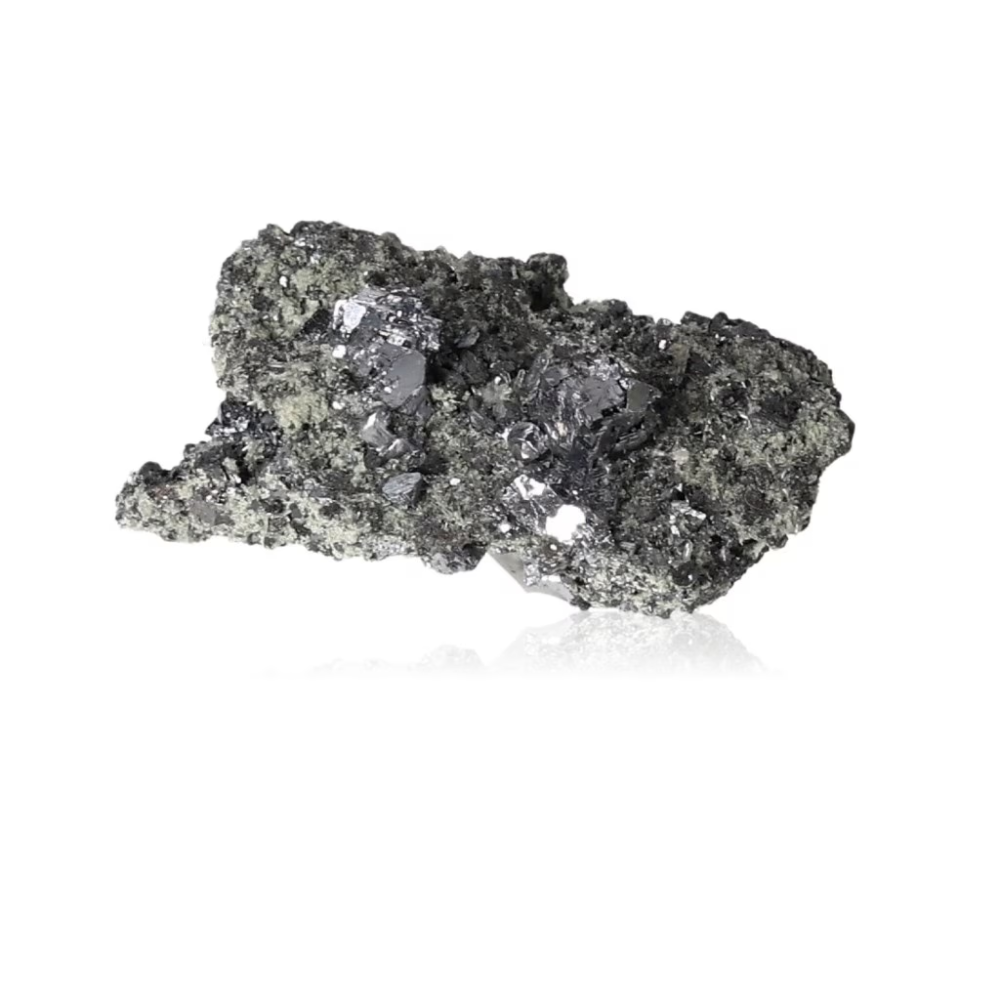
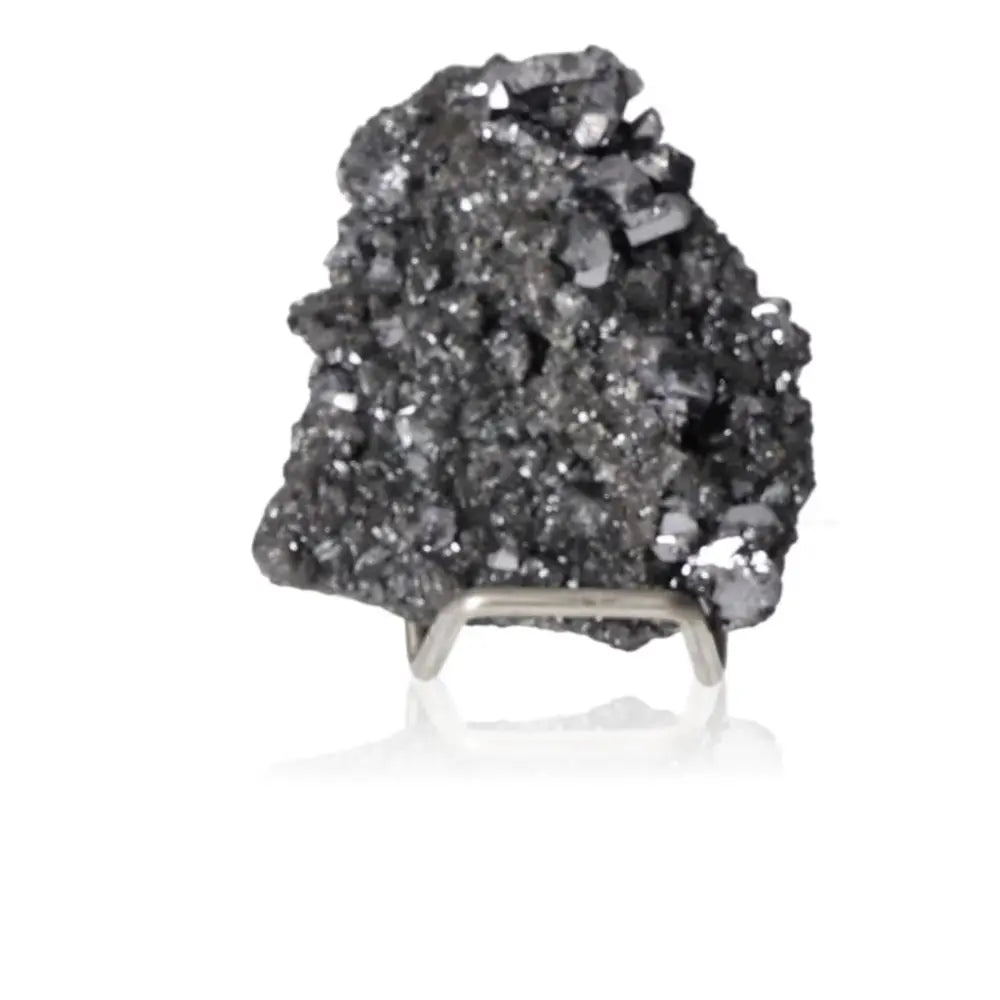
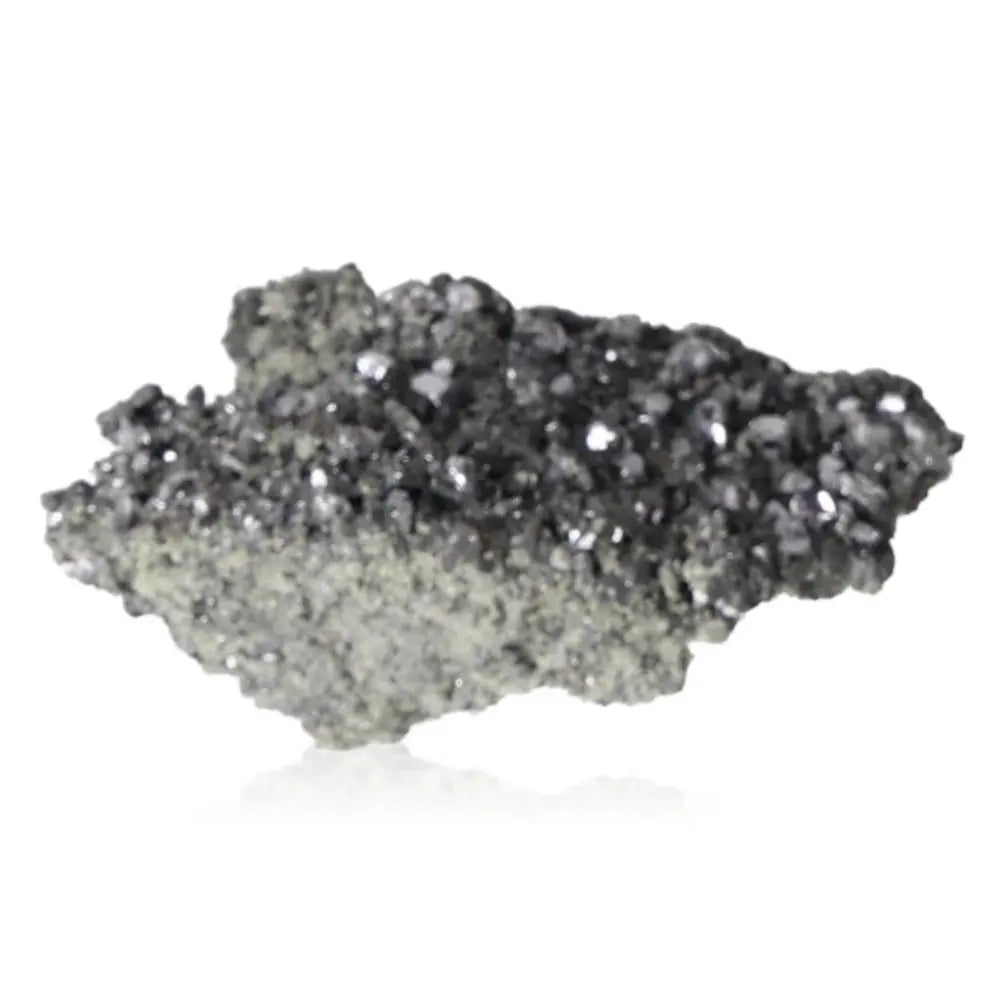
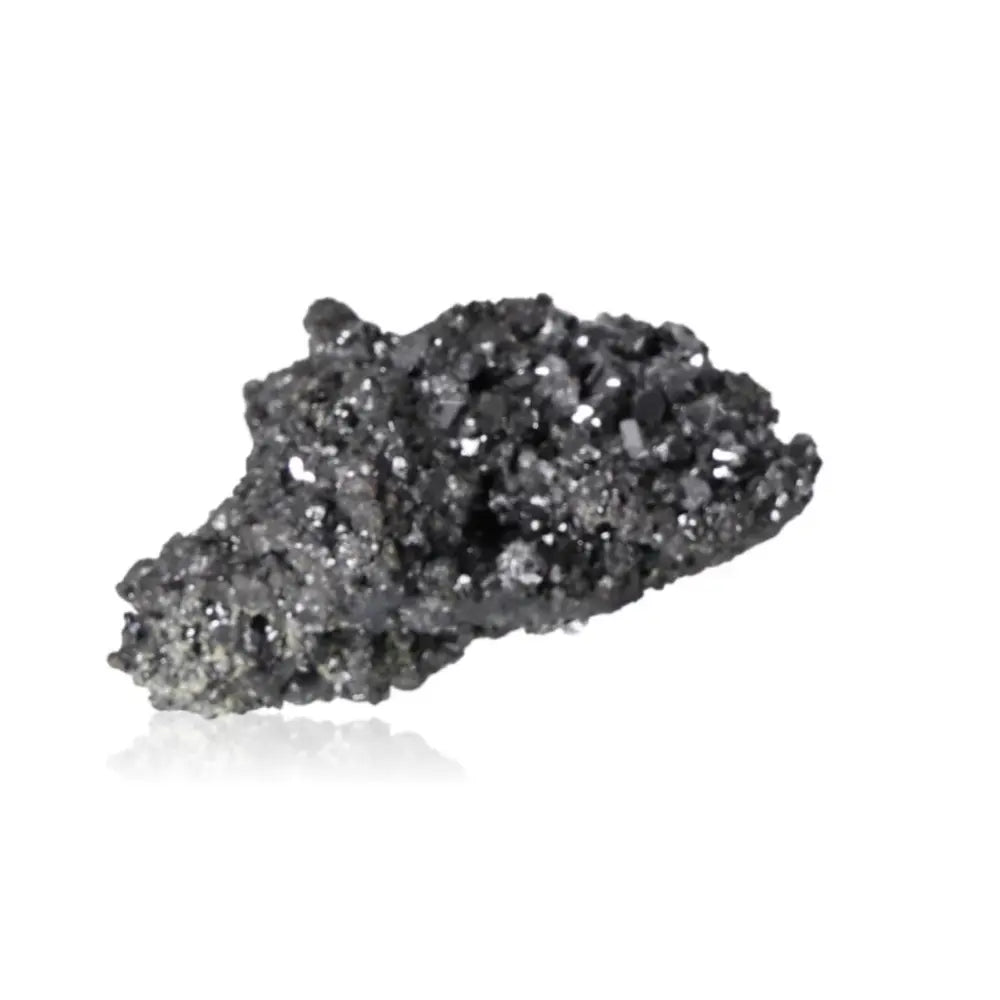
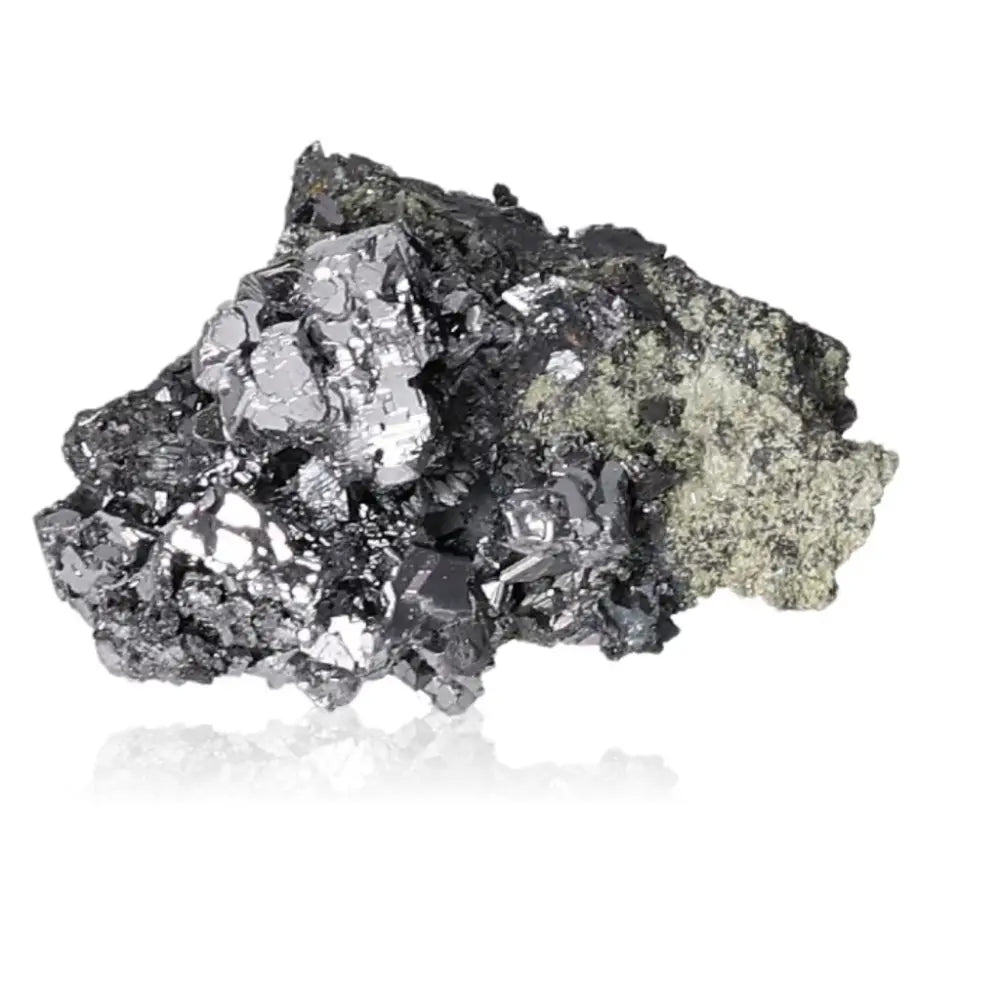
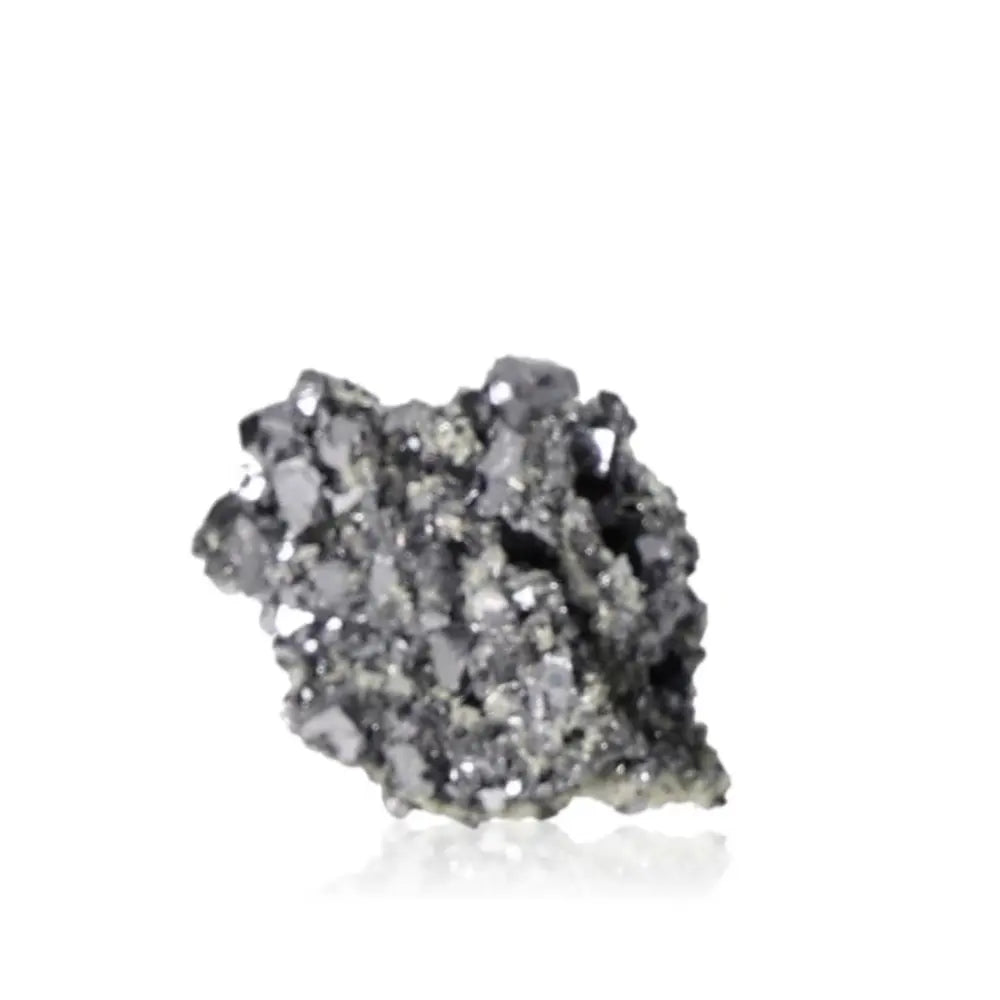
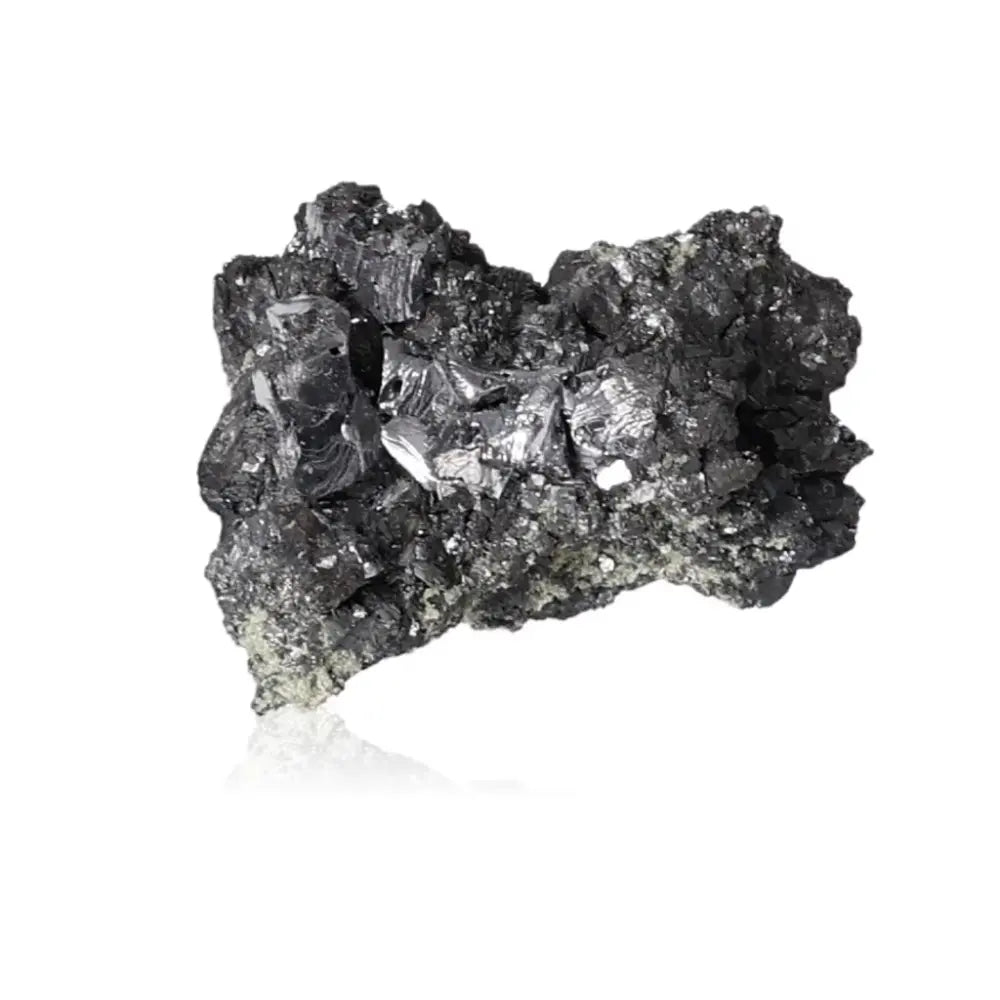
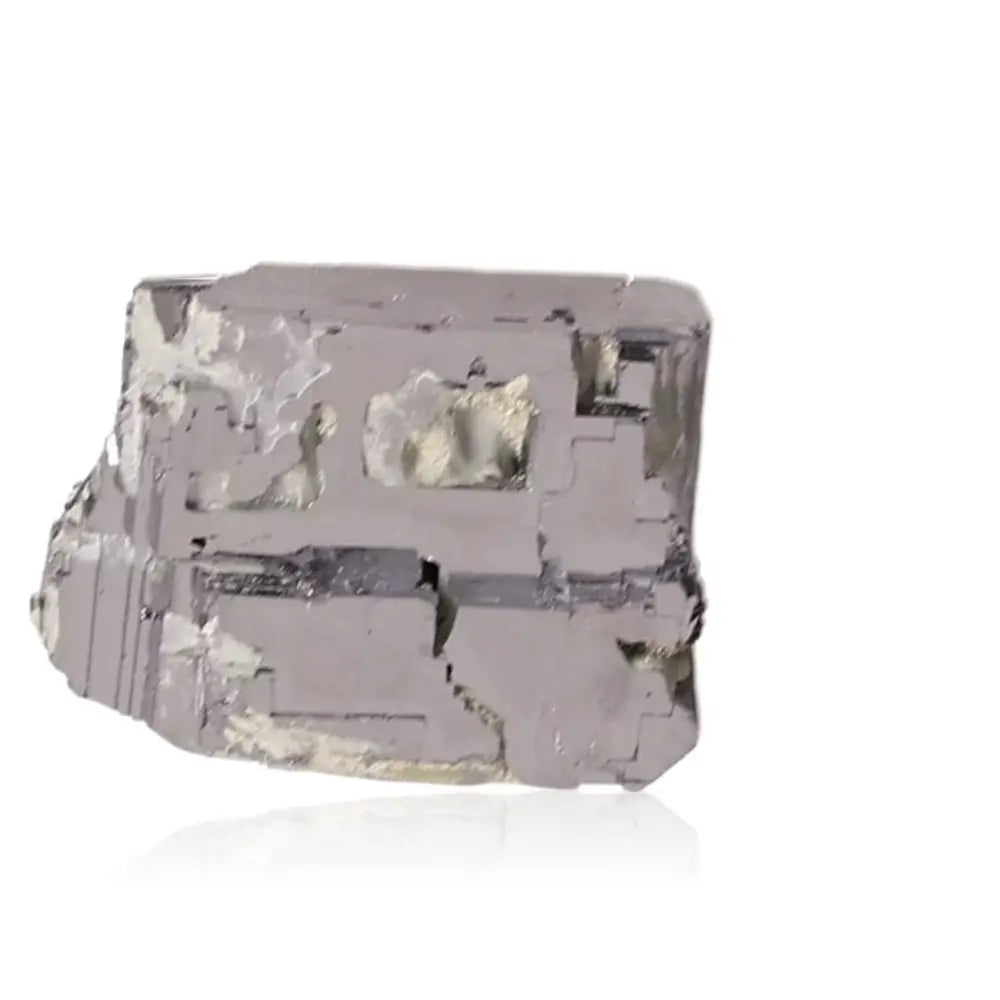
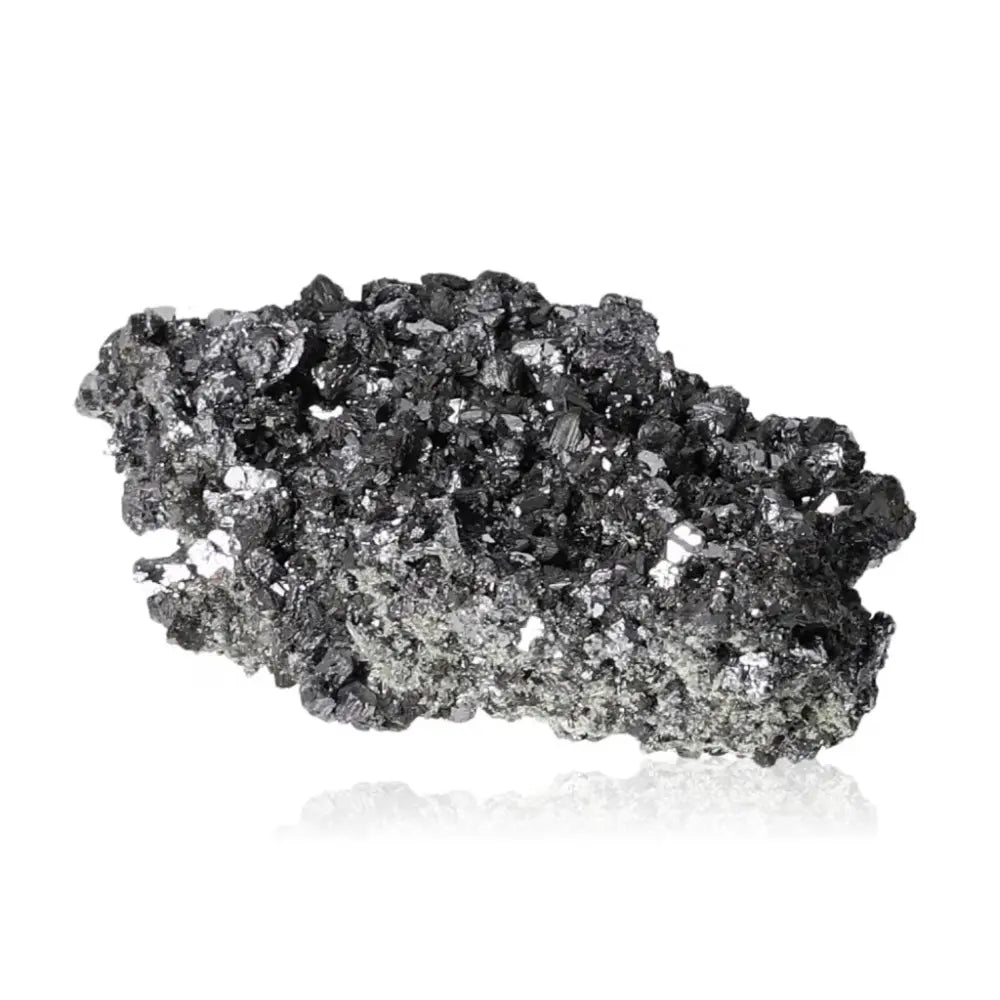
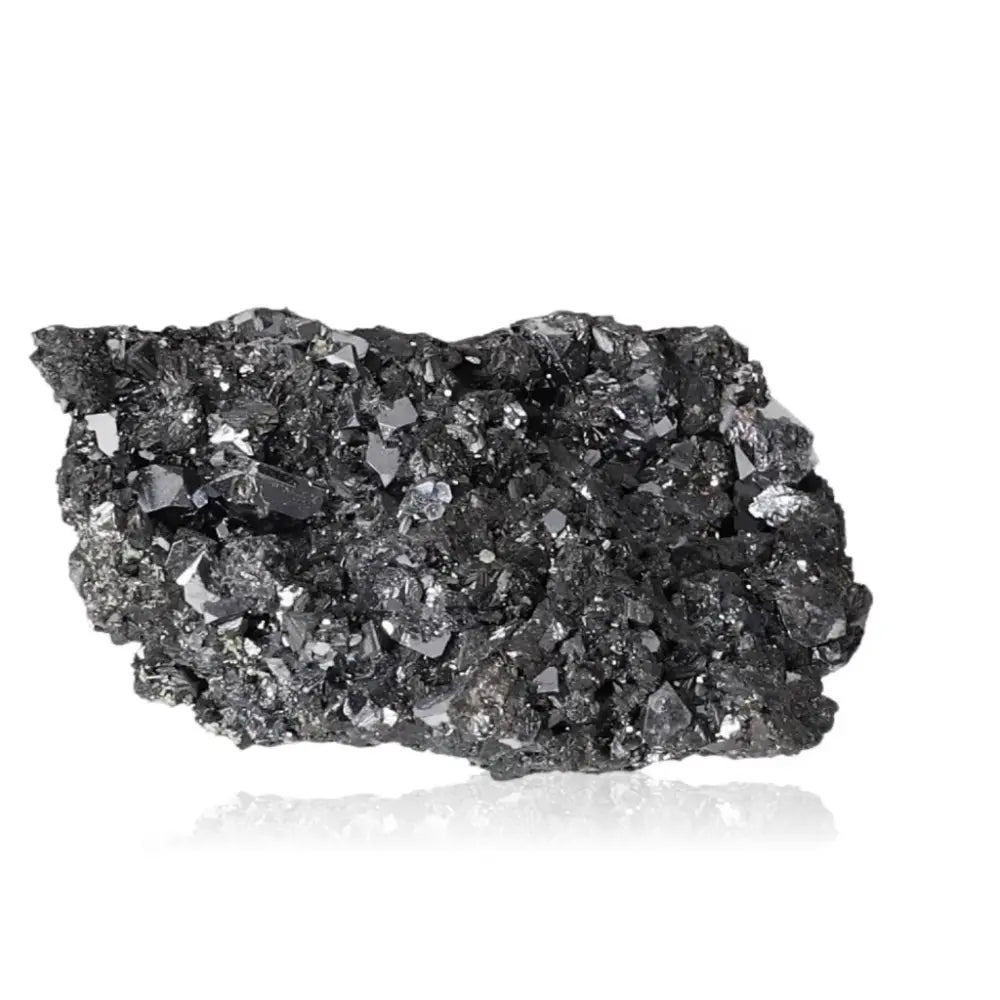
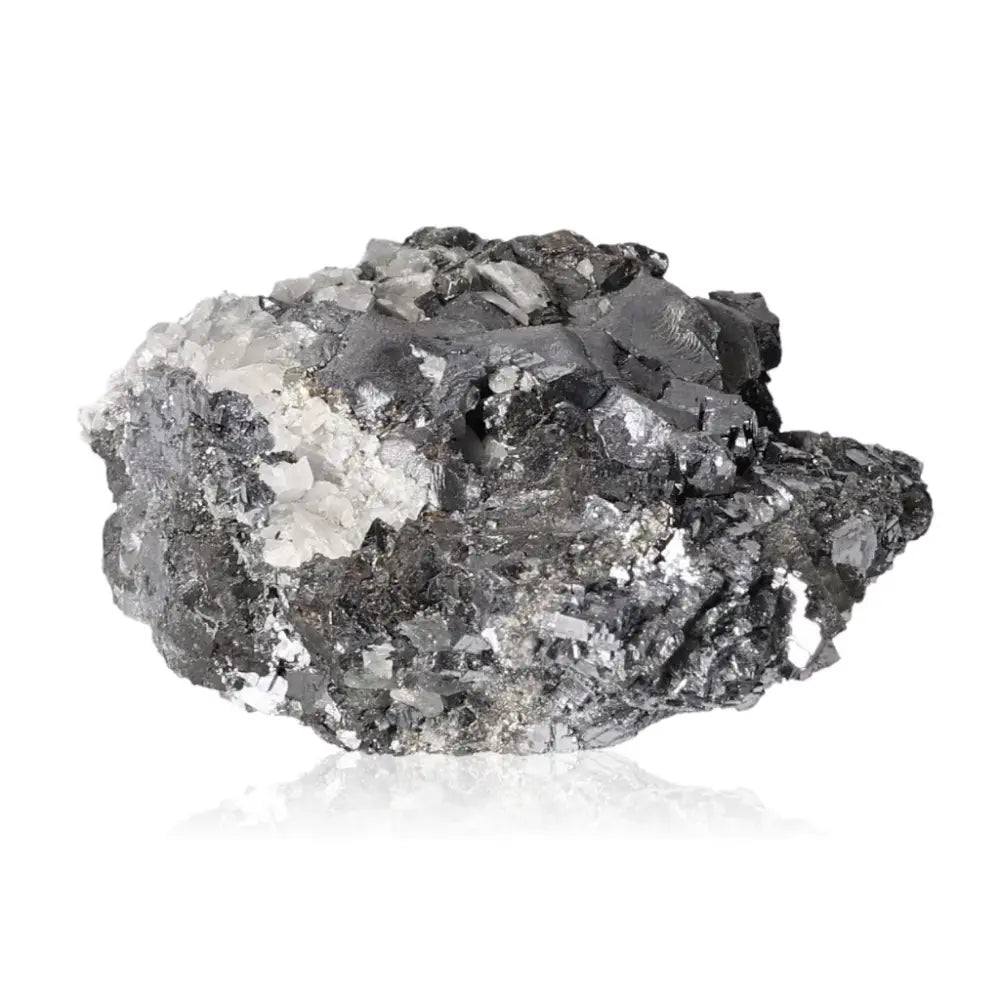
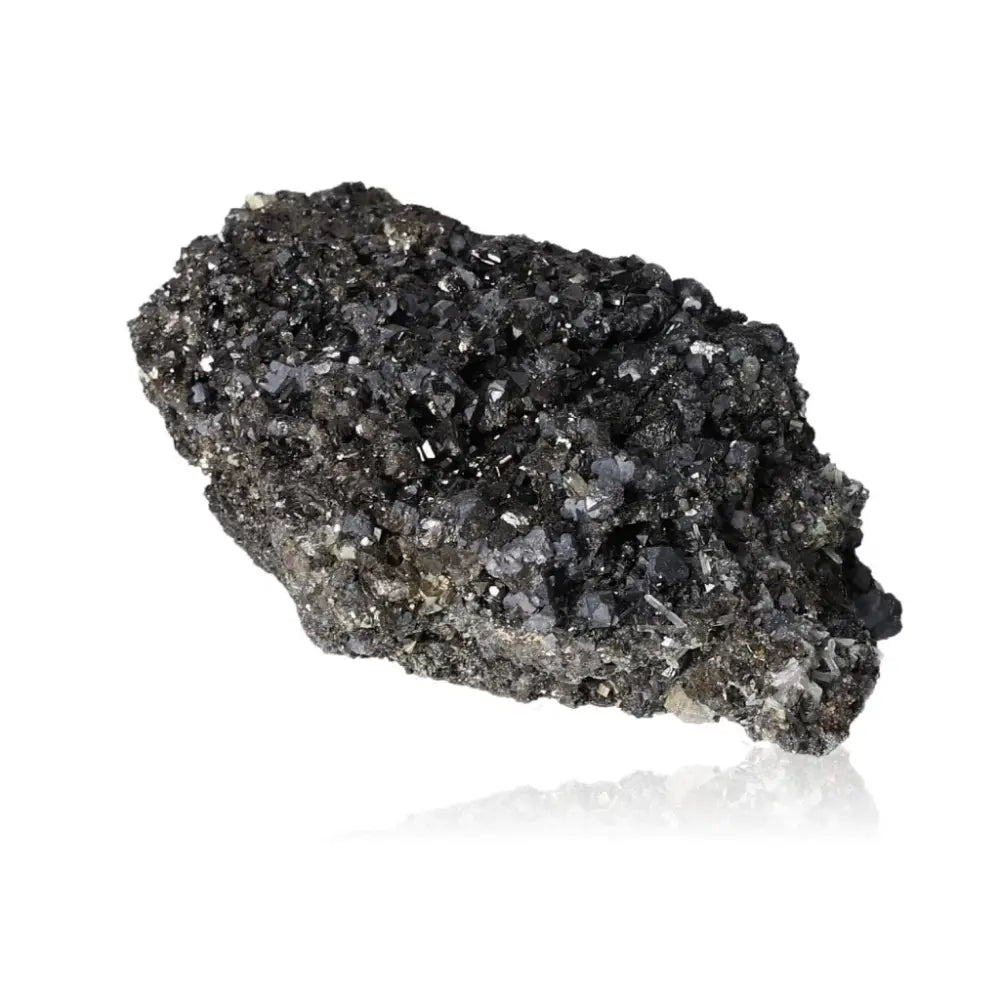
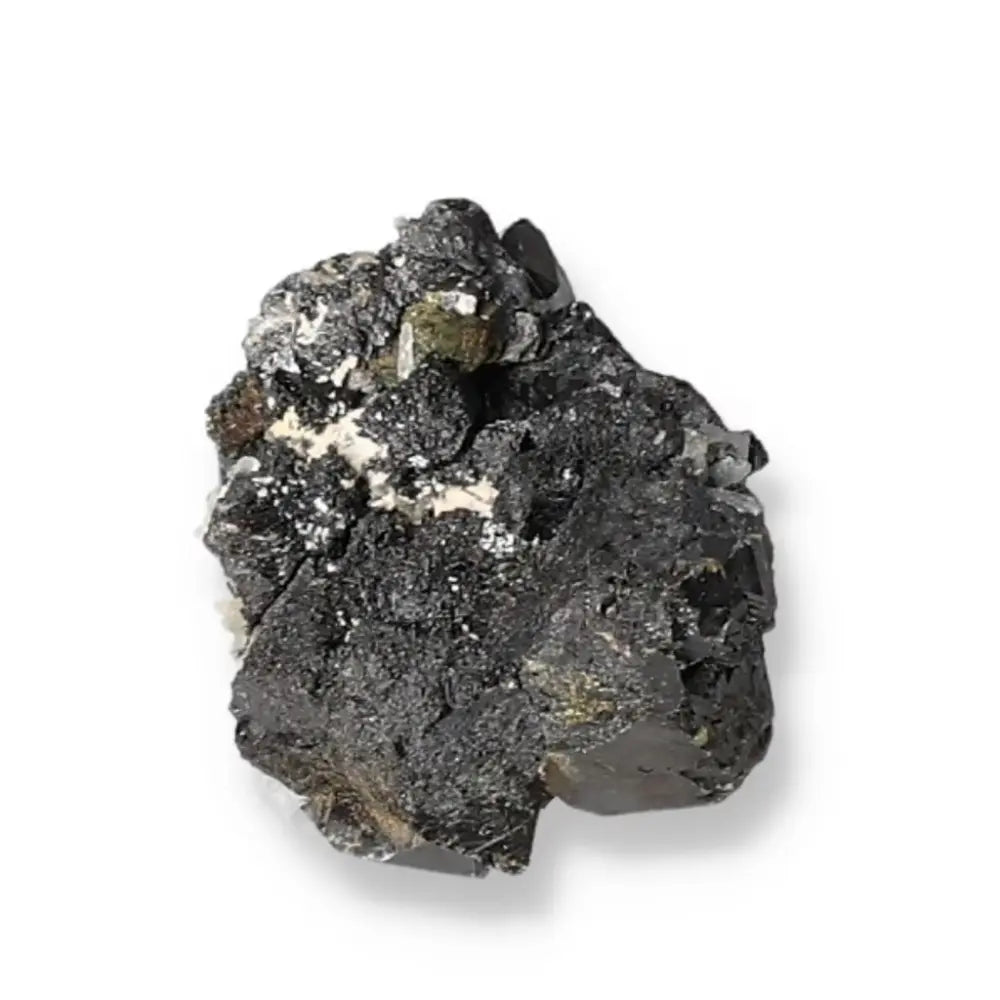
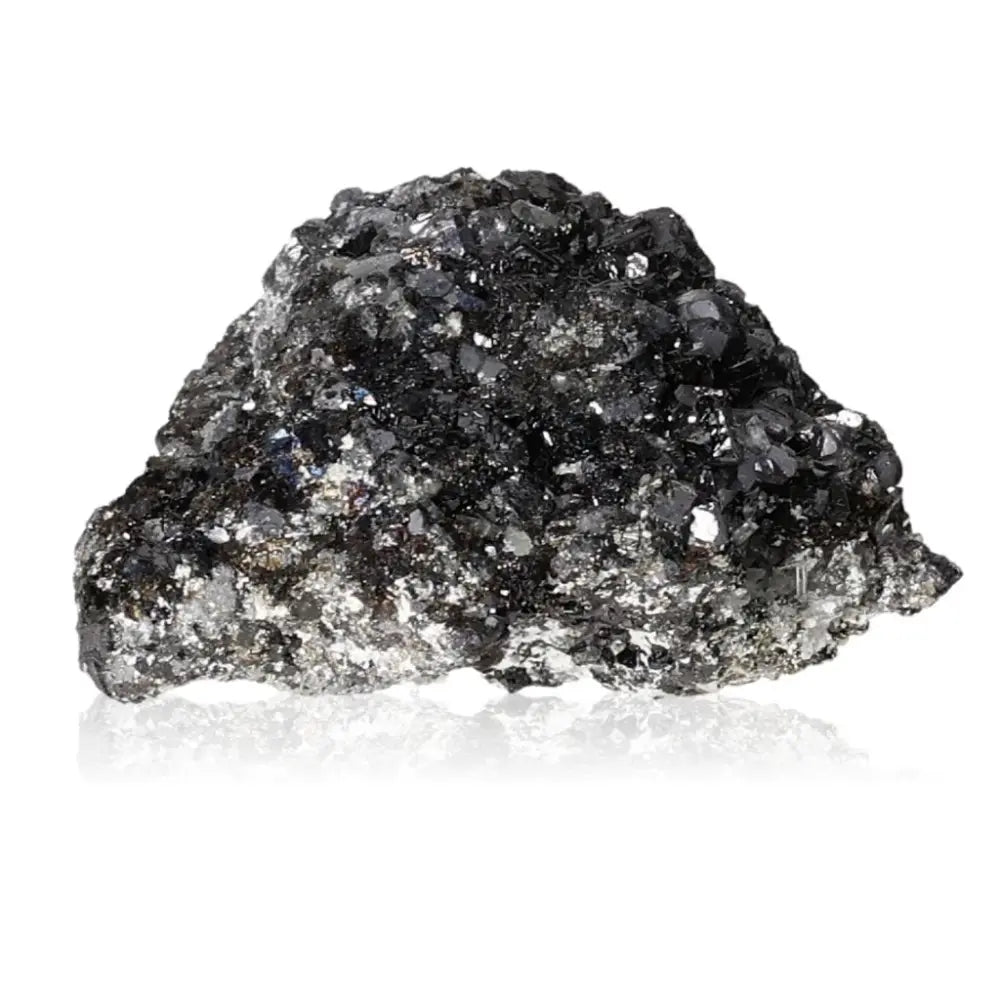
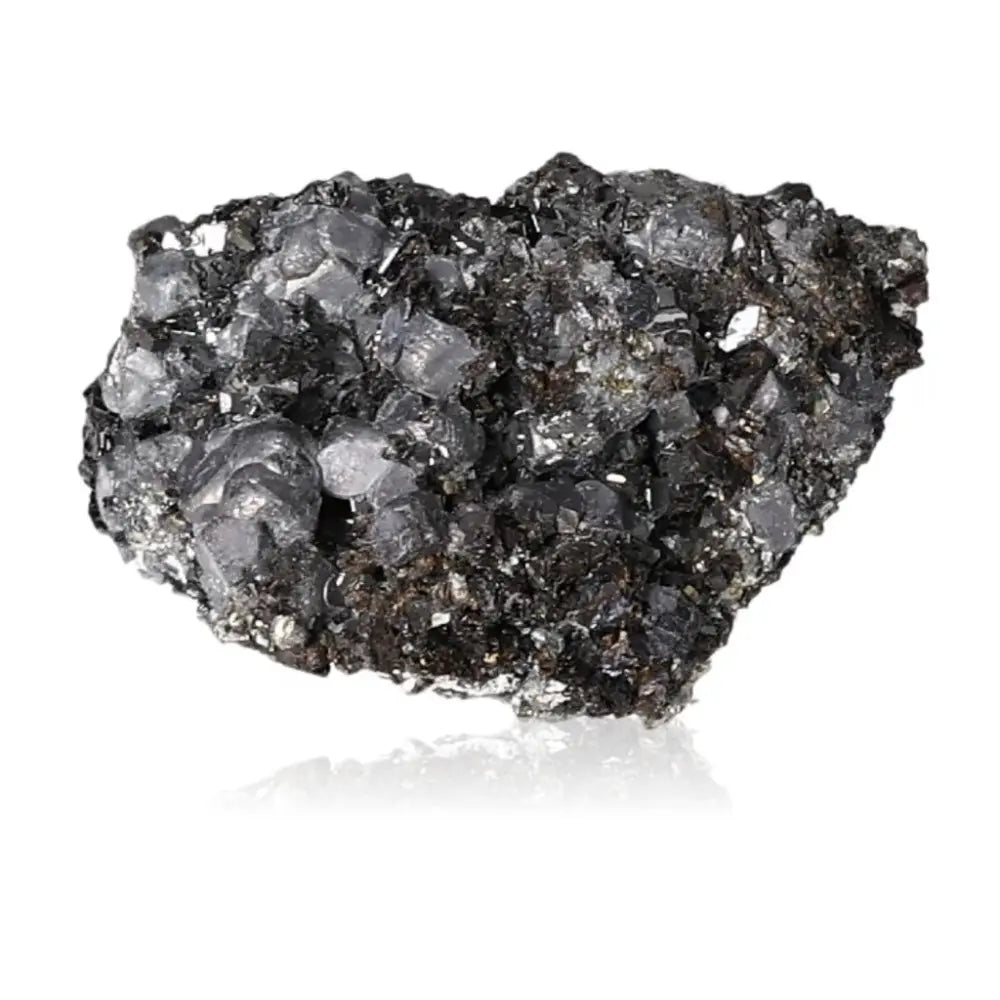
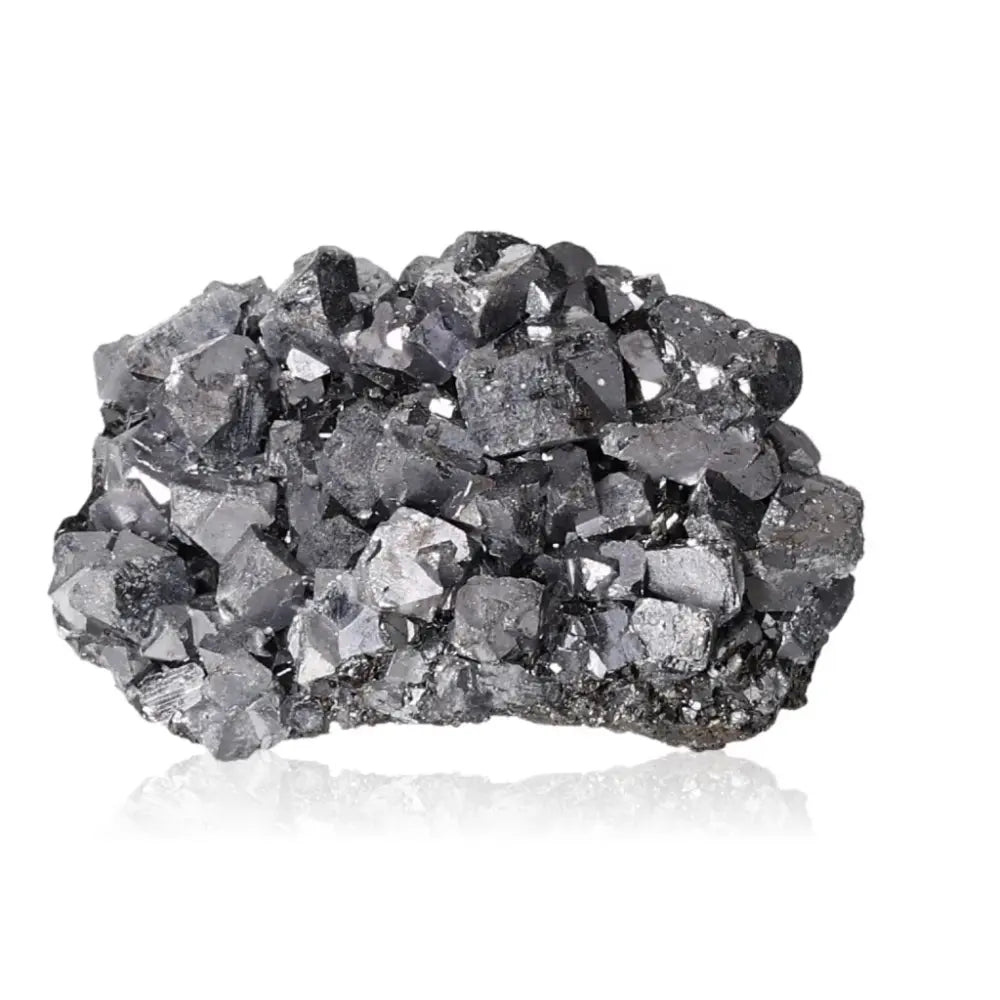
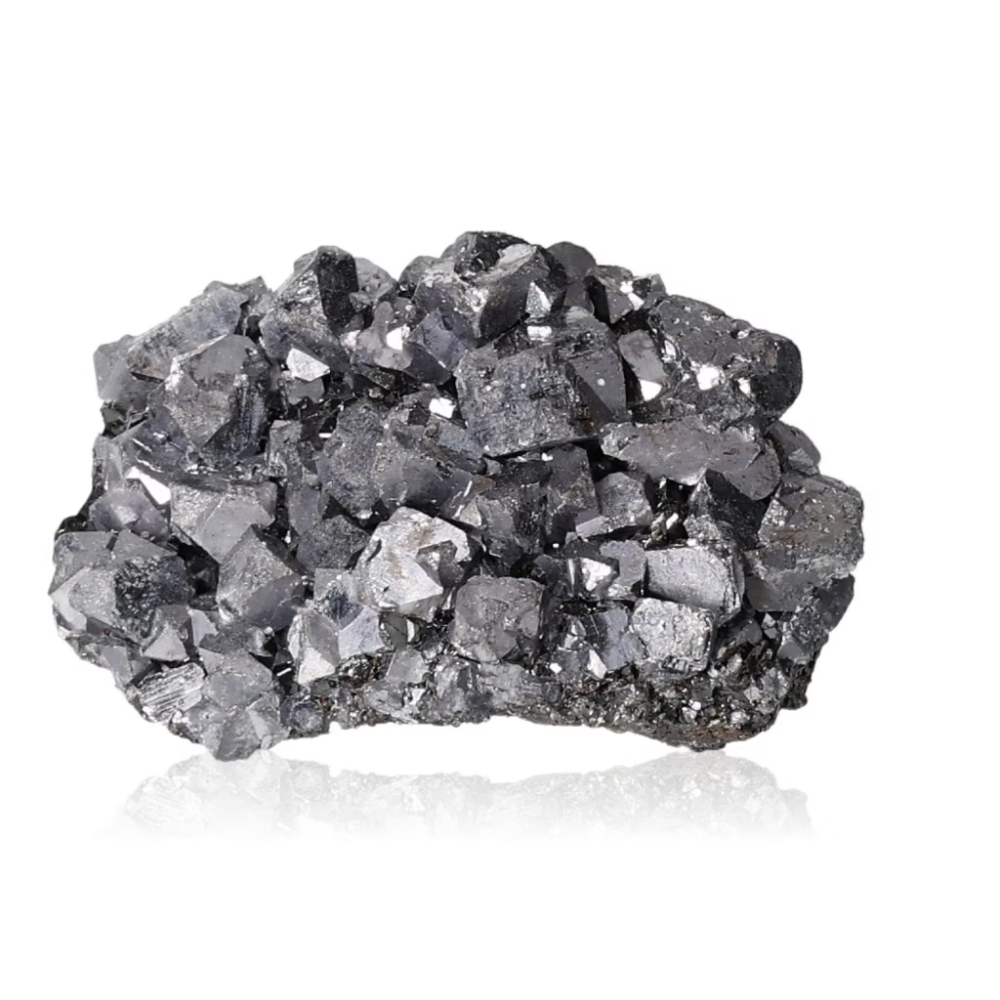
Galena's remarkable metallic shine comes from its unique crystalline structure and high lead content. When freshly broken, its surface reveals a bright, mirror-like sheen with a distinctly silvery-gray hue. Galena forms naturally in perfect cubic crystals — geometric shapes that seem almost too precise to be natural — and this cubic habit is one of its most recognizable features, often found in stunning cluster formations.
Galena is a delicate mineral — relatively soft (2.5–2.75 on the Mohs scale) and heavy due to its high lead content. Handle it gently and always wash your hands after touching it, as galena contains lead and shouldn't come into contact with food, drinks, or open wounds. Wipe it only with a soft, dry cloth — never use water or chemicals, which can dull its metallic surface. Store it separately from other stones to prevent scratches, and keep it in a dry place to preserve its natural shine.
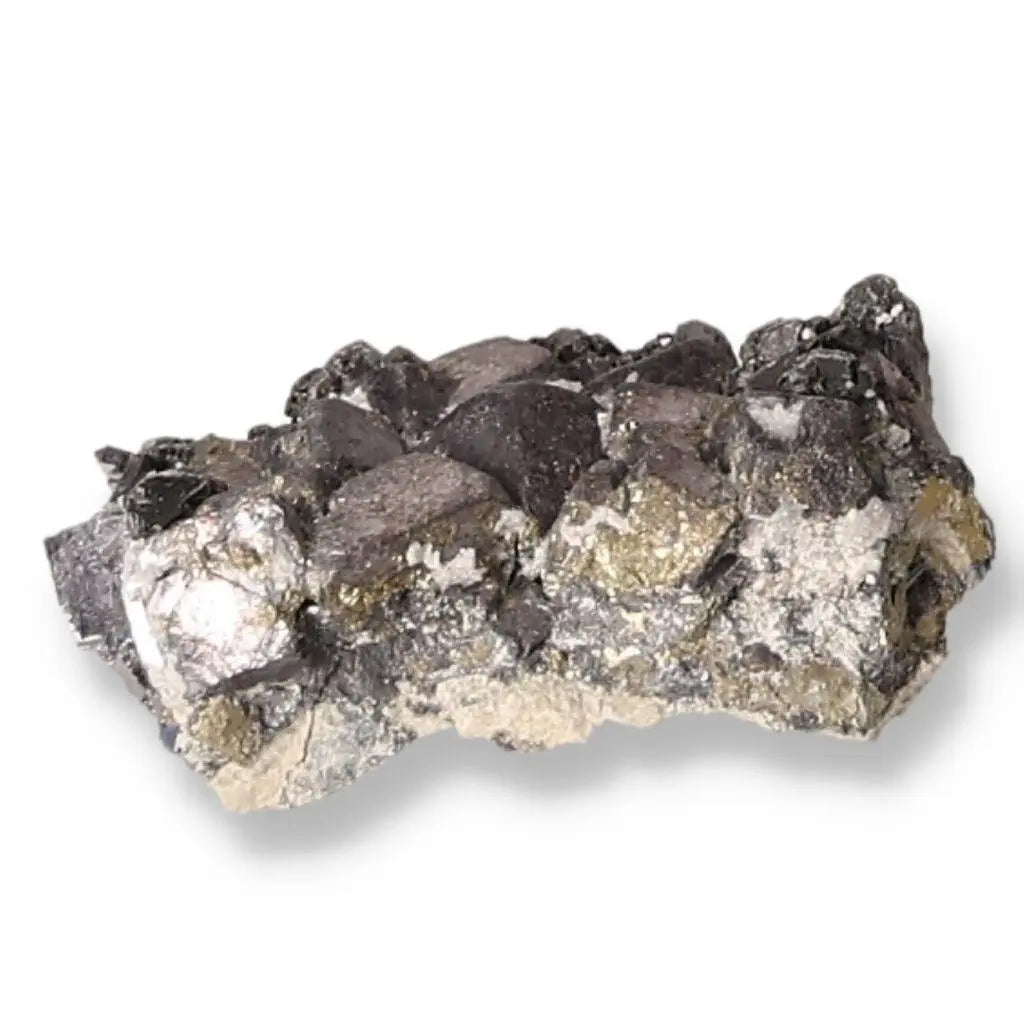
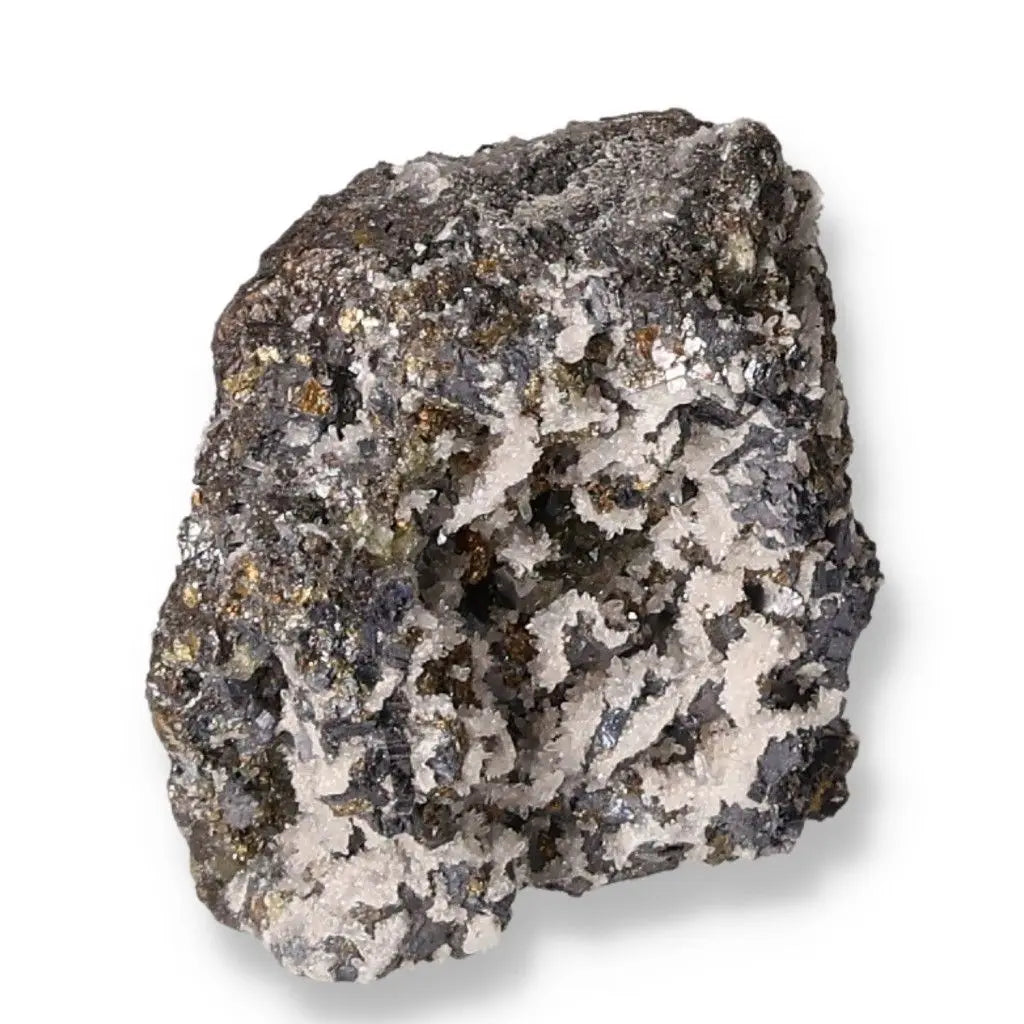
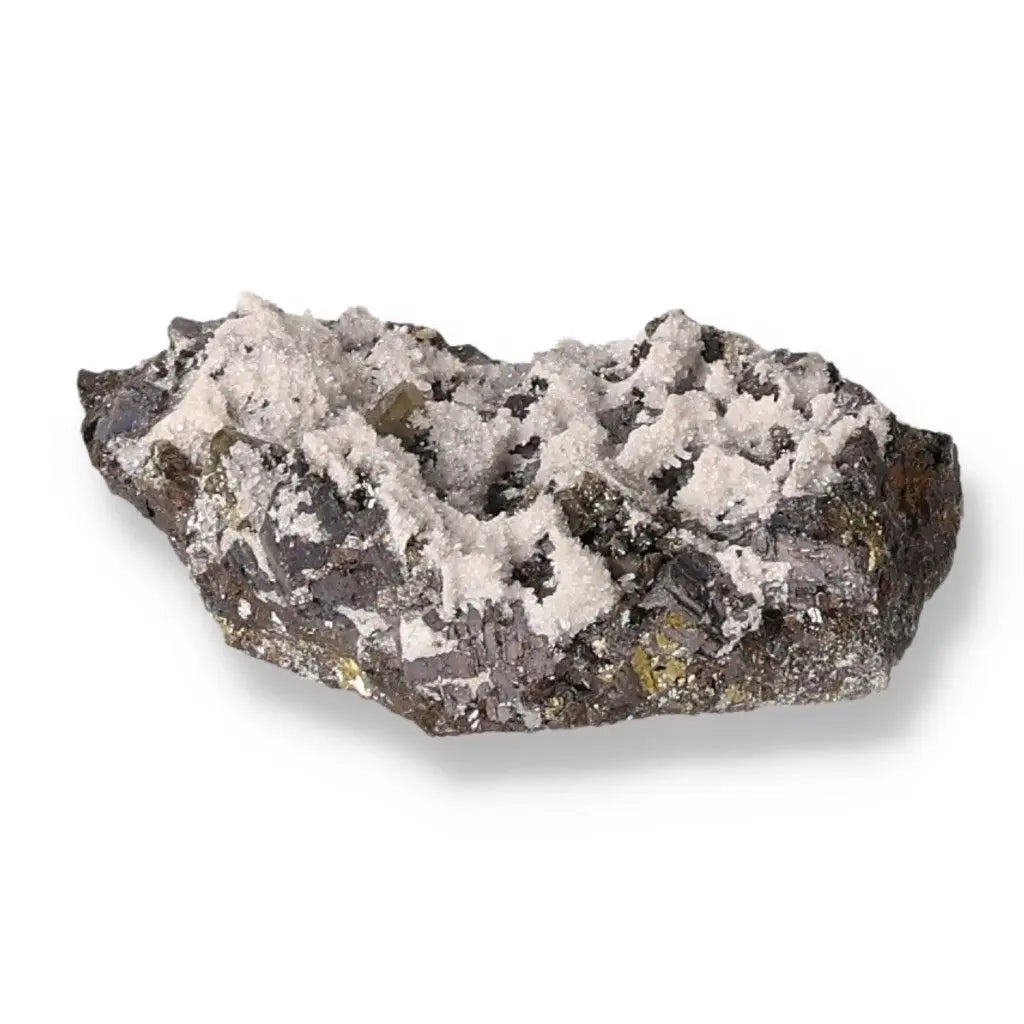
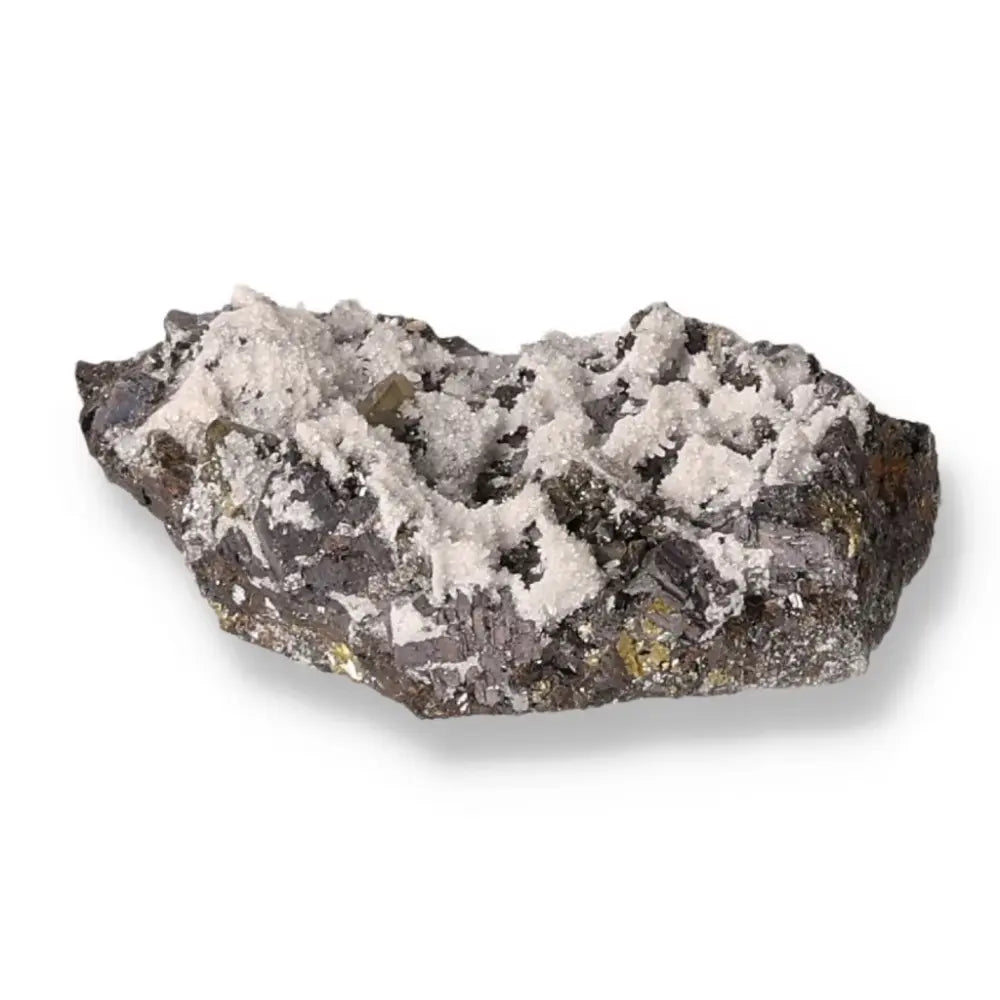
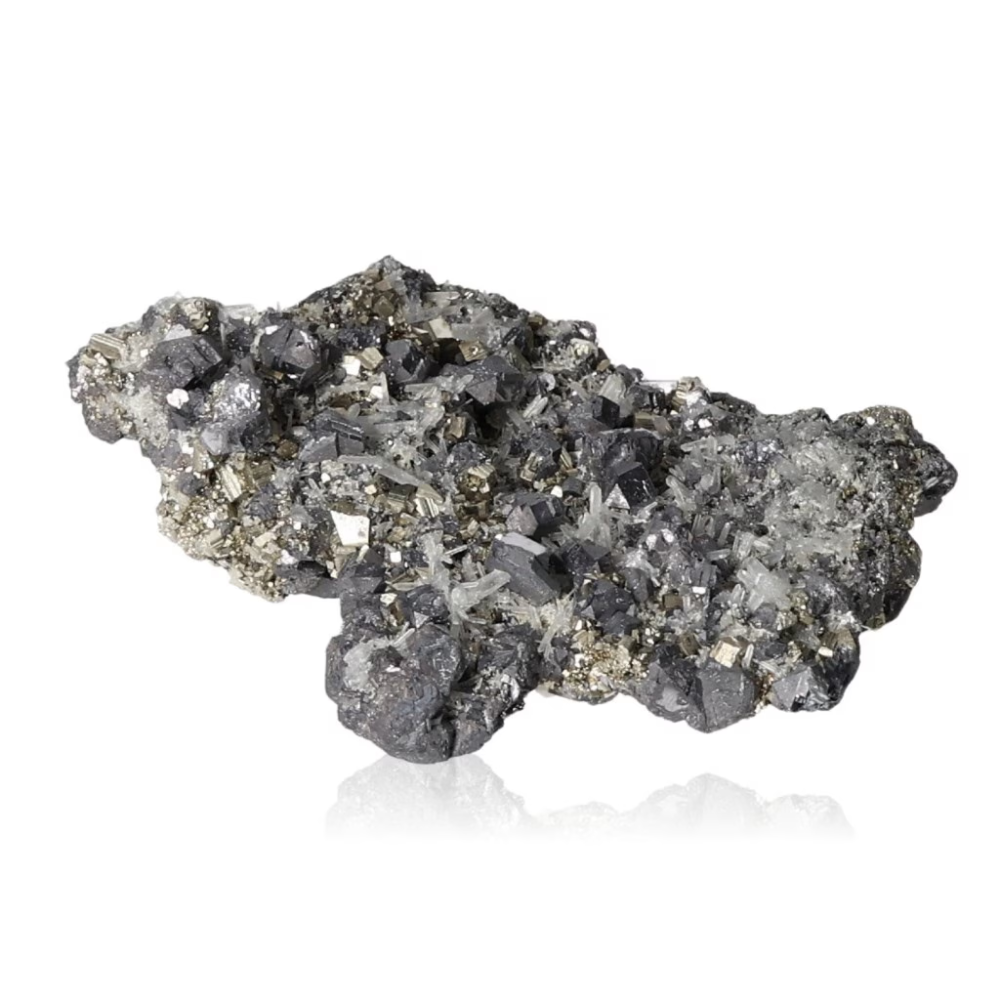
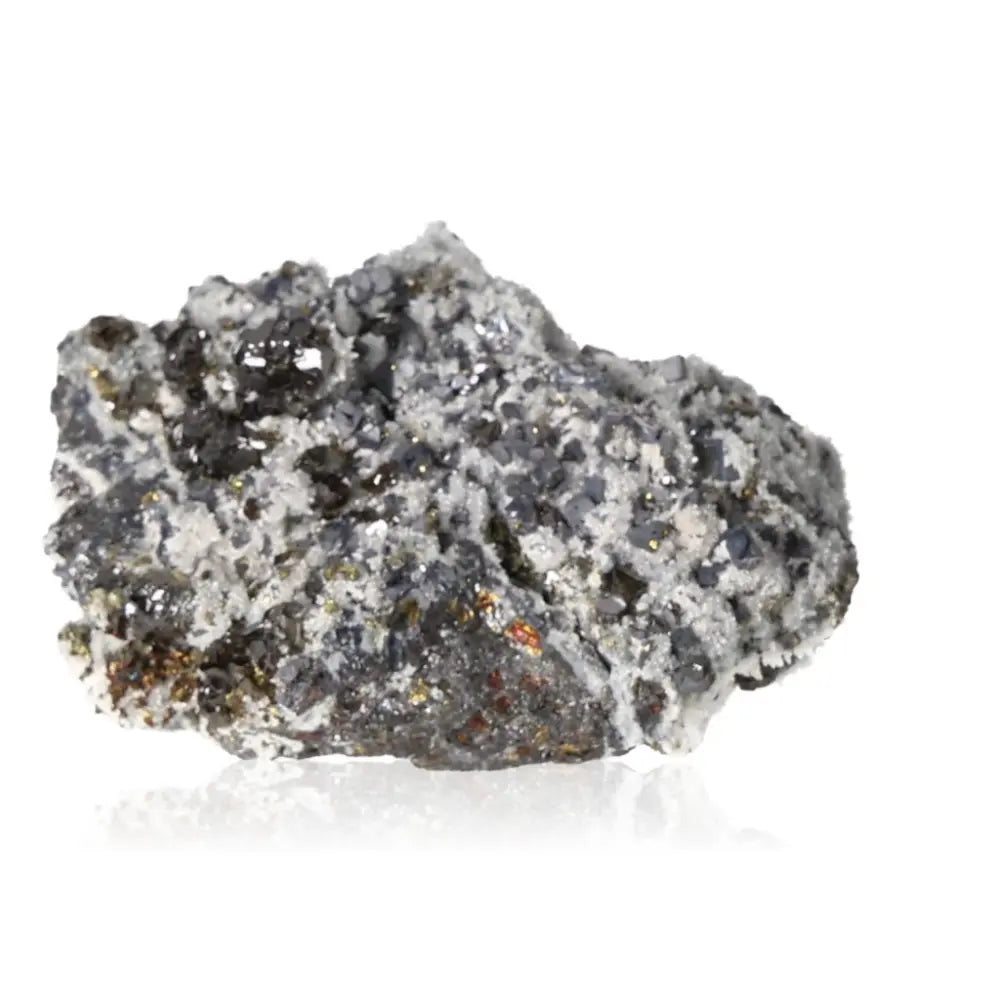
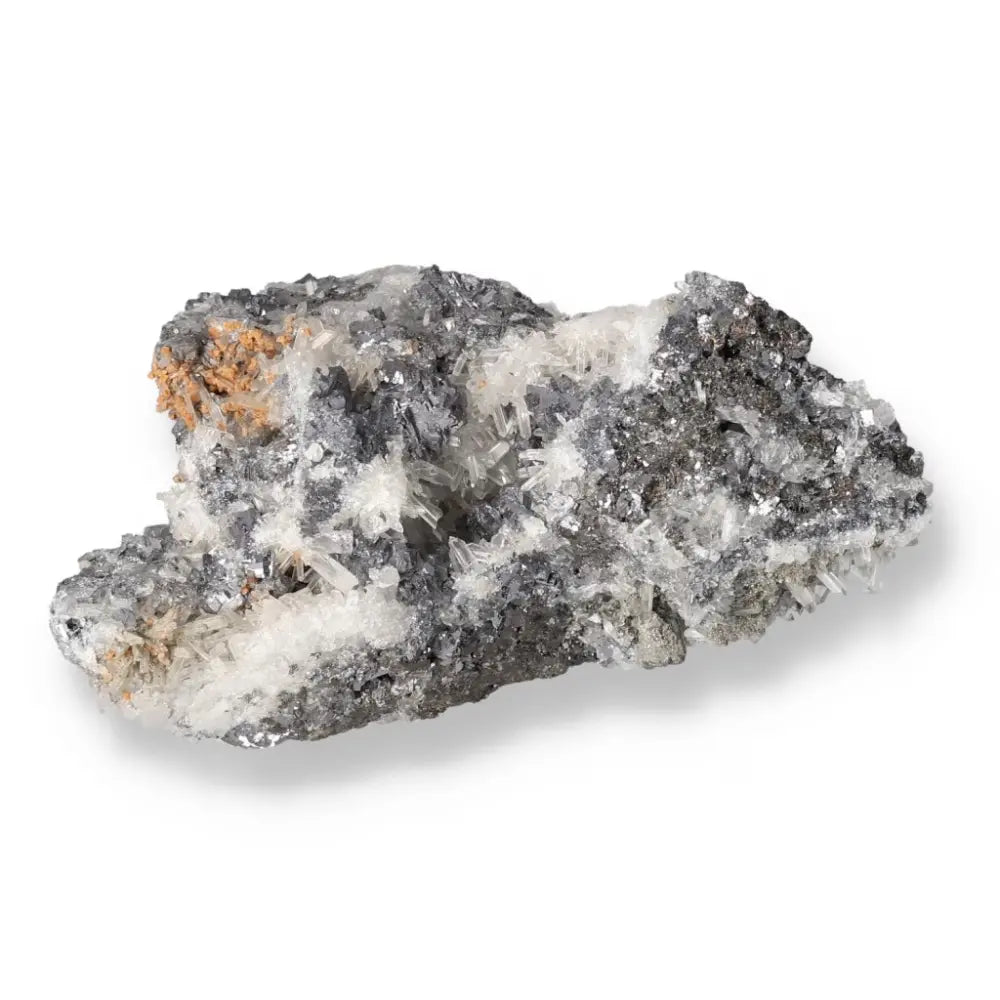
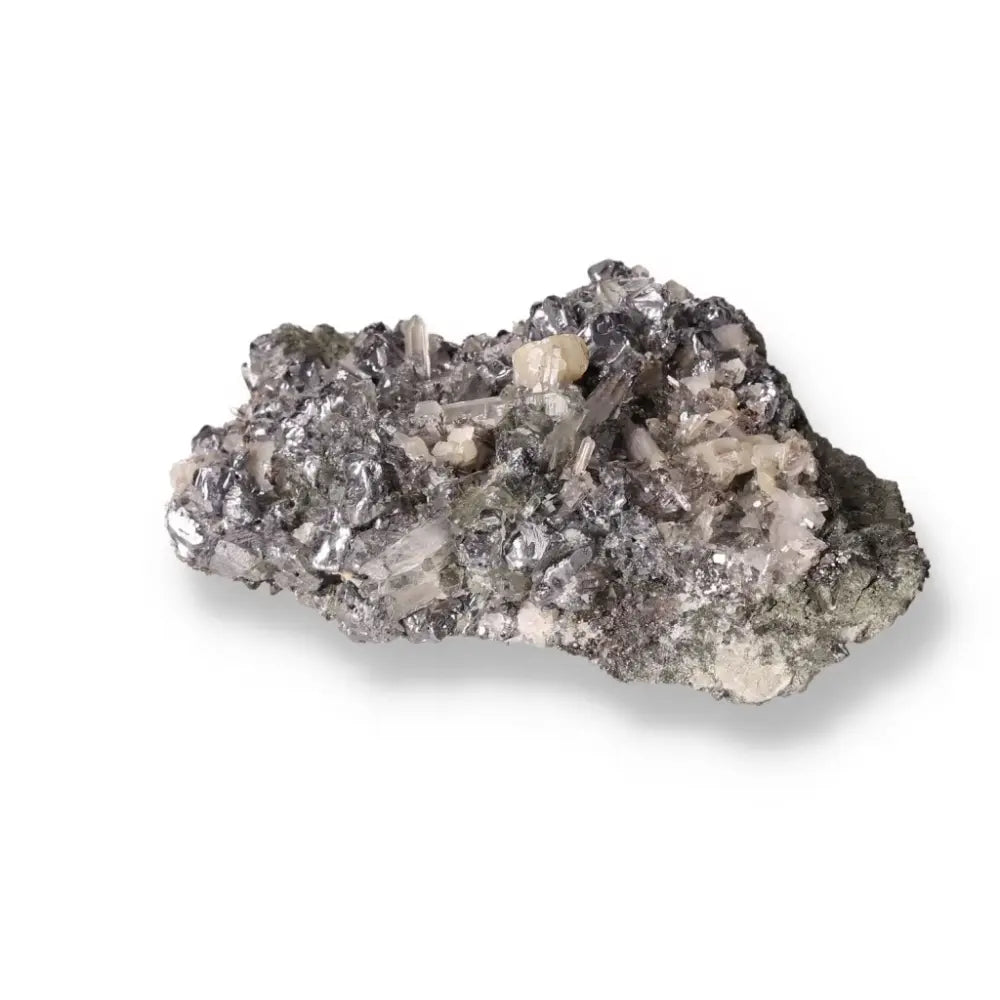
The finest galena specimens come from the United States (especially Missouri, Kansas, and Oklahoma — the famous "Tri-State Mining District"), Germany, England, Bulgaria, and Peru. Bulgaria and Peru are particularly known for producing spectacular cubic crystal clusters, often intergrown with other minerals like quartz, pyrite, or sphalerite. Each region produces galena with slightly different crystal formations and mineral combinations, making every specimen unique.