Onyx

Limestone variety

PICK YOUR FORM:

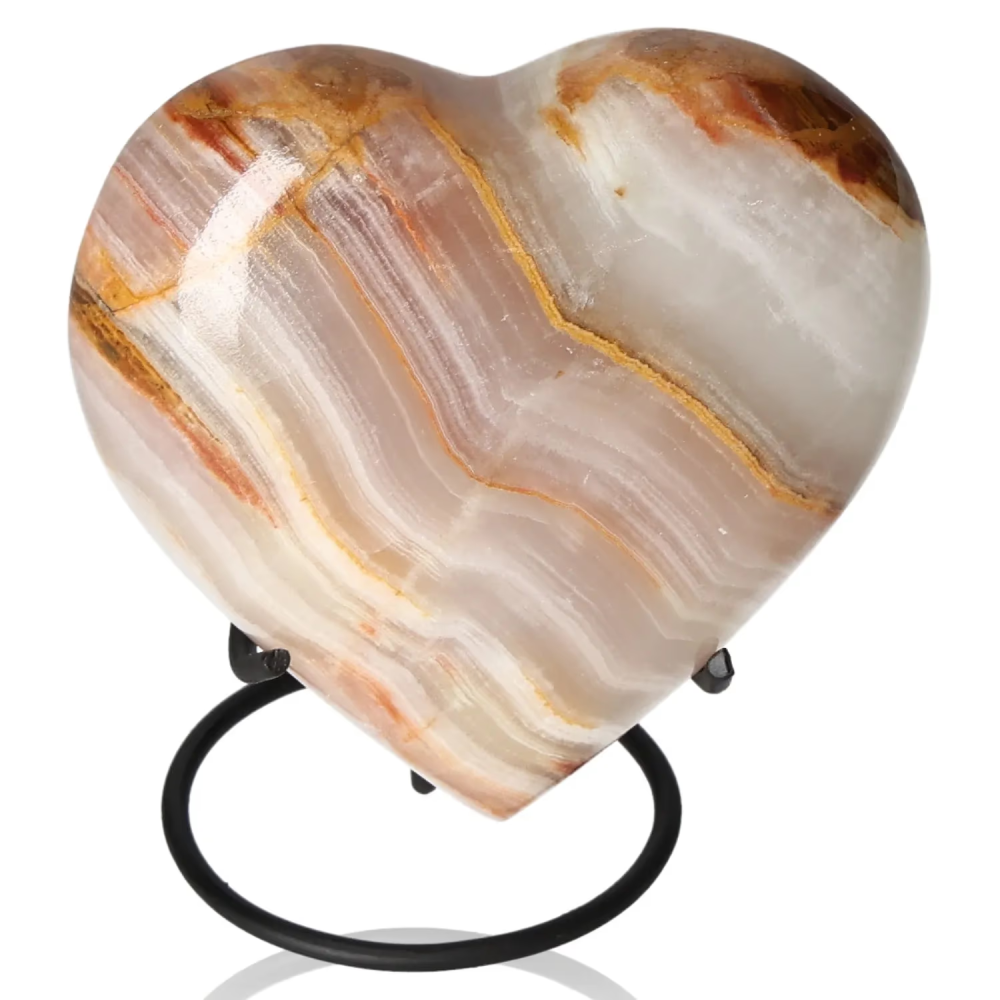
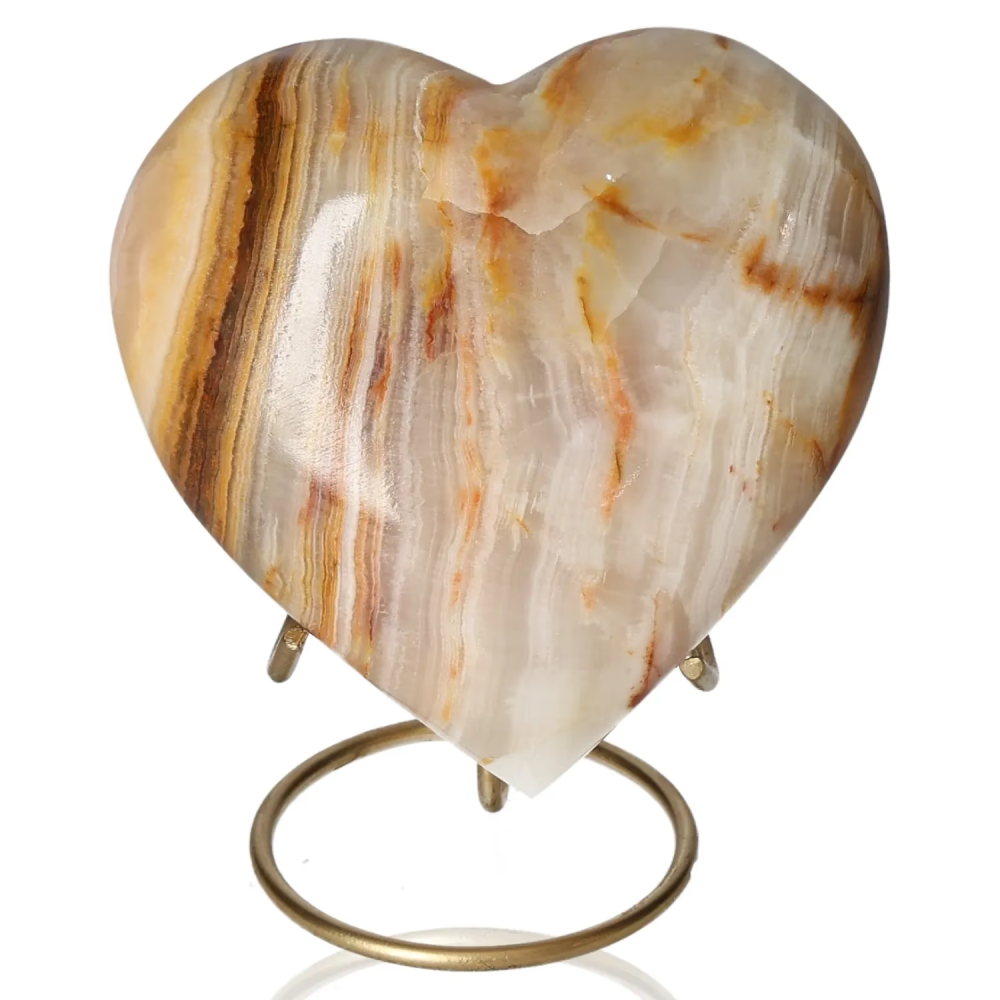
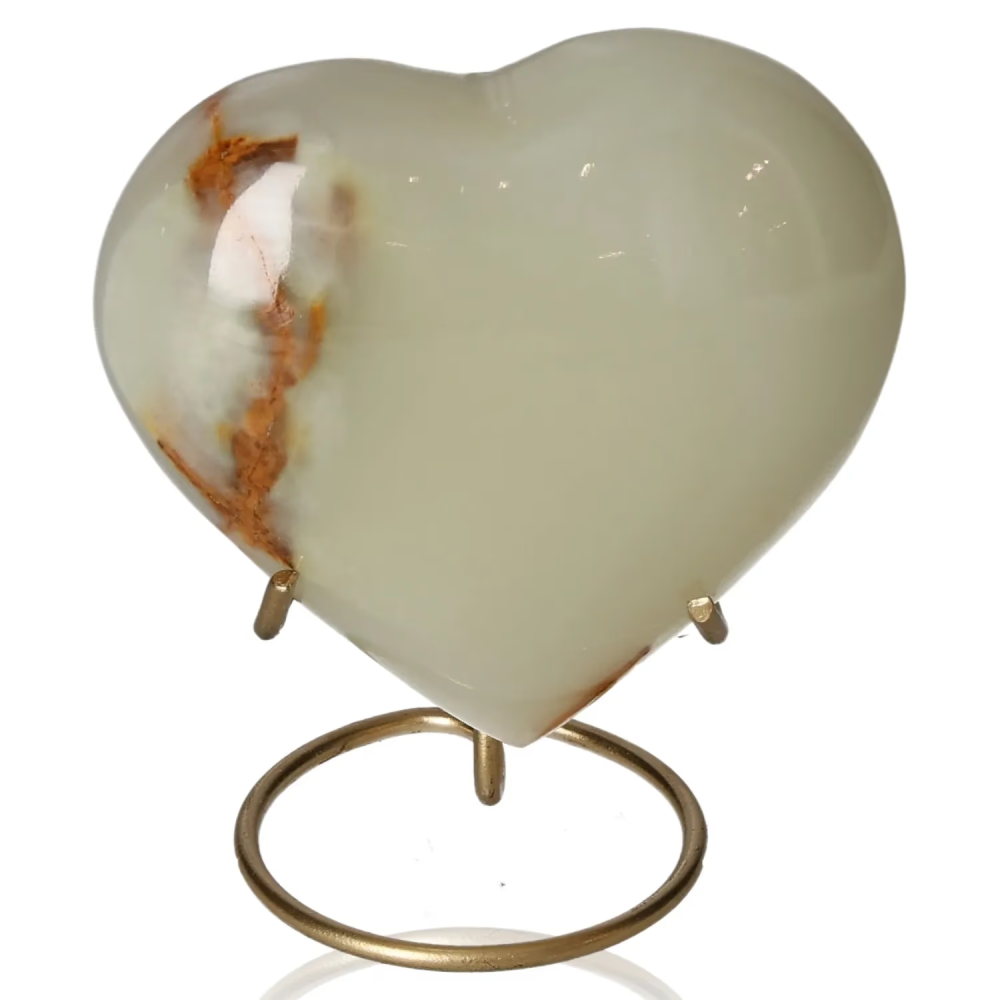
ONYX HEART

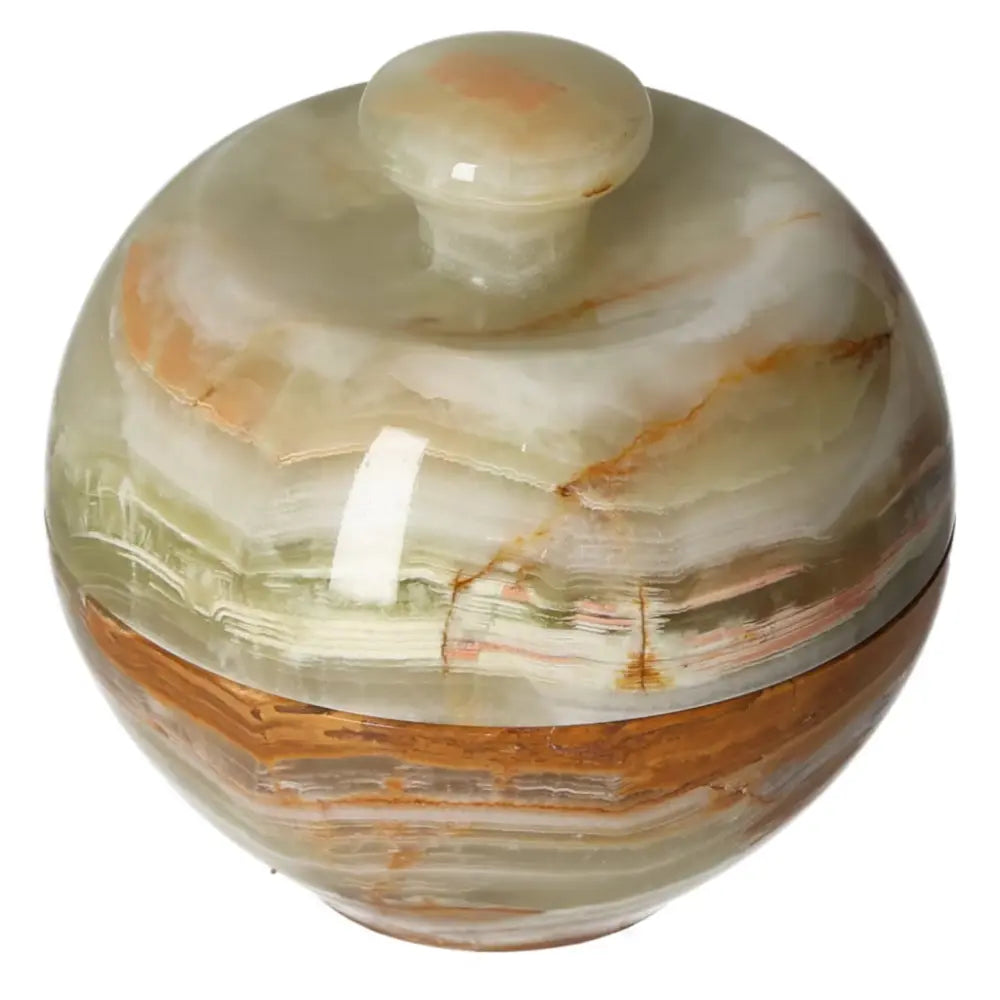
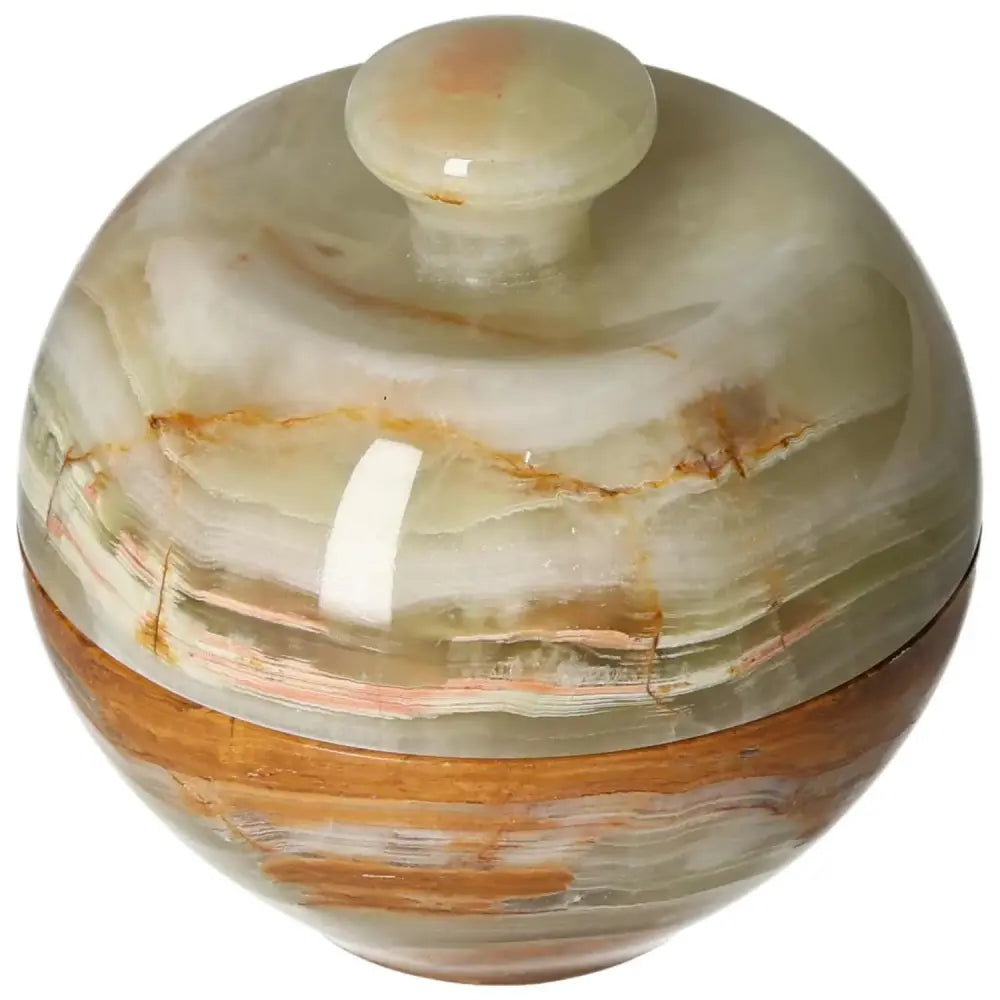
ONYX UTILITY

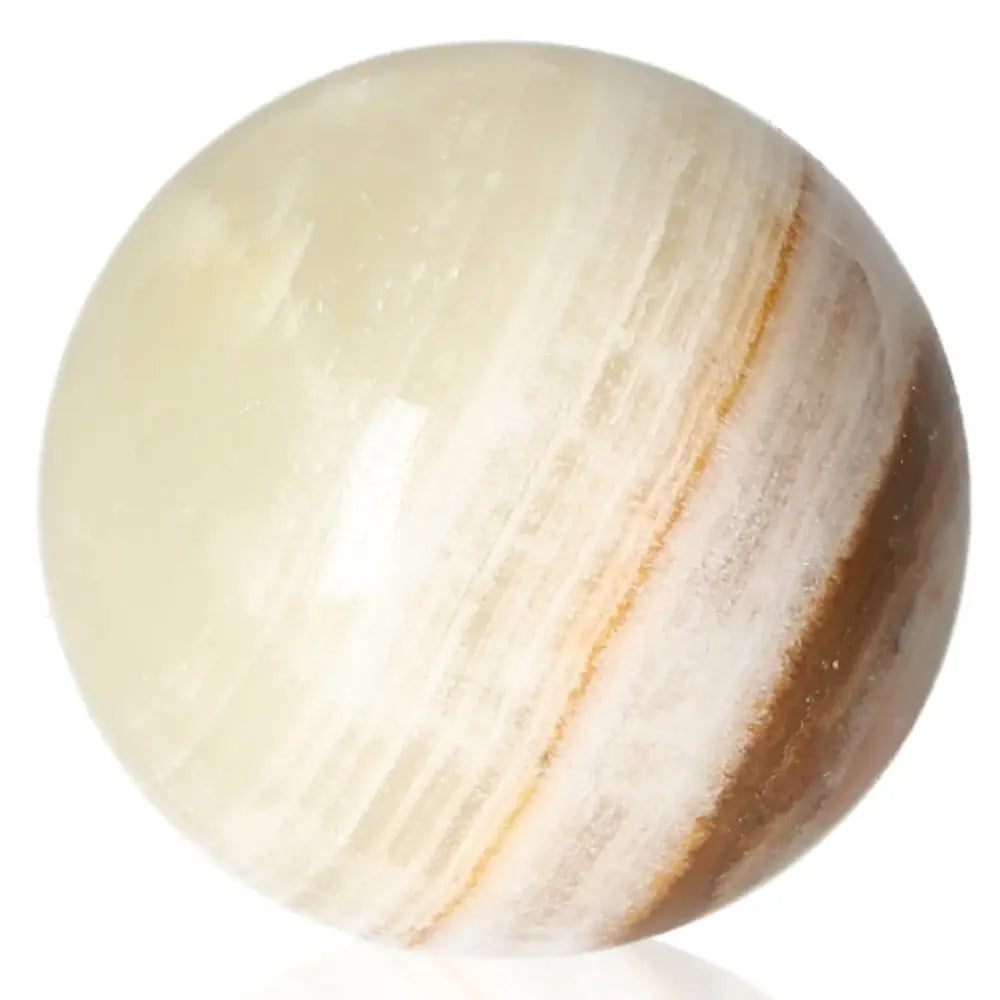
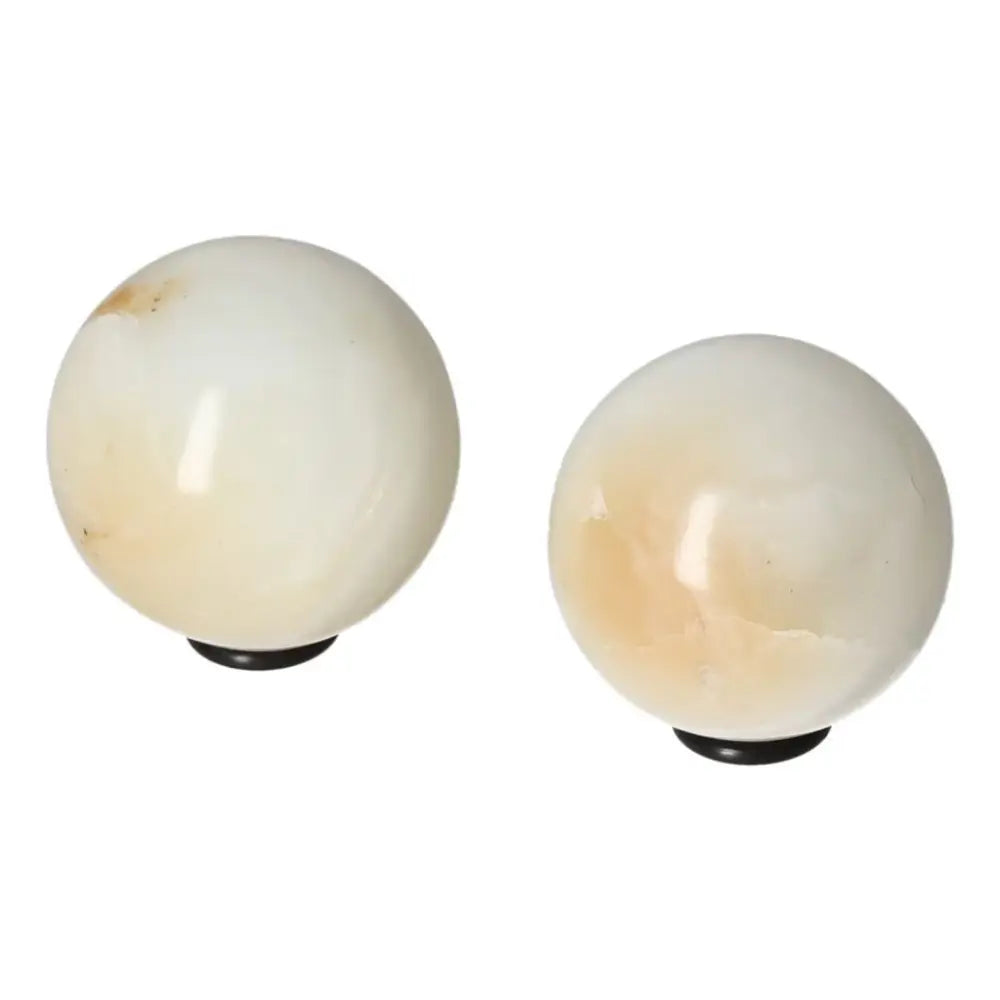
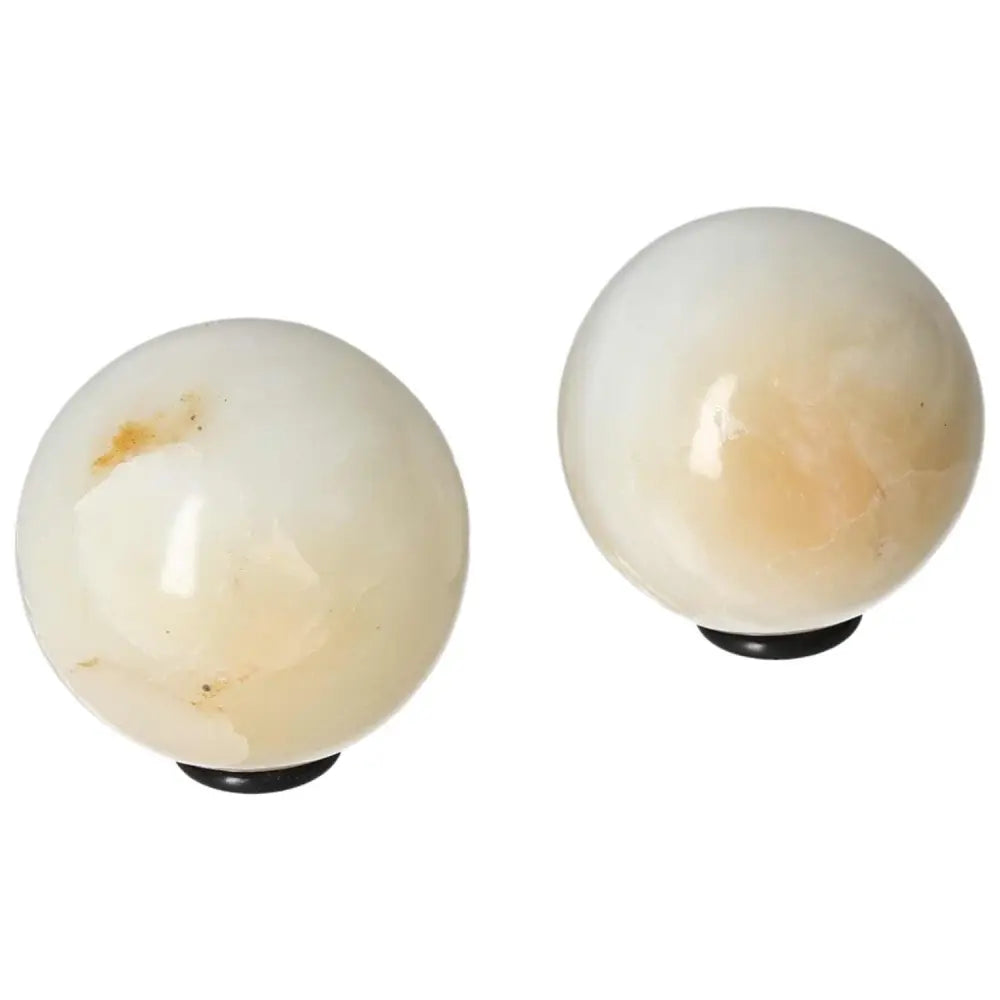
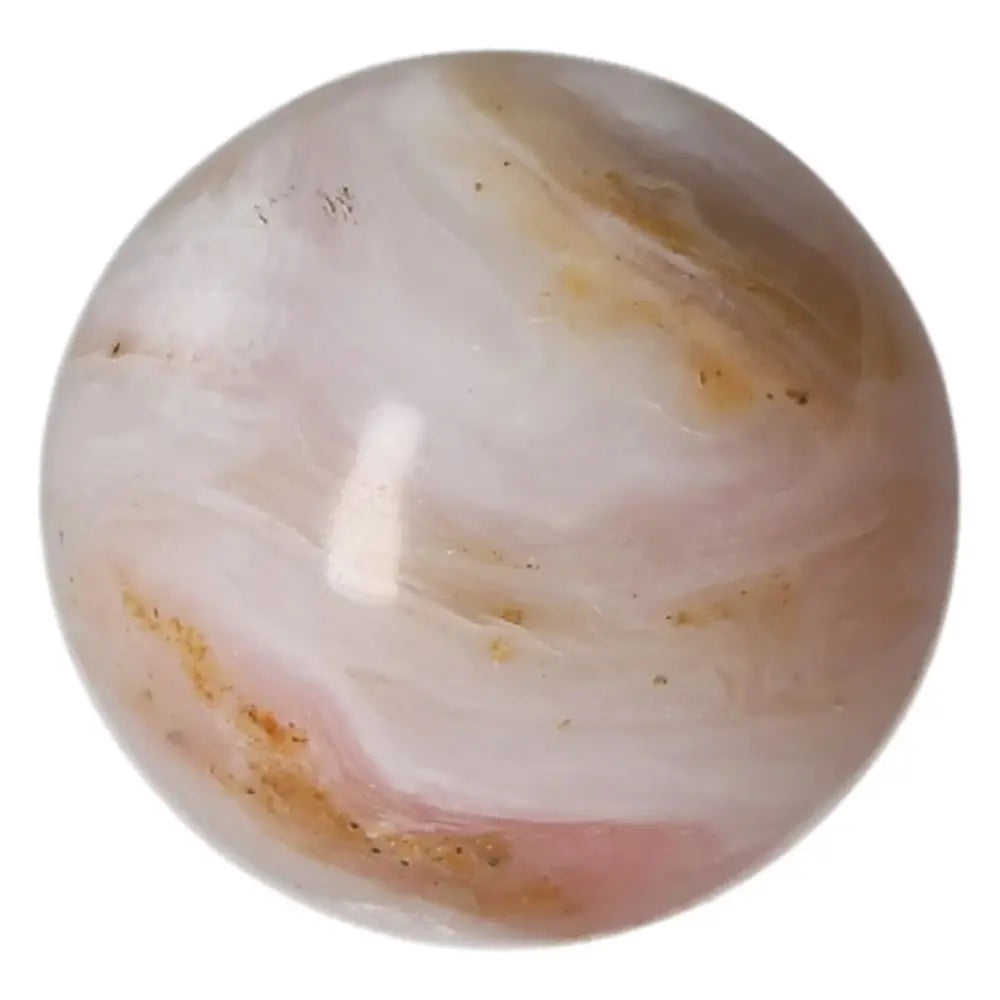
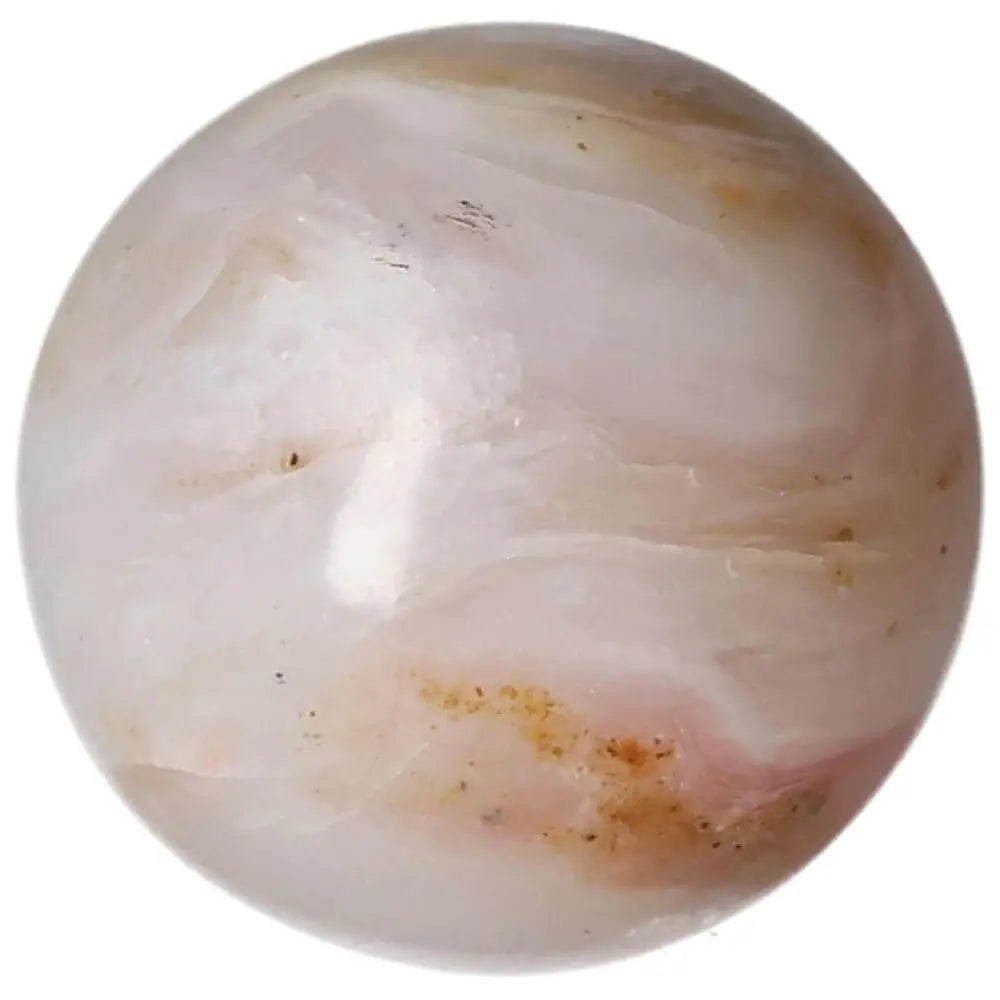
ONYX SPHERES

What are the properties and meaning of onyx?

What is onyx and what is it made of?

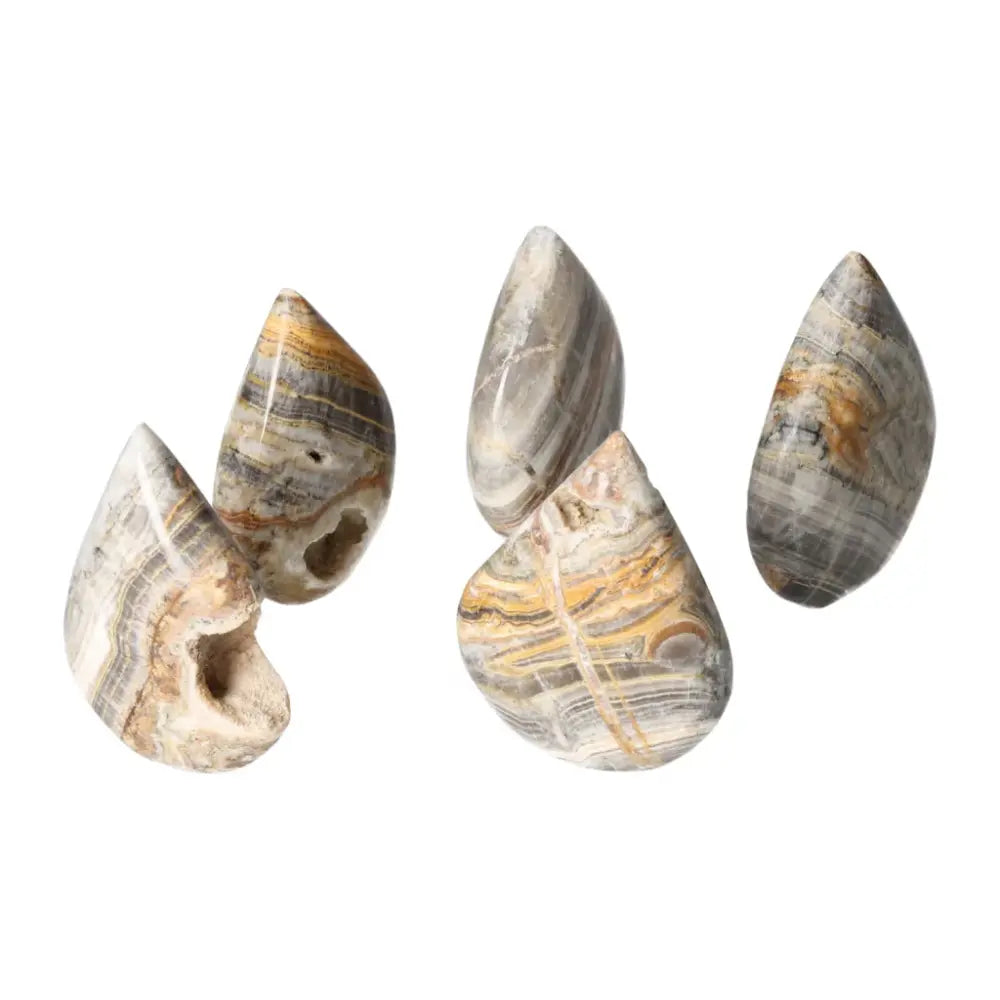
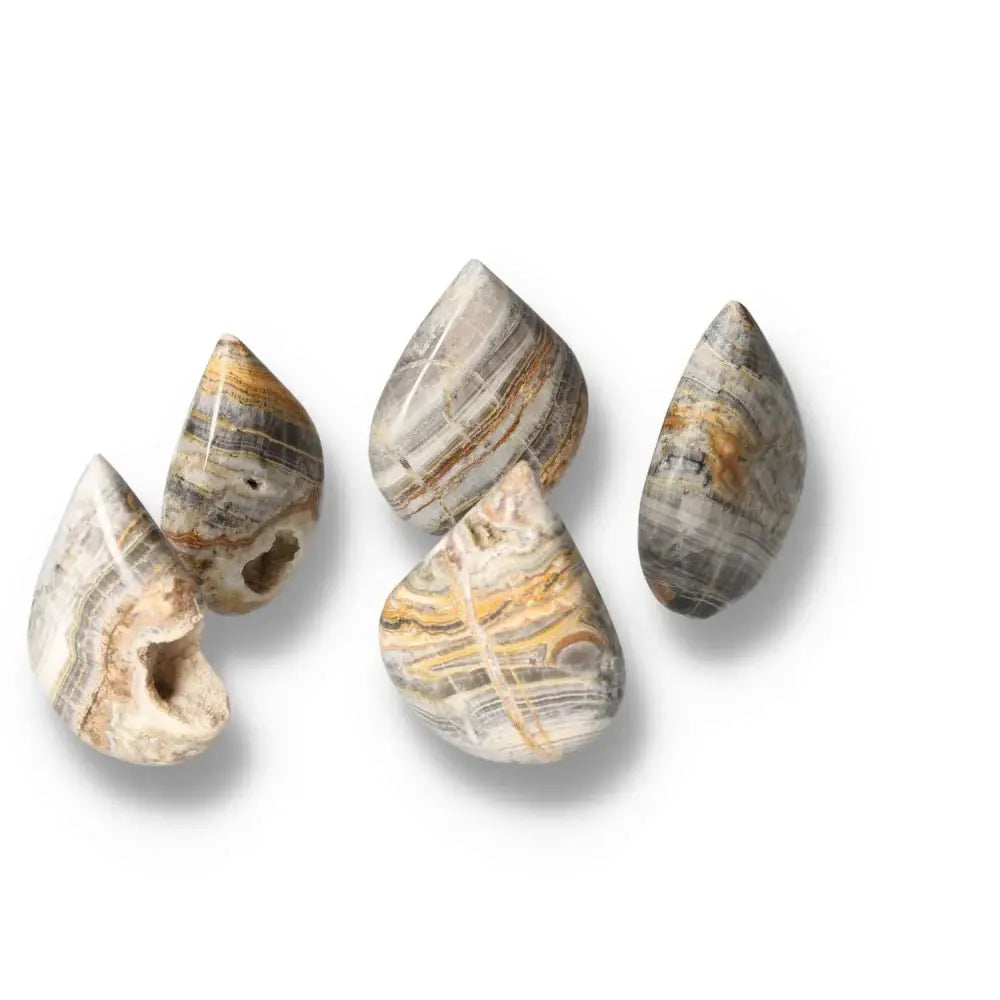
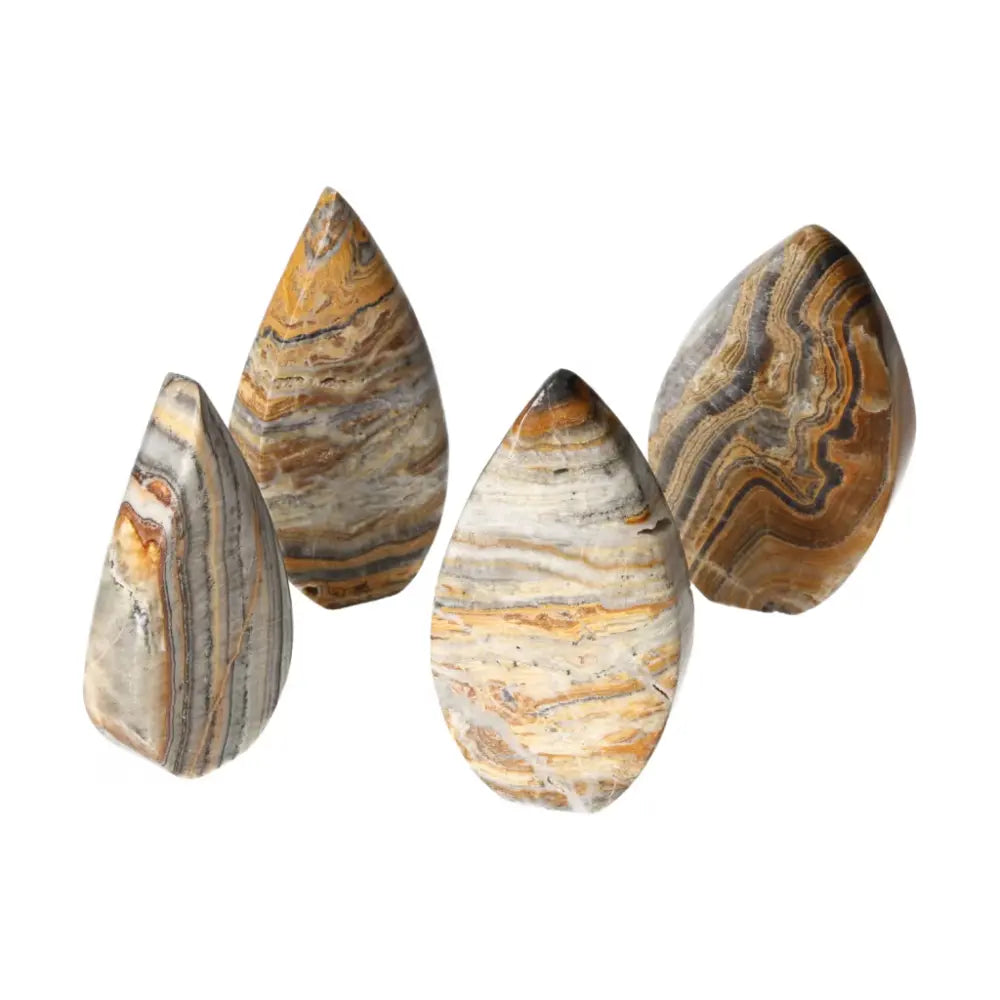
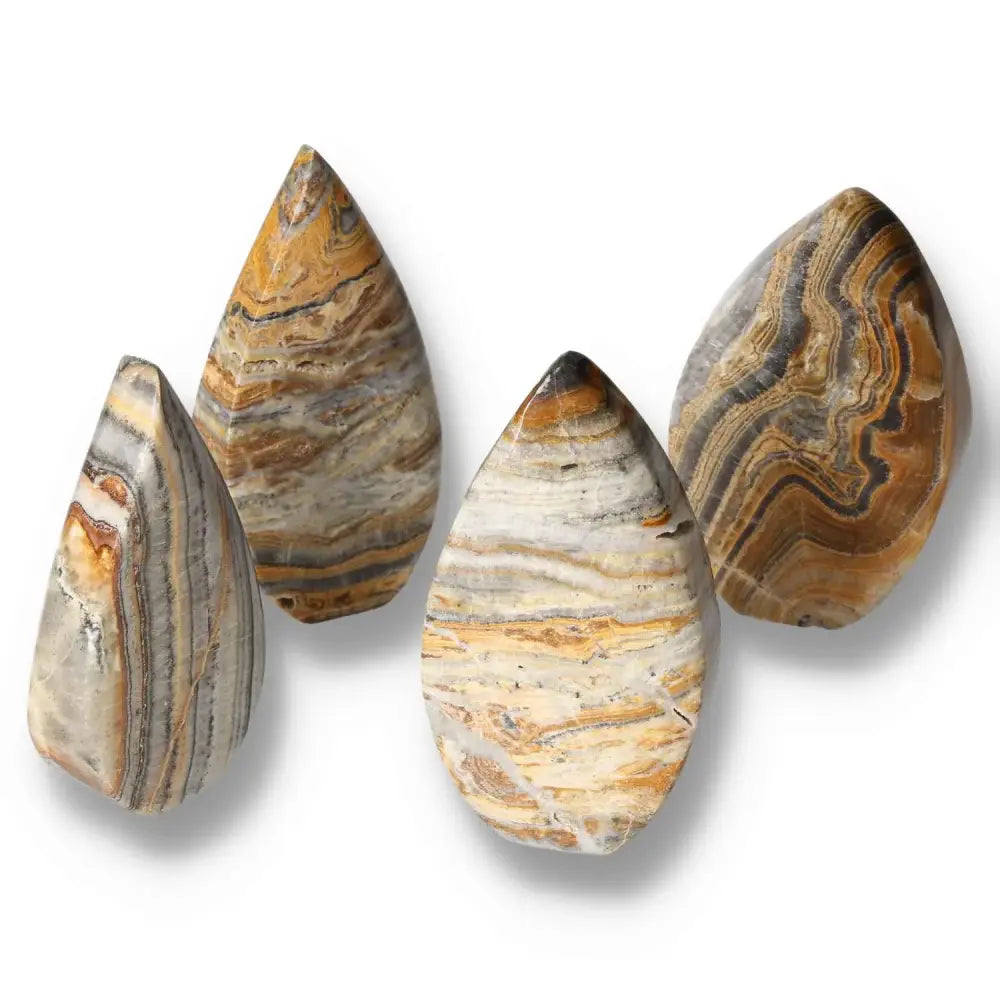
Onyx is a variety of chalcedony - a cryptocrystalline form of quartz (SiO₂), composed of microscopic, tightly interlocked crystals. It is characterized by parallel, straight bands in contrasting colors - most commonly black and white, though shades of brown, beige, and grey also occur. Its hardness of 7 on the Mohs scale makes onyx exceptionally durable and scratch-resistant. Onyx deposits are found in Brazil, Mexico, India, and the USA, among other locations.

What is the difference between onyx and agate?

Onyx and agate are twin varieties of chalcedony with identical chemical compositions. They differ only in the arrangement of their bands: in onyx the bands are straight and parallel, while in agate they are curved or concentric. Black onyx used in jewelry is often dyed, as naturally occurring onyx with an intensely black, uniform color is rare in nature.

Where does the tradition of stone eggs come from and why was onyx so popular in the 1970s?

Stone eggs are one of the oldest lapidary forms in the world - their history stretches back to ancient China and Egypt. The peak popularity of decorative onyx eggs came in the 1960s and 70s, when mass production from Mexican onyx (technically: onyx marble/limestone) made them accessible and fashionable elements of mid-century modern interior design. Today they are prized vintage objects with a distinct period character.

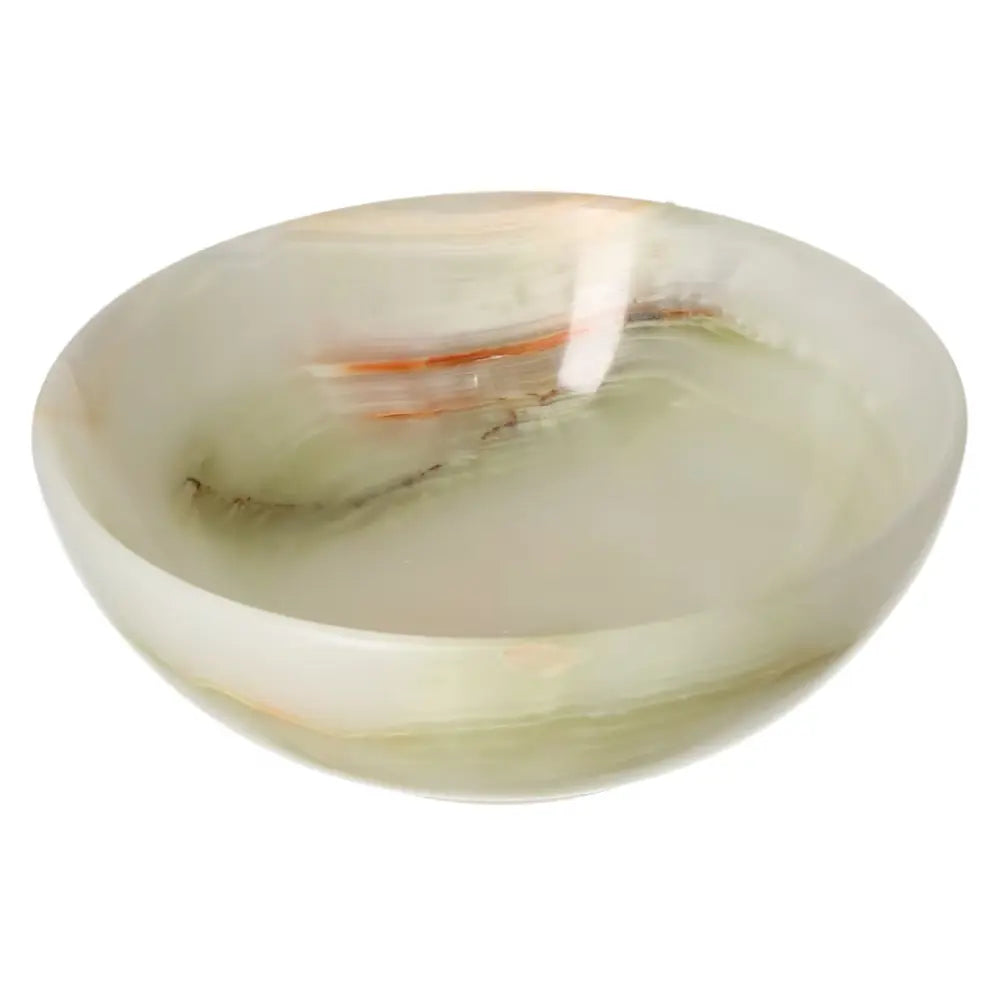
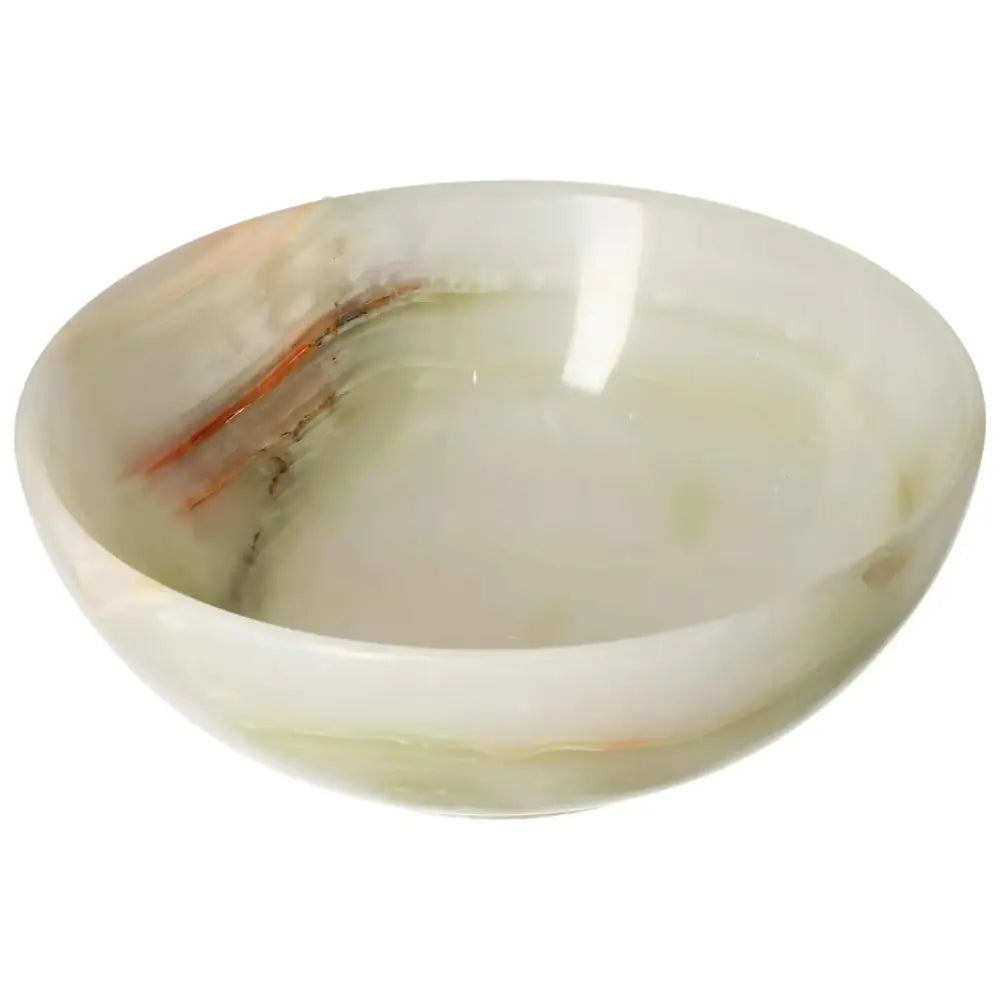
Are onyx bowls and trays functional or purely decorative?

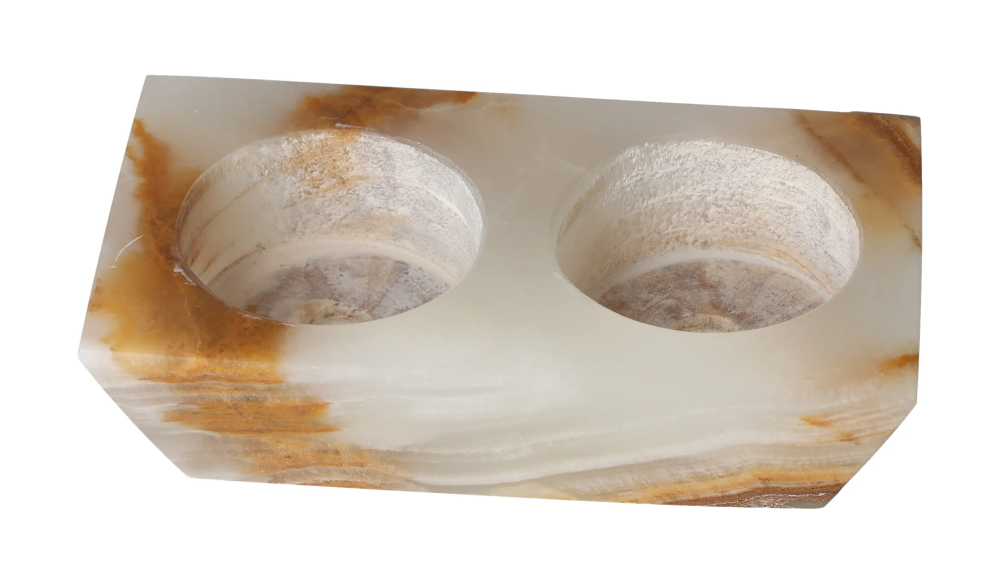
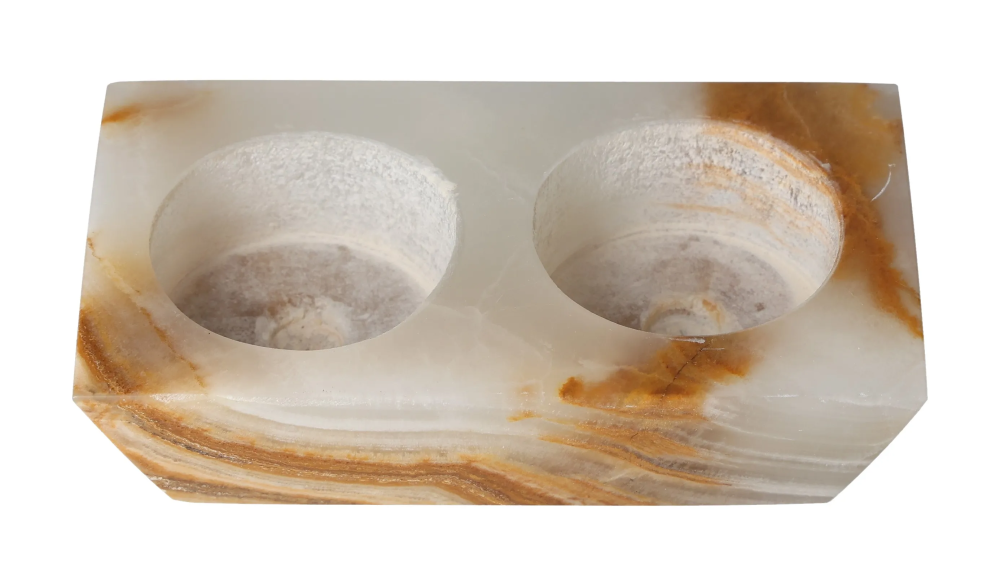
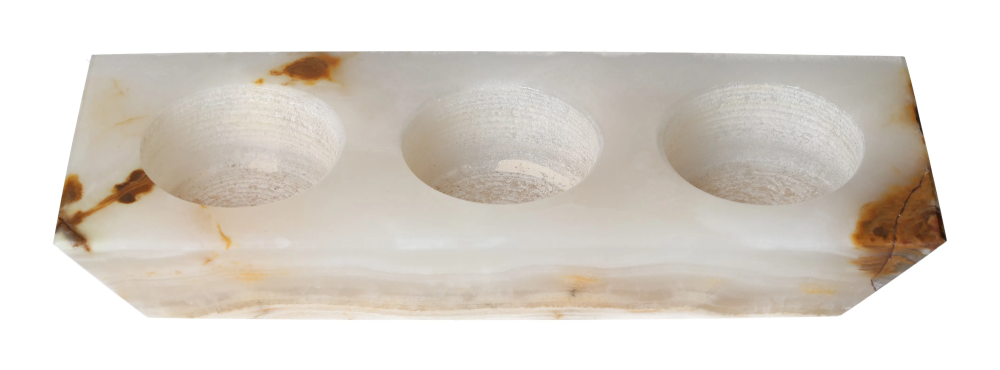
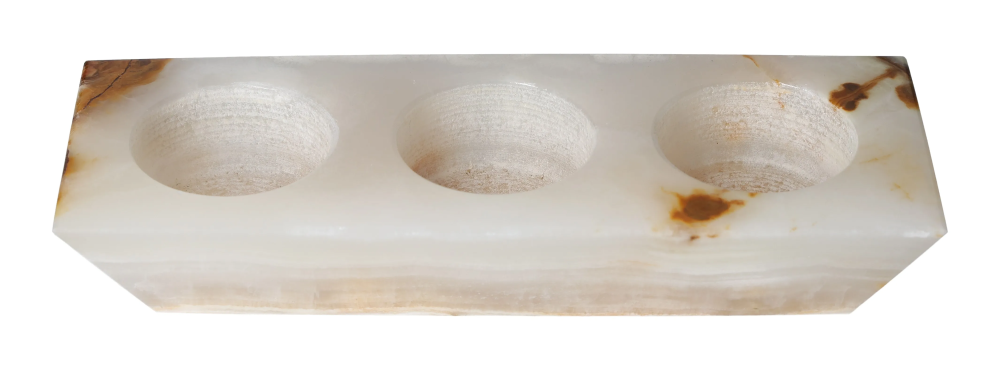
Onyx, with a hardness of 7, is durable enough to serve as a functional object - a jewelry dish, trinket tray, or stand. However, contact with acids (fruits, juices, vinegar) can dull the surface over time. Onyx bowls and trays are particularly striking when backlit from below - the translucent structure of the stone then transmits a warm, golden light.

How should an onyx bowl or tray be cleaned?

Simply wipe with a soft, slightly damp cloth and dry thoroughly. Avoid soaking in water, chemical agents, and abrasive sponges. If the surface loses its luster, it can be gently buffed with a soft microfiber cloth.